Ice hockey in Iran sits at the crossroads of climate, culture, and improvisation. The country has mountainous regions cold enough for winter sport, but organized ice hockey only emerged in the 2000s after the fall of the original rinks following the 1979 revolution. Interest is niche, centered in Tehran, with small but determined communities playing in limited facilities. Women’s hockey exists in a developmental form, growing quietly under tight structural constraints. Field hockey, by contrast, has a longer foothold in Iran and remains the more recognized version of the sport nationally.
Ice Hockey History and Development
Iran’s relationship with ice hockey effectively rebooted in the 21st century. Before 1979, a few ice rinks operated in major cities, usually linked to hotels or Western-style leisure centers, but they closed in the early post-revolution years. The modern revival began with roller hockey players transitioning onto ice as new rinks opened in upscale Tehran malls. Development drew heavily on Iranian-Canadian and Iranian-European diaspora players who returned to mentor local athletes or join national-team efforts. The Iranian Ice Hockey Federation formalized programs in the mid-2010s and accelerated international participation, positioning the sport as a curiosity-driven but ambitious project.
Domestic Ice Hockey Structure
Iran’s league structure is small but organized around club clusters in Tehran. Most ice hockey activity takes place inside shopping-mall rinks and multi-purpose skating facilities, with clubs functioning as training hubs rather than fully professional teams. The domestic calendar blends skill development, small-sided competitions, and joint camps with international coaches brought in from Europe or North America. Roller hockey remains a vital feeder system due to limited ice availability. Internal depth is thin, but the pipeline is clearer now than at any point in the past generation.
National Ice Hockey Teams
The Iranian men’s national team made headlines with its push into regional competitions and early IIHF Division IV events. Because the domestic talent pool is shallow, the team features a mix of locally trained skaters and diaspora players who provide competitive experience. International performance is modest, but Iran’s presence alone marks a milestone for West Asian ice hockey. Participation in IIHF-sanctioned events is intermittent due to logistics, travel constraints, and administrative challenges, but the federation maintains a consistent desire to build a sustainable national program.
Women’s Ice Hockey
Women’s ice hockey in Iran is in a quiet but persistent developmental stage. Female players train under sport-specific dress requirements and often share facilities with figure skaters and inline teams. Progress has been driven by determined local coaches and international mentorship from diaspora communities who amplify the program’s visibility. International competition is extremely limited, but domestic tournaments and skills camps allow for incremental growth. Women’s roller hockey remains more established, and many ice-hockey players emerge from that ecosystem.
Field Hockey Overview
Field hockey has a more substantial and stable history in Iran. The men’s national team has competed in various Asian-level tournaments, with the sport grounded in university teams, military clubs, and provincial programs. While not a major national pastime, field hockey enjoys clearer structure, a larger player base, and more frequent international participation than ice hockey. Women participate in smaller numbers, but the organizational framework is more established than on the ice.
Infrastructure and Participation
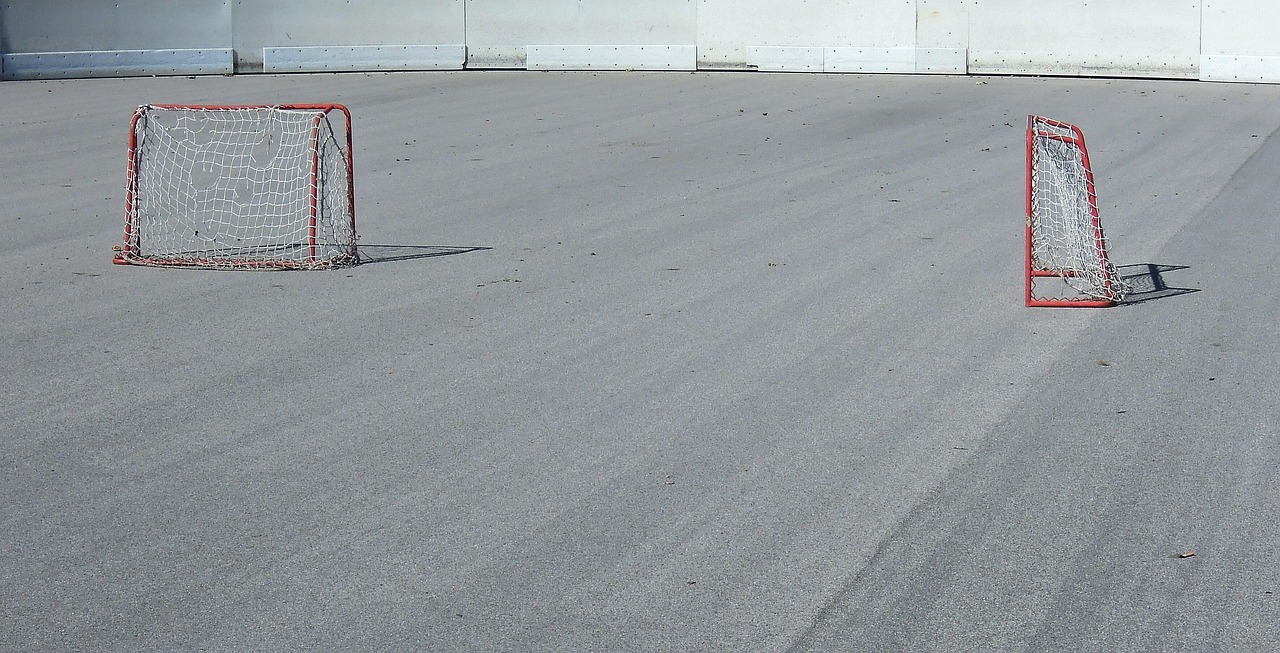
Iran’s hockey infrastructure is shaped by climate constraints and urban centralization. Outdoor natural ice is largely nonexistent for sporting purposes, meaning the sport depends entirely on artificial rinks in major cities, especially Tehran. Access remains limited by cost, geography, and scheduling, with many sessions occurring in early morning or late evening to accommodate multiple ice users. Roller hockey courts across the country continue to serve as the primary entry point for youth players, giving Iran a uniquely hybrid pipeline. Equipment imports are expensive, and players often rely on personal networks to acquire gear.
International Presence and Influence
Iran’s most influential hockey figures often come from the diaspora, particularly in Canada, Germany, and Scandinavia. These players and coaches bridge the gap between Iran’s learning curve and the global game, offering technical knowledge, sponsorship connections, and training models. International exposure through friendly tournaments and regional West Asian events helps Iran stay connected to the sport’s evolving landscape. Hosting events remains rare but aspirational.
Future Outlook
Iran’s ice hockey future hinges on sustained investment in rinks, continued diaspora engagement, and a deliberate focus on youth development. Growth will be steady but capped by structural constraints, yet the sport has a stronger foundation today than ever before. Field hockey will remain the more stable code, but ice hockey’s slow climb is unlikely to reverse as long as the federation maintains its current trajectory.
Interested in Sports in Iran?
American Football in Iran | Baseball in Iran | Basketball in Iran | Cricket in Iran | Football (Soccer) in Iran | Rugby in Iran