Hockey in Kenya is a strange, charming hybrid built almost entirely on passion rather than climate. Ice hockey exists as a niche sport fueled by a small community in Nairobi, sustained by a single indoor rink and periodic visibility from international media. Women’s ice hockey is still embryonic, mostly informal and tied to the same small community that supports the men’s side. Field hockey, however, has a long legacy in the country — deeply rooted in East African sporting culture, shaped by British colonial influence, and carried for decades by school competitions, army teams, and storied clubs. Kenya is one of the few countries on earth where field hockey has real depth while ice hockey survives on the determination of committed hobbyists.
Ice Hockey History and Development
Ice hockey’s origins in Kenya trace back to the opening of the Solar Ice Rink in Nairobi, once the largest rink in East and Central Africa. The sport grew slowly at first, mostly around expats and adventurous locals looking for something unusual to try. Momentum shifted when the Kenya Ice Lions began to form a recognizable team identity, catching global attention when the NHL invited them to Canada for a high-profile exhibition skate. Because Kenya lacks natural ice, all development has depended on this single rink, plus spontaneous community organizing. The sport’s growth has been nonlinear — bursts of local enthusiasm followed by long periods limited by the cost of ice time, equipment, and the absence of a formal federation structure.
Domestic Ice Hockey Structure
Kenya does not have a professional league or multi-tier system; instead, the structure revolves around the Nairobi rink, where mixed training sessions, scrimmages, and occasional tournaments function as the entire domestic ecosystem. The Ice Lions operate as both a recognizable club and a de facto national representative side. Most players start late — often in their 20s — and rely heavily on donated gear. Youth development remains minimal due to the cost of participation and the limited number of training hours available. Internal expansion depends entirely on the reliability of the single rink and the ability to periodically engage sponsors or global hockey supporters.
National Ice Hockey Teams
Kenya is not yet a member of the IIHF and therefore does not compete in World Championship divisions. The Ice Lions have taken on some of the symbolic roles of a national team — representing the country in friendlies, clinics, and international exhibitions. Players often learn the game through YouTube clips, visits from foreign coaches, or informal scrimmages with visiting expats. Diaspora involvement is small; Kenya’s hockey base is primarily domestic. Until formal federation recognition or IIHF membership occurs, Kenya will remain outside the global competitive structure, though international visibility has slowly increased.
Women’s Ice Hockey
Women’s ice hockey in Kenya exists in the earliest stages of formation, with a handful of players participating in mixed practices at the Nairobi rink. There are no women-specific leagues or national competitions. Growth potential is tied directly to rink availability, equipment access, and support from broader international development programs. Despite the tiny numbers, there is genuine interest, especially among younger athletes who see the sport as a novelty and a way to connect with global culture. Any future women’s team would almost certainly grow out of mixed training groups already active in Nairobi.
Field Hockey Overview
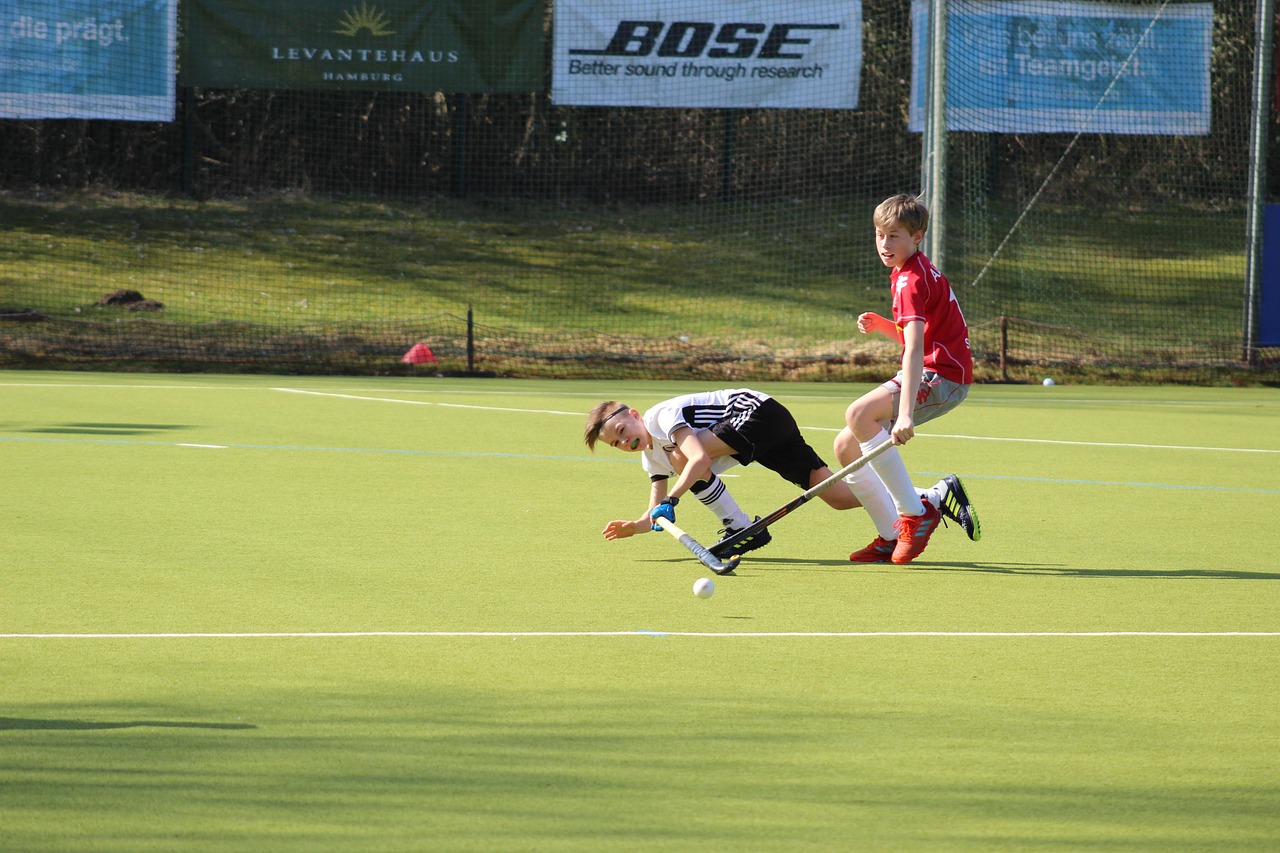
Field hockey is where Kenya carries real history and competitive legacy. The sport thrived in the mid-20th century under British colonial influence and became a major inter-school and inter-club sport. Kenya’s men’s national team qualified for multiple Olympic Games from the 1950s through the 1970s and consistently competed with strong Asian and European sides. Clubs such as Sikh Union Nairobi, Kenya Police, and Western Jaguars remain central to the domestic structure, with national competitions that draw serious athletes from across the country. The women’s program is smaller but competitive within continental events. Compared to ice hockey, field hockey has deep roots, strong institutions, and long-standing community engagement.
Infrastructure and Participation
Kenya’s ice infrastructure is limited to a single functional rink in Nairobi, which defines the entire development capacity of the sport. Equipment costs are high, and cold-chain maintenance makes ice time expensive. Training sessions often rely on odd hours or donated slots. Participation is urban, small-scale, and heavily dependent on volunteers. Field hockey, by contrast, benefits from school systems, university teams, and club facilities across Nairobi, Kisumu, and Mombasa. Grass fields make participation far more accessible, and coaching networks have existed for decades. The contrasting infrastructures reflect each sport’s status: ice hockey as a niche import, field hockey as a long-standing domestic discipline.
International Presence and Influence
Kenya’s ice hockey presence internationally is symbolic rather than competitive — built on viral media moments, goodwill tours, and global curiosity about the Ice Lions. Occasional training exchanges with Canada and Europe help keep the sport connected to the broader hockey world. Field hockey has a much stronger international footprint: Kenyan teams have played in Olympic Games, African Championships, and Commonwealth events. Kenya exports a small number of field hockey players to European leagues and often hosts regional tournaments. Ice hockey will need IIHF membership and broader development to reach similar visibility.
Future Outlook
Ice hockey in Kenya will rise or fall based on the survival and expansion of the Nairobi rink and the ability to secure equipment supply chains. Without new infrastructure, the sport will remain a niche but lively community. Field hockey will continue to be the country’s dominant hockey format, benefitting from established institutions and a broad talent base. If investment aligns, Kenya could eventually become a unique dual-hockey nation, with field hockey as the anchor and ice hockey as a globally visible underdog story.


Interested in Sports in Kenya?
American Football in Kenya | Baseball in Kenya | Basketball in Kenya | Cricket in Kenya | Football (Soccer) in Kenya | Rugby in Kenya