Ice hockey in Nigeria sits at the intersection of climate improbability and diaspora possibility. The country has no natural ice, no long-standing rink culture, and until recently no recognized domestic league. Yet the idea of hockey has entered Nigeria through its global diaspora, particularly in Canada, the United States, and the United Kingdom. Women’s ice hockey is even less developed, existing mainly in the imagination of future participants rather than in formal structures. Field hockey, by contrast, has real historical presence, tied to school sports, Commonwealth-era athletic programs, and a small but steady tradition of national teams.
Ice Hockey History and Development
Nigeria’s entry into the world of ice hockey began not with local ice but with Nigerians abroad. Second-generation and dual-heritage athletes in North America and the UK formed informal networks during the 2010s, eventually coalescing into efforts to create a Nigerian national ice hockey team. The earliest attempts at organization involved players who grew up in Canadian or American systems but sought to connect to Nigerian identity through sport. Domestically, without a permanent rink or equipment pipeline, early “development” was focused on administrative groundwork, recognition by international bodies, and locating financial partners capable of supporting long-term infrastructure.
Domestic Ice Hockey Structure
Within Nigeria’s borders, organized ice hockey is extremely limited. As of now, the country has no full-sized year-round rink and no conventional league pyramid. Hockey-specific gatherings tend to occur in short-term synthetic-ice exhibitions, corporate-sponsored demonstrations, or programs run through diaspora-led initiatives when athletes visit the country. Lagos and Abuja — the commercial and administrative hubs — are the most likely candidates for future rink development because of their infrastructure and cooling capacity. For now, Nigeria’s domestic framework is embryonic, functioning more as a planning environment than a competitive system.
National Ice Hockey Teams
Despite the lack of domestic infrastructure, Nigeria has pursued the idea of a national ice hockey team primarily through its diaspora in Canada and the United States. These players, most of whom are products of North American junior or collegiate systems, participated in international friendship tournaments and development-level events during the late 2010s and early 2020s. Nigeria is not yet an IIHF member, meaning it cannot compete in World Championships or Olympic qualifiers. The long-term vision — should the country secure facilities and membership — is to field a roster anchored by diaspora talent while building pathways for domestic athletes once rinks exist.
Women’s Ice Hockey
Women’s ice hockey in Nigeria remains conceptual rather than established. There are no recorded domestic women’s teams, no formal league structures, and no national program. Interest exists mostly among diaspora athletes and families abroad who view the sport as a potential future avenue of representation. If Nigeria builds a foundational rink ecosystem, women’s hockey will likely grow in parallel with the men’s side, but at present it is described more as a long-term aspiration than an active movement.
Field Hockey Overview
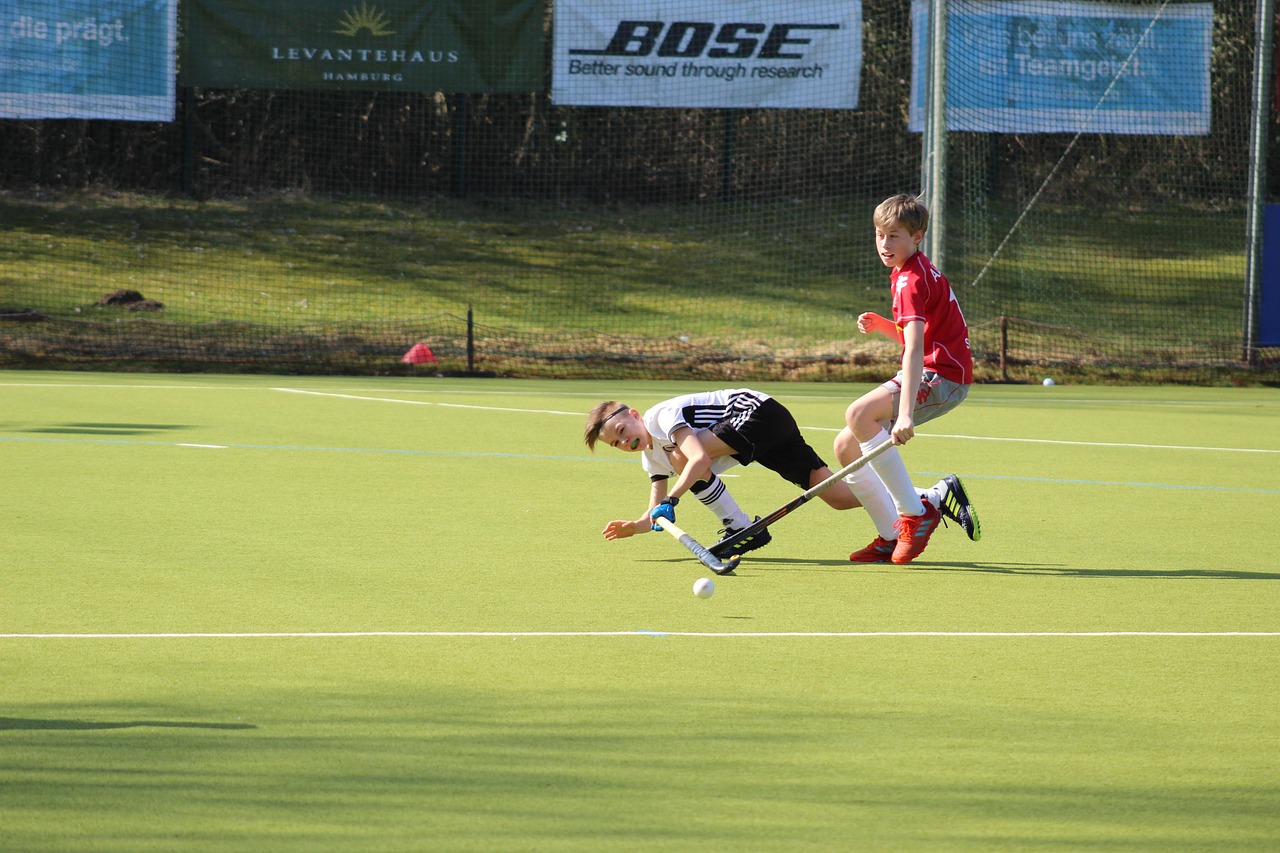
Field hockey is Nigeria’s strongest hockey discipline and the only one with a meaningful domestic footprint. Introduced during the colonial period, the sport became part of the national school system, with interscholastic competitions and occasional national tournaments. Nigeria has fielded both men’s and women’s national teams in continental competitions, particularly within the African Hockey Federation structure. The sport is played primarily on grass pitches at universities, police academies, and select sports colleges, with occasional artificial-turf upgrades for major events. While Nigeria is not a continental powerhouse, the field hockey community is stable and culturally embedded.
Infrastructure and Participation
Nigeria’s lack of ice rinks is the central obstacle to developing competitive ice hockey. The combination of high temperatures, energy costs, and limited refrigeration infrastructure makes year-round rinks expensive — but not impossible. Several private investors and sports-complex developers have explored feasibility studies for mall-based rinks or entertainment centers in Lagos and Abuja, modeled after similar ventures in Dubai or Manila. Field hockey infrastructure is more modest: grass pitches in schools and training institutions form the core of participation, with a handful of synthetic surfaces used for national-team preparation.
International Presence and Influence
Nigeria’s influence in ice hockey flows almost entirely from its diaspora, especially in Canada, which produces the bulk of Nigerian-heritage players. These athletes range from recreational-level skaters to former junior players with high-level training. Some have participated in multicultural or developmental tournaments meant to promote global hockey. Nigeria’s field hockey teams occasionally compete in African continental events, offering modest international visibility. Long-term, Nigeria’s international hockey identity will likely depend on blending diaspora talent with domestic development once infrastructure exists.
Future Outlook
Nigeria’s potential in ice hockey hinges on private investment, diaspora leadership, and the construction of even a single regulation-size rink. A functional facility would instantly change the trajectory of the sport, making youth development and IIHF membership realistic. Field hockey will remain the country’s primary hockey discipline, but there is genuine room for Nigeria to become one of Africa’s emerging ice hockey experiments if the right partners and resources align.
Here’s the revised Nigeria page written in the exact template — but with stronger dynamism, clearer differentiation between the three hockey cultures, and a cleaner sense of why Nigeria’s hockey ecosystem looks the way it does. No cut-and-paste energy, no generic filler, just country-specific texture built on the spine you locked in.
Overview
Nigeria’s relationship with hockey splits cleanly down climate and colonial lines. Ice hockey barely exists inside the country — no natural ice, no refrigeration tradition, and no generational rink culture — yet the Nigerian diaspora in Canada, the U.S., and the U.K. has created a surprising foothold for the sport abroad. Women’s ice hockey trails even further behind, functioning more as a diaspora-driven dream than an organized domestic pathway. Field hockey, however, has a real footprint thanks to Commonwealth-era school sports and continued participation at universities, police colleges, and select national tournaments.
Ice Hockey History and Development
Ice hockey in Nigeria began not with ice but with Nigerians raised in North American hockey systems. During the 2010s and early 2020s, diaspora players — many with junior or collegiate experience — attempted to formalize a Nigerian presence in global hockey by forming networks, scrimmage groups, and invitational teams abroad. Domestically, there was no equivalent push because there was no ice to build on. Development inside the country has focused on administrative groundwork, investor outreach, and feasibility studies for the country’s first true year-round rink. Nigeria’s “history” in the sport is essentially a diaspora origin story waiting for infrastructure to catch up.
Domestic Ice Hockey Structure
At present, Nigeria does not have a conventional ice hockey ecosystem. There is no full-size rink, no national league, and no youth development pyramid. Occasional synthetic-ice demonstrations in Lagos and Abuja serve more as exhibitions than sustained athletic pathways. Any domestic club structure that emerges will have to start from scratch, likely centered around a privately funded rink inside a commercial or entertainment complex. Lagos — with its economic weight — is the most realistic candidate for a first facility, followed by Abuja due to its political support structures. Until then, Nigeria’s “domestic” landscape remains theoretical.
National Ice Hockey Teams
Nigeria’s national ice hockey identity lives almost entirely abroad. Diaspora athletes have formed unofficial national teams for multicultural tournaments and friendly exhibitions. Since Nigeria is not yet part of the International Ice Hockey Federation (IIHF), there is no route to World Championships, Olympic qualifiers, or official rankings. If the country joins the IIHF in the future, the initial roster will almost certainly be made up of dual-heritage players from Canada and the United States while domestic development catches up. This mirrors the early trajectory of many emerging hockey nations.
Women’s Ice Hockey
Women’s hockey in Nigeria is purely aspirational at this stage. No domestic women’s teams exist, and without rinks, there is no pathway for a structured program. Interest comes almost exclusively from the diaspora, particularly from Canadian-Nigerian families who want to see broader African representation in the women’s game. If Nigeria builds a rink and begins a national federation program, women’s hockey would likely grow alongside the men’s effort, but right now it is a long-term development horizon rather than an active movement.
Field Hockey Overview
Field hockey is Nigeria’s strongest and most established hockey discipline. Introduced during British colonial rule, it took root in secondary schools, teacher-training colleges, and security-service institutions. Today, the sport continues through university teams, police squads, and military-affiliated programs. Nigeria has fielded both men’s and women’s national teams in African competitions, though it sits outside the continent’s elite tier. Field hockey has recognizable structures — pitches, coaches, national tournaments — and operates as a niche-but-stable element of Nigeria’s sporting landscape.
Infrastructure and Participation
Nigeria’s biggest barrier to ice hockey is the absence of rinks. Tropical heat and high energy costs make year-round refrigeration expensive, but not impossible — Gulf states like the UAE provide a model for how indoor rinks can succeed in hot climates with the right investors. Private feasibility studies have circulated for rink construction in Lagos and Abuja, sometimes connected to mall developments or mixed-use complexes. Field hockey infrastructure is more modest: mostly grass pitches, with a handful of synthetic surfaces reserved for national team training or special events. Participation is strongest in schools, universities, police academies, and military units.
International Presence and Influence
Nigeria’s influence in ice hockey comes from its diaspora pipeline. Nigerian-heritage players in Canada and the U.S. range from competitive youth athletes to former junior and collegiate players, forming the backbone of any future national team. A handful of diaspora-led initiatives have used hockey as cultural diplomacy, hosting clinics or charity events abroad. In field hockey, Nigeria maintains regular — though not dominant — participation in African Hockey Federation competitions, giving the country consistent but modest international visibility.
Future Outlook
If Nigeria constructs a regulation-size rink, its hockey trajectory changes overnight. One rink could unlock IIHF membership, youth programs, women’s development, and legitimate international competition anchored by diaspora talent. Until then, ice hockey remains a diaspora-led identity project with limited domestic reality. Field hockey will continue to be the country’s most stable hockey discipline, but Nigeria’s long-term potential lies in whether economic growth and private investment eventually give the country its first true home-ice advantage.

Interested in Sports in Nigeria?
American Football in Nigeria | Baseball in Nigeria | Basketball in Nigeria | Cricket in Nigeria | Football (Soccer) in Nigeria | Rugby in Nigeria