Malaysia is a field-hockey-first map. Bukit Jalil is the institutional center because the Malaysian Hockey Confederation is based at the National Hockey Stadium, which is also the home venue for Malaysia’s men’s and women’s national field hockey teams. Ipoh matters because the Sultan Azlan Shah Stadium is a dedicated field hockey venue and the permanent home of the Sultan Azlan Shah Cup. Ice hockey belongs on the map, but mainly through the Klang Valley rink ecosystem, especially Sunway Pyramid Ice and Malaysia’s IIHF-linked national ice hockey program.
Hockey in Malaysia has to be understood through two different sports living under the same word. In Malaysian sporting culture, “hockey” most often means field hockey, not ice hockey. Field hockey has deep roots in the country, a strong men’s national-team history, major Asian competition relevance, and a long connection to schools, clubs, national tournaments, and international events. Ice hockey exists too, but it is a much smaller, rink-based sport built around indoor facilities, the Malaysia Ice Hockey Federation, and participation in Asian and IIHF competition.
That makes Malaysia different from many countries on a general hockey site. A page about hockey in Canada, Finland, Sweden, or the United States naturally leans toward ice hockey. A page about hockey in Malaysia should lean strongly toward field hockey while still giving ice hockey its own place. The country’s most visible hockey identity comes from the field game: the Malaysian Hockey Confederation governs Malaysia’s national men’s, women’s, junior, and indoor field hockey teams, while the International Ice Hockey Federation lists Malaysia as a full member in ice hockey with a small but organized player base and six indoor IIHF-size rinks.
The History of Hockey in Malaysia
Field hockey has a long history in Malaysia. The sport developed during the British colonial period and became part of the country’s school, club, military, police, and national sports culture. Like cricket, rugby, and several other Commonwealth sports, field hockey entered Malaysia through institutional settings before becoming more locally rooted. Over time, Malaysian hockey built its own identity, especially through the men’s national team and the country’s role in Asian and world competition.
Malaysia’s men’s field hockey team, widely known as the Speedy Tigers, has been one of Asia’s important hockey programs. The team has appeared repeatedly at the Olympic Games, Hockey World Cup, Asian Games, and Asia Cup. Malaysia’s best men’s Hockey World Cup finish came in 1975, when the country hosted the tournament and finished fourth, a result that remains one of the landmark achievements in Malaysian field hockey history. The men’s team has also reached multiple Asian Games medal positions and has often been part of the second tier of global field hockey: not always among the medal favorites, but strong enough to matter in major competitions.
The domestic structure of field hockey in Malaysia has been shaped by schools, state associations, clubs, national tournaments, and the Malaysian Hockey Confederation. Kuala Lumpur and other urban centers have played an important role, but Malaysian hockey has also drawn from a wider state-based sporting culture. The sport has often been strongest where schools and local associations give young players a chance to enter organized competition.
Ice hockey in Malaysia is a much newer and smaller story. Malaysia’s ice hockey development depends on indoor rinks, urban participation, and international federation structure rather than winter climate. The Malaysia Ice Hockey Federation is the governing body for the sport and Malaysia is listed by the IIHF as a full member. The IIHF’s current Malaysia profile lists 40 senior male players, 49 youth male players, 32 senior female players, and six indoor IIHF-size rinks. Those numbers show that ice hockey in Malaysia is organized, but still small compared with major ice-hockey countries.
Where Hockey Fits in Malaysia’s Sports Culture
In Malaysia, field hockey has a much stronger cultural and competitive position than ice hockey. It is part of the country’s broader Commonwealth sports inheritance and has long been treated as a serious national-team sport. Football, badminton, and other sports often receive more mainstream attention, but field hockey has a respected place because of Malaysia’s international history, school-level participation, Asian competition, and national-team tradition.
The men’s field hockey program is especially important. Malaysia has often been one of the countries that can challenge stronger global teams, compete seriously in Asia, and produce moments of real international relevance. The Speedy Tigers identity gives Malaysian hockey a recognizable national brand. The team’s reputation is built around speed, technical ability, attacking intent, and the challenge of trying to convert Asian strength into consistent global success.
Women’s field hockey in Malaysia also matters, although the men’s program has historically carried more international visibility. The women’s side gives the sport a broader development base and connects Malaysian hockey to the growth of women’s team sports across Asia. For a country page, it is important not to treat Malaysian field hockey as only a men’s story. The women’s national team, junior programs, indoor hockey, and girls’ development all belong in the larger picture.
Ice hockey occupies a different space. It is not a mainstream Malaysian sport and does not have the same historical weight as field hockey. Its growth is tied to modern indoor rinks, urban sports culture, mall-based facilities, expat influence, youth curiosity, and the appeal of international winter sports. In a tropical country, ice hockey is necessarily facility-dependent. It cannot grow through outdoor ponds, community winter recreation, or natural seasonal rhythms. It grows when rinks exist, coaches are available, and families can access equipment and ice time.
That contrast makes Malaysia a useful hockey case study. The country has a serious field hockey culture and a small but real ice hockey ecosystem. One is historic and nationally established; the other is newer, urban, and developmental.
Hockey Teams, Leagues, and Competitions in Malaysia
Field hockey in Malaysia is organized through national, state, club, school, and representative competition. The Malaysian Hockey Confederation is the national governing body for the country’s men’s and women’s field hockey teams, junior teams, and indoor hockey teams. Its official profile with the International Hockey Federation identifies the Malaysian Hockey Confederation as Malaysia’s member body, based at the National Hockey Stadium in Bukit Jalil, Kuala Lumpur.
Bukit Jalil is one of the symbolic centers of Malaysian hockey. The National Hockey Stadium gives the sport a major physical home, and Kuala Lumpur has often been central to national hockey administration and high-level competition. Malaysia has hosted major international field hockey events, including the 1975 Men’s Hockey World Cup, which remains especially important because of Malaysia’s fourth-place finish.
At the national-team level, the men’s program has been the clearest marker of Malaysian hockey strength. Malaysia has played in multiple Olympics and World Cups, and the team has repeatedly been part of the Asian field hockey conversation alongside countries such as India, Pakistan, South Korea, Japan, and China. The Asia Cup and Asian Games are especially important competitions because they place Malaysia within a regional field hockey landscape where the country has historically been competitive.
Domestic field hockey depends heavily on player development through schools, state teams, and national competitions. In many field hockey countries, schools are not just entry points; they are the base of the sport’s culture. Malaysia fits that broader pattern. School hockey, age-group competition, and state-level structures help identify and develop players before they move toward national youth teams, senior teams, clubs, or high-performance programs.
Ice hockey competition in Malaysia is much smaller but still organized. The Malaysia Ice Hockey Federation oversees the ice hockey side, and Malaysia participates internationally under the IIHF structure. The men’s national ice hockey team is controlled by the Malaysia Ice Hockey Federation, and the country joined the IIHF in 2006.
Malaysia’s ice hockey calendar is shaped more by tournaments, national-team events, rink programming, and regional Asian competition than by a large domestic professional league. The IIHF player and rink numbers show the limits of the current system, but also show that the sport has a real base. In a tropical country, six full-size indoor rinks represent the basic infrastructure that makes national-team and youth participation possible.
Famous Hockey Players from Malaysia
Malaysia’s best-known hockey figures are mostly field hockey players, especially from the men’s national team. The country’s field hockey history is associated with players who represented Malaysia at the Olympics, World Cup, Asian Games, Asia Cup, and other major tournaments. Because the men’s team has been the country’s strongest hockey symbol, many of Malaysia’s most important hockey names come from that tradition.
One modern name closely associated with Malaysian field hockey is Razie Rahim, a prominent defender and drag-flick specialist who has been listed as one of the national team’s leading scorers. The Speedy Tigers’ modern identity has also included players such as Marhan Jalil, who has captained the national team, and other senior figures who helped Malaysia remain competitive in Asian and international tournaments.
The larger point is that Malaysian hockey fame is more team-centered than celebrity-centered. In Canada or the United States, hockey pages can easily become lists of NHL stars. In Malaysia, the stronger article angle is the national program, the Speedy Tigers identity, and the players who symbolize Malaysia’s effort to stay relevant in elite field hockey. The 1975 World Cup team deserves special attention because of the country’s fourth-place finish as host. That tournament remains one of the clearest examples of Malaysia performing at a major global level.
Women’s field hockey players should also be part of the wider Malaysian hockey story, especially as the country continues to develop women’s sport and indoor hockey structures. The women’s national team does not have the same global profile as the men’s team, but it represents an important development pathway and a way for hockey to reach more players.
Ice hockey has a smaller pool of notable figures. Malaysia’s ice hockey players are important less because they are global stars and more because they are pioneers in a country where the sport has to be built through indoor infrastructure. Players representing Malaysia in IIHF events are part of a first-generation or early-generation national-team story. Their significance comes from establishing standards, giving younger players visible examples, and proving that Malaysia can maintain an ice hockey program despite climate and participation challenges.
Youth Hockey and Player Development in Malaysia
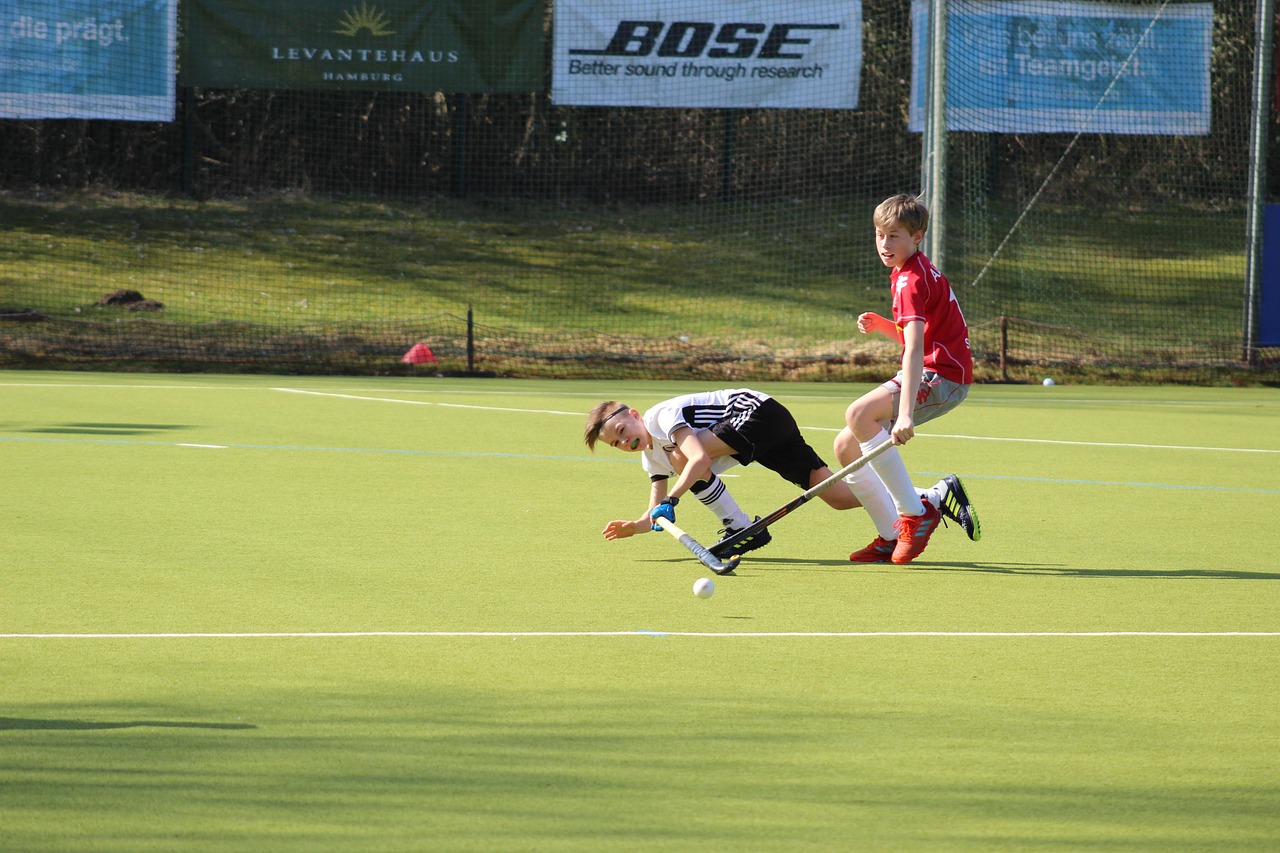
Youth development in Malaysian hockey depends on which form of hockey is being discussed. In field hockey, the pathway is more established. Schools, state associations, clubs, national age-group teams, and federation programs all help young players move toward higher competition. The sport benefits from being relatively accessible compared with ice hockey. It does not require an indoor ice rink, expensive skates, or full protective equipment. That makes field hockey easier to spread through schools and community programs.
School hockey is especially important because it gives players an early introduction to the sport. In countries where field hockey is strong, schools often create the first competitive environment. Players can then move into state-level tournaments, national youth programs, or senior club structures. Malaysia’s long-term field hockey strength depends on how well that school-to-state-to-national pathway continues to function.
For elite field hockey development, coaching quality and competition level matter. Malaysia has produced competitive national teams, but the challenge is turning local and regional strength into consistent results against the world’s best programs. That requires technical development, fitness, tactical structure, penalty-corner quality, goalkeeping depth, and regular exposure to high-level competition. It also requires investment in women’s and junior hockey so that the player base remains broad.
Ice hockey development is more difficult because the sport is facility-limited. Young Malaysian ice hockey players need access to indoor rinks, equipment, coaching, and enough other players to create meaningful competition. The IIHF’s Malaysia profile lists youth male players but no youth female players in its current registration snapshot, which suggests that girls’ ice hockey development may still be very limited compared with the senior women’s participation number.
The growth of ice hockey in Malaysia will likely depend on urban rink access, learn-to-skate programs, family affordability, coaching development, and regional competition. A small player base can still produce a national program, but it needs regular games and development continuity. For Malaysia, the first goal is not to become a major ice hockey country. The more realistic goal is to sustain participation, develop youth players, and use Asian and IIHF events to give the sport a clear competitive purpose.
The Future of Hockey in Malaysia
The future of hockey in Malaysia is strongest on the field hockey side. Malaysia already has history, facilities, a national governing body, Asian competition relevance, and a recognizable men’s national-team identity. The main challenge is turning that foundation into stronger global consistency while also expanding women’s hockey, youth development, and domestic depth.
Field hockey gives Malaysia a real place in the global hockey map. The country is not a casual participant; it is a serious Asian hockey nation with World Cup history and a national program that can still matter internationally. Ice hockey, by contrast, is a smaller developmental project. Its future depends on rinks, coaching, youth access, and the ability to keep a small but committed community active.
Together, the two forms of hockey make Malaysia more interesting than a simple ranking would suggest. Malaysia is not an ice hockey country in the traditional sense, but it is absolutely a hockey country when the field game is included. Its hockey story is tropical, urban, school-based, Commonwealth-rooted, and increasingly split between an established field hockey identity and a growing indoor ice hockey experiment.




Interested in Sports in Malaysia?
American Football in Malaysia | Baseball in Malaysia | Basketball in Malaysia | Cricket in Malaysia | Football (Soccer) in Malaysia | Rugby in Malaysia