Czechia’s ice hockey structure is anchored by the Extraliga, the national association in Prague, and major club cities including Pardubice, Brno, Třinec, Liberec, Plzeň, Litvínov, Karlovy Vary, Kladno, and others; field hockey is smaller but organized through Czech field hockey structures and clubs such as Slavia Prague, Rakovník, Bohemians, Praga, Litice, and Mnichovice.
Hockey in Czechia is one of the country’s defining sports traditions, combining deep club roots, national-team pride, technical player development, and a long record of international success. Few countries of Czechia’s size have produced such a consistent hockey identity, from the Czechoslovak era through the modern Czech national team, the domestic Extraliga, and generations of players who have succeeded in the NHL and top European leagues.
The sport is not just followed during major tournaments. It is built into local club life, youth development, city rivalries, winter culture, and national memory. Czech hockey carries the weight of famous international victories, legendary players, and a distinctive playing style often associated with skill, puck movement, creativity, and tactical intelligence. From Prague and Brno to Pardubice, Kladno, Třinec, Plzeň, Vítkovice, and České Budějovice, hockey remains one of the clearest ways to understand Czech sporting culture.
The History of Hockey in Czechia
The history of hockey in Czechia begins before the modern Czech Republic existed. Organized hockey developed in the Czech lands during the early twentieth century, when Bohemia was already part of the international hockey conversation. The Czech Hockey Union joined the international federation in 1908, giving the sport a formal foundation very early in European hockey history. That early start matters because Czech hockey did not emerge as a recent import or a side branch of another country’s system. It became one of the original pillars of continental European hockey.
During the Czechoslovak period, hockey became one of the country’s most important sports. Czechoslovakia built a powerful national program, strong domestic clubs, and a reputation for producing intelligent, technically skilled players. The sport also became a stage for national identity. Games against the Soviet Union carried meaning far beyond the rink, especially during the Cold War. Czech and Slovak players were not simply competing for medals; they were often seen as representing cultural pride, political tension, and a distinct Central European hockey tradition.
Czechoslovakia’s international achievements helped establish the country as a true hockey power. The national team won world titles, Olympic medals, and major games that became part of the country’s sporting memory. The country’s domestic league also developed a high level of play, producing stars who became famous at home before later generations had broader opportunities to move to North America.
After the peaceful dissolution of Czechoslovakia, Czechia inherited one of Europe’s strongest hockey cultures. The Czech national team quickly proved that it could stand on its own. The defining moment came at the 1998 Winter Olympics in Nagano, when Czechia won Olympic gold behind a team led by Dominik Hašek, Jaromír Jágr, Robert Reichel, and other stars. That tournament remains one of the most important achievements in Czech sports history.
Czechia also became a major force at the IIHF World Championship. The national team won multiple world titles after independence, including gold medals in 1996, 1999, 2000, 2001, 2005, 2010, and 2024. The 2024 title was especially powerful because Czechia won it on home ice in Prague, defeating Switzerland 2–0 in the final, with David Pastrňák scoring the decisive goal.
That victory connected the modern era back to the country’s older hockey identity. Czech hockey had gone through periods of transition, including changes in player development, NHL movement, and domestic league economics. Winning the world championship at home reminded the country that hockey remains one of Czechia’s strongest national sports.
Where Hockey Fits in Czechia’s Sports Culture
Hockey is one of Czechia’s major sports, competing most closely with football for national attention. While football has the broader global footprint and deep local club culture, hockey has a special place in Czech national identity because of its international success. Czech fans expect the national team to matter. World Championship games, Olympic tournaments, and major rivalry matchups can become national events.
Part of hockey’s popularity comes from climate and geography, but Czechia is not simply a country where hockey exists because winters are cold. The sport is organized through clubs, arenas, youth systems, professional teams, and a strong national federation structure. Czech hockey culture is built around both participation and spectatorship. Families follow local clubs, children enter youth programs, and fans grow up with the national team as a recurring part of the sports calendar.
Czech hockey also has a distinctive emotional profile. It is tied to moments of national celebration, disappointment, and pride. The 1998 Olympic gold medal in Nagano is still remembered as a defining moment because Czechia defeated elite hockey nations on the biggest stage. The 2024 World Championship victory in Prague created a similar kind of national moment for a younger generation. These tournaments matter because Czech fans see hockey as one of the sports where their country can compete directly with much larger nations.
The Czech style of hockey has often been associated with skill, passing, deception, and high hockey IQ. Czech players have traditionally been valued for creativity and technical ability, especially forwards who can read the game, control the puck, and make plays in tight spaces. That reputation has evolved as the modern game has become faster, more physical, and more systems-driven, but Czech hockey still carries an identity rooted in intelligence and technique.
Hockey culture in Czechia is also highly local. Clubs in cities such as Prague, Brno, Pardubice, Kladno, Třinec, Plzeň, Liberec, Olomouc, Hradec Králové, and České Budějovice are not just professional teams. They are local institutions with histories, rivalries, youth systems, and loyal fan bases. In some places, hockey is the central sporting identity of the city.
The sport’s popularity also benefits from Czechia’s size. Because the country is compact, domestic rivalries and national-team stories travel quickly. A promising young player can become known across the hockey community before reaching the NHL. A major Extraliga playoff run can become a national sports story. A World Championship victory can turn city squares into public celebrations.
Hockey Teams, Leagues, and Competitions in Czechia
The top domestic hockey league in Czechia is the Czech Extraliga, officially known through sponsorship as the Tipsport Extraliga. It was created in 1993 after the split of Czechoslovakia and became the top level of Czech club hockey. The league has 14 teams and remains one of the strongest domestic competitions in Europe.
The Extraliga is central to Czech hockey because it connects professional club traditions with national player development. It gives Czech players a high-level domestic pathway before moving to larger European leagues or the NHL. It also provides a place for veteran Czech stars to return later in their careers, keeping domestic hockey connected to the country’s international reputation.
Important Czech clubs include HC Sparta Praha, HC Kometa Brno, HC Dynamo Pardubice, HC Oceláři Třinec, HC Škoda Plzeň, HC Vítkovice Ridera, Bílí Tygři Liberec, HC Olomouc, Mountfield HK, Motor České Budějovice, Rytíři Kladno, and others. Each club brings a different regional identity. Sparta Praha carries the weight of a major capital-city club. Kometa Brno has one of the country’s most famous hockey traditions. Pardubice is a major hockey city with a powerful fan base. Třinec has become a modern Extraliga force. Kladno is closely associated with Jaromír Jágr and the development of several major Czech players.
Below the Extraliga, Czech hockey has additional senior and developmental levels. The Czech Ice Hockey Association organizes major competitions including the second and third senior leagues, U20 and U18 competitions, women’s competitions, and regional youth structures. This layered system gives the country a broad hockey pyramid, not just a top professional league.
The national team is another major part of Czech hockey competition. Czechia plays in the IIHF World Championship, Olympic tournaments, Euro Hockey Tour events, junior championships, and other international competitions. The men’s national team has the strongest public profile, but Czechia also competes in women’s hockey, junior hockey, para hockey, and other international categories.
World Championship hockey has particular importance in Czechia. Unlike in North America, where the Stanley Cup playoffs can overshadow the IIHF World Championship, many European countries treat the tournament as a major national-team event. Czechia is one of the countries where the World Championship still carries real public weight. Hosting the 2024 tournament in Prague and Ostrava reinforced that connection, especially when the Czech team won gold on home ice.
Women’s hockey is also an important growth area. Czech women’s hockey has improved internationally, helped by stronger player development, NCAA opportunities, European club pathways, and increased visibility for the women’s national team. While men’s hockey still receives most of the attention, women’s hockey gives Czechia another path to remain competitive in the international game.
Famous Hockey Players from Czechia
Czechia has produced some of the most important players in hockey history. The most famous is Jaromír Jágr, one of the greatest forwards ever to play the game. Jágr became a global hockey icon through his NHL career, international success, longevity, scoring ability, and connection to Czech hockey culture. His career links several eras: late Czechoslovak development, early post-communist player movement, NHL stardom, Olympic success, and a later return to Czech club hockey with Kladno.
Dominik Hašek is another defining figure. Known as one of the greatest goaltenders in hockey history, Hašek became the face of Czechia’s 1998 Olympic gold-medal run. His unorthodox style, competitiveness, and ability to dominate games made him one of the most recognizable Czech athletes of all time. For many fans, the Nagano gold medal is inseparable from Hašek’s performances.
Czech hockey history also includes major names such as Milan Nový, Ivan Hlinka, Vladimír Růžička, Jiří Holeček, František Pospíšil, Václav Nedomanský, Patrik Eliáš, Robert Reichel, Martin Straka, Petr Nedvěd, Milan Hejduk, Tomáš Vokoun, Tomáš Kaberle, Roman Hamrlík, Radek Bonk, Petr Sýkora, Bobby Holík, and many others. Some were stars in Czechoslovak and Czech domestic hockey. Others became major NHL contributors. Several became important coaches, executives, or symbols of Czech hockey development.
The modern Czech generation is led by David Pastrňák, one of the NHL’s elite offensive players and the biggest current star of Czech hockey. Pastrňák’s role in the 2024 World Championship final added another chapter to his national-team legacy. Martin Nečas, Tomáš Hertl, Ondřej Palát, Pavel Zacha, Filip Hronek, Radko Gudas, Lukáš Dostál, Karel Vejmelka, and other current Czech players continue to give the country a visible presence in the NHL. Czechia’s 2026 Olympic roster was expected to feature several NHL players, including Pastrňák, Nečas, Hertl, and Gudas.
The importance of Czech players is not measured only by NHL statistics. Czech hockey also values players who led domestic clubs, captained national teams, won international medals, or represented the country across many tournaments. Roman Červenka is a good example of a player whose national-team importance goes beyond a simple NHL-centered view. Czech hockey has always had room for both NHL stars and European-based leaders.
Youth Hockey and Player Development in Czechia
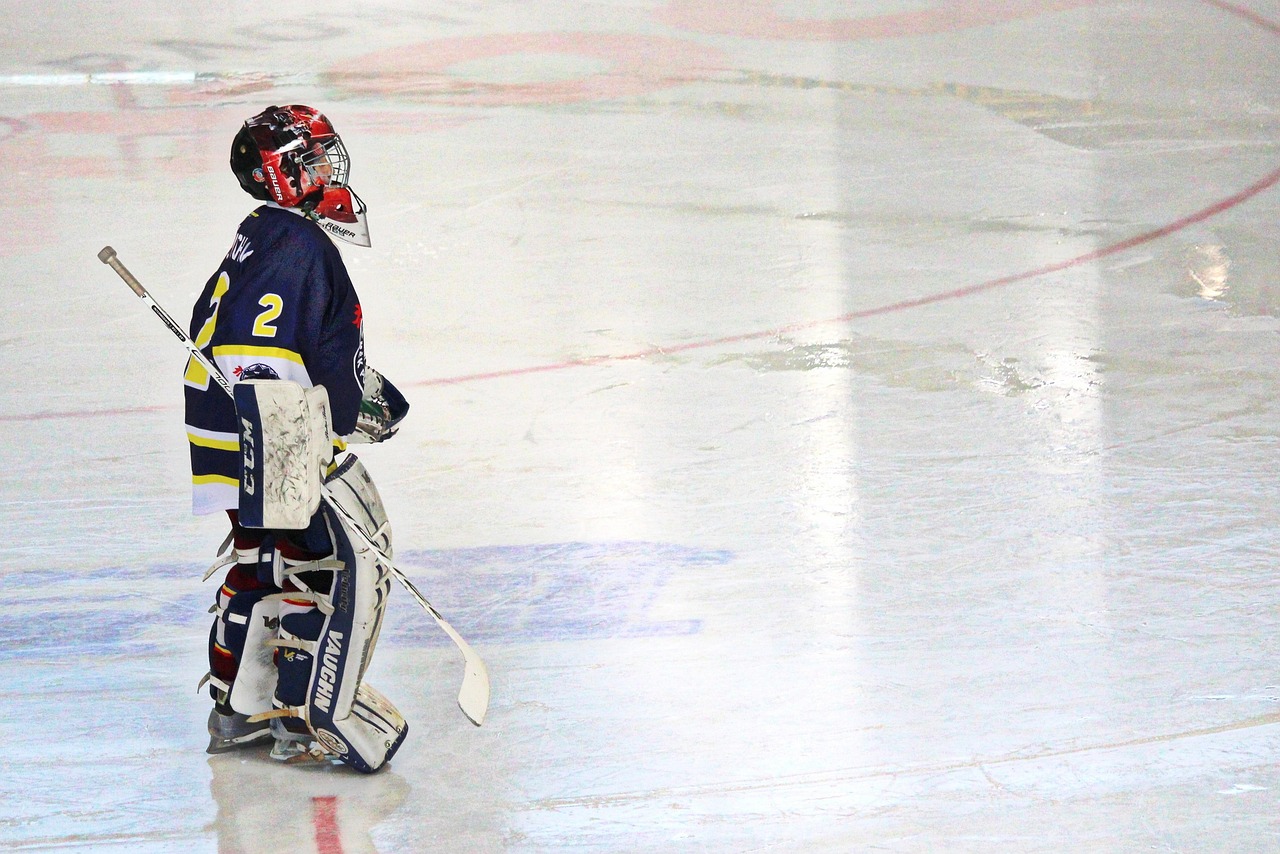
Youth hockey is one of the foundations of Czechia’s hockey strength. The country’s development system is built around local clubs, age-group teams, coaching structures, and a competitive pathway that can lead from youth hockey to junior hockey, the Extraliga, other European leagues, the NHL Draft, college hockey, or the national team.
For many Czech players, the local club is the starting point. Children enter hockey through city or regional programs, often attached to professional or semi-professional clubs. These clubs are important because they connect grassroots participation with elite development. A young player in Kladno, Brno, Pardubice, Prague, Plzeň, Třinec, or Liberec is not only joining a youth team. He or she is entering a larger club culture with senior teams, older age groups, coaches, traditions, and visible examples of players who have moved up.
Czech development has historically emphasized technical skill. Skating, puck control, passing, and game understanding are central parts of the country’s hockey identity. The best Czech players often show creativity at a young age, especially in how they handle the puck, find passing lanes, and read pressure. Modern Czech development has also had to adapt to the speed, strength, and pace of the current international game. Like other European hockey countries, Czechia has had to balance its traditional skill identity with the demands of modern conditioning, defensive structure, and high-tempo play.
Junior hockey is a major part of the pathway. Czechia has organized U20, U18, U16, and other youth competitions, giving players age-appropriate levels before they enter senior hockey. The best prospects may stay in Czechia, move to Canadian junior hockey, join Swedish or Finnish development systems, pursue NCAA opportunities, or transition into professional hockey in Europe. That variety gives elite players more options but also creates pressure on the domestic system to retain and develop talent.
Rink access is generally stronger in Czechia than in many nontraditional hockey countries, but cost and participation challenges still exist. Hockey is equipment-heavy, time-intensive, and expensive compared with many sports. Maintaining broad participation requires clubs, families, municipalities, and the national federation to keep youth hockey accessible. This is especially important if Czechia wants to continue producing elite players while also sustaining the sport as a community activity.
Girls’ and women’s hockey represent another important development frontier. As the women’s national team becomes more competitive, youth opportunities for girls become more important. Czechia’s long-term hockey future will depend not only on producing NHL players, but also on expanding the sport across more communities, more age groups, and more pathways.
The Future of Hockey in Czechia
The future of hockey in Czechia is built on a strong foundation: a respected domestic league, deep club traditions, a passionate fan base, a successful national team, and a long record of producing elite players. The 2024 World Championship gold medal showed that Czech hockey remains capable of competing with the best countries in the world, especially when its NHL stars, European-based leaders, goaltending, and team structure come together.
The next challenge is consistency. Czechia must continue developing high-end talent while maintaining the strength of its domestic clubs and youth systems. It also needs to keep hockey affordable, expand women’s participation, modernize player development, and ensure that the Extraliga remains a meaningful bridge between youth hockey and the international game.
Czechia is already one of the essential countries in world hockey. Its future will depend on how well it protects the traditions that made Czech hockey famous while adapting to a faster, deeper, and more global version of the sport.




Interested in Sports in Czech Republic?
American Football in Czech Republic | Baseball in Czech Republic | Basketball in Czech Republic | Cricket in Czech Republic | Football (Soccer) in Czech Republic | Rugby in Czech Republic