Argentina hockey is field-hockey first, with Buenos Aires, Rosario, Córdoba, Mendoza, Tucumán, and other club regions carrying most of the map. I included a smaller ice-hockey layer through Buenos Aires-area rinks and Patagonia nodes such as Bariloche, Ushuaia, Río Grande, and El Calafate. Argentina’s field hockey importance is grounded in the strength of Las Leonas and Los Leones, with CAH as the national federation and Argentina’s men’s team winning Olympic gold in 2016 while the women’s team has won multiple Olympic medals and World Cup titles.
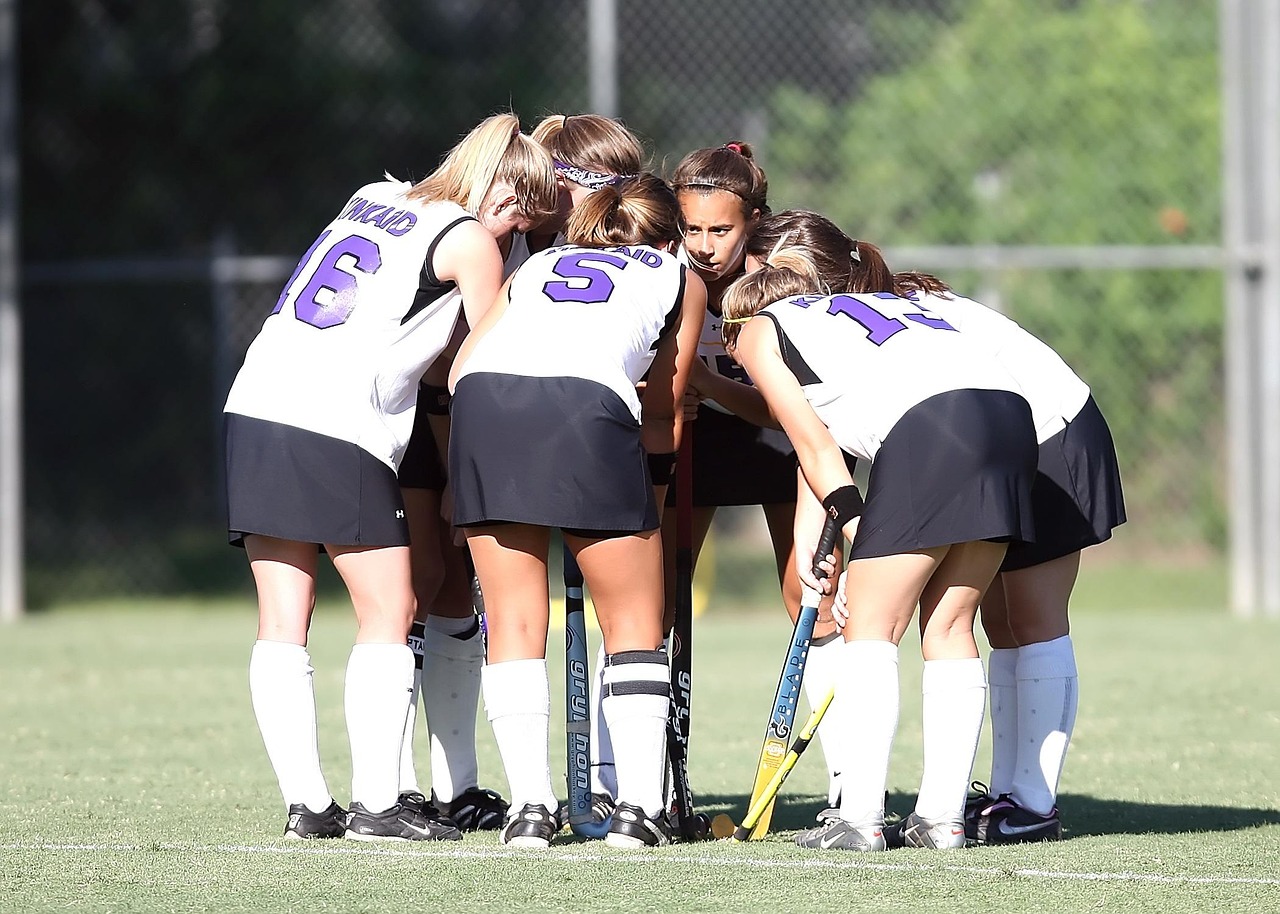
Hockey in Argentina has to be understood through two very different sporting realities. In Argentina, the word “hockey” most often points to field hockey, one of the country’s most successful international team sports and a major part of its Olympic identity. Argentina’s women’s field hockey team, Las Leonas, has become one of the most recognizable teams in world hockey, while the men’s team, Los Leones, made history by winning Olympic gold at Rio 2016.
Ice hockey also exists in Argentina, but it is a much smaller sport. It is organized through a limited rink network, amateur players, inline hockey crossover, and national-team participation in regional competitions. That makes Argentina unusual for a global hockey site: the country is a true hockey power in one version of the sport, but a developing nation in another.
The result is a country where hockey cannot be reduced to one story. Field hockey is elite, visible, and culturally meaningful. Ice hockey is small, persistent, and infrastructure-limited. Together, they show how Argentina’s broader sports culture can support both world-class excellence and niche participation under the same hockey umbrella.
The History of Hockey in Argentina
The history of hockey in Argentina is primarily a field hockey story. Field hockey arrived through British influence, schools, clubs, and the wider sporting culture that developed in Argentina during the late nineteenth and early twentieth centuries. Like football, rugby, cricket, polo, and tennis, field hockey became part of the country’s club-based athletic life. Over time, the sport found a particularly strong place in schools, universities, and urban clubs, especially around Buenos Aires and other major population centers.
Women’s field hockey became the defining force in Argentina’s modern hockey identity. Las Leonas rose from a strong national program into one of the sport’s global powers. Their success gave field hockey a level of public recognition that few non-football sports in Argentina achieve. Olympic medals, World Cup performances, Champions Trophy success, and a long line of famous players helped make women’s hockey one of the country’s major international sporting brands.
The men’s field hockey program also built its own historic identity. For many years, Argentina was respected but not usually placed in the same category as the dominant European, South Asian, and Australian powers. That changed dramatically at the 2016 Rio Olympics, when Los Leones won the men’s field hockey gold medal. Argentina defeated Belgium 4–2 in the final, earning the first men’s Olympic field hockey gold medal by any team from the Americas.
Ice hockey developed much more narrowly. Argentina does not have the climate, rink density, or winter-sport infrastructure of countries where ice hockey becomes a mass participation sport. Instead, Argentine ice hockey has grown through dedicated clubs, amateur players, inline hockey links, and the work of the Asociación Argentina de Hockey sobre Hielo y en Línea. Argentina is an associate member of the International Ice Hockey Federation, and the IIHF lists the country with a very small rink base compared with major ice-hockey nations.
The Argentina men’s national ice hockey team played its first official match in 2012 against Mexico and later competed in regional events such as the Pan American Ice Hockey Tournament and LATAM Cup. Argentina Ice Hockey describes the national team as made up entirely of amateur athletes, with much of the financial burden handled by the players themselves.
That split defines the country’s hockey history: field hockey is a national success story; ice hockey is a smaller, self-sustaining community trying to build visibility in a country where ice access is limited.
Where Hockey Fits in Argentina’s Sports Culture
Hockey in Argentina sits behind football in national attention, but field hockey has a stronger place than many international readers may expect. Argentina is a football country first, and that shapes every other sport’s place in the national hierarchy. Basketball, rugby, tennis, polo, motorsport, volleyball, and field hockey all compete for attention in the space below football. Within that group, field hockey has earned a serious place because of sustained international success.
Women’s field hockey is especially important. Las Leonas are not just a good national team; they are one of Argentina’s great modern sporting institutions. Their rise gave the country an elite women’s team that could compete consistently with the Netherlands, Australia, Germany, China, Belgium, and other global powers. In 2024, Argentina won Olympic bronze in women’s field hockey at Paris, giving the program its sixth Olympic medal.
That record matters culturally. In a sports culture often dominated by men’s football, Las Leonas created a powerful women’s team identity. Their success helped make field hockey visible to casual sports fans and gave generations of girls a clear national model. The team’s name itself became a brand: competitive, skilled, emotional, and associated with Argentina’s ability to turn a club-and-school sport into a global force.
Men’s field hockey has a different place. It does not carry the same broad cultural identity as Las Leonas, but the Olympic gold in 2016 changed its status permanently. Los Leones showed that Argentina could become elite in men’s field hockey as well, not merely competitive. That gold medal gave the men’s program its own defining moment and expanded the country’s field hockey story beyond the women’s team.
Ice hockey has a much smaller cultural footprint. It is not a mainstream spectator sport in Argentina, and it does not have the school, club, or national-team visibility of field hockey. Its presence is concentrated among players, families, amateur teams, inline hockey communities, and people connected to the country’s limited ice facilities. For most Argentines, ice hockey is far less familiar than field hockey.
Still, ice hockey’s existence in Argentina is worth covering because it shows the sport’s global reach. Even in countries without natural ice traditions, dedicated communities can organize national teams, participate in regional tournaments, and build a small hockey identity around indoor rinks and international ambition.
Hockey Teams, Leagues, and Competitions in Argentina
Argentina’s most important hockey competitions are in field hockey. The sport is built through clubs, regional associations, national competitions, and international tournaments. Buenos Aires is especially important because many of Argentina’s major clubs, schools, and player-development pathways are connected to the capital region. Club hockey gives the sport its week-to-week foundation, while the national teams provide the country’s most visible international platform.
The women’s national team, Las Leonas, is the central institution in Argentine hockey. Argentina has regularly been near the top of the women’s world game, and the FIH rankings update from March 2026 listed Argentina second in the women’s standings behind the Netherlands. That ranking reflects the country’s long-term status as one of the elite women’s field hockey programs in the world.
The men’s national team, Los Leones, gives Argentina another major field hockey platform. The 2016 Olympic gold medal remains the defining achievement, but the men’s program has also remained relevant in major international competition. Argentina appears among the leading men’s field hockey countries in FIH ranking material, and its status as the only men’s team from the Americas to win Olympic gold gives the program a special place in the sport’s global history.
Argentina also has a strong junior field hockey culture. The FIH noted in April 2026 that Argentina won gold in both the men’s and women’s competitions at the Junior Pan American Cup, showing the country’s continued strength at youth international level. That kind of junior success matters because Argentina’s field hockey power depends on a steady pipeline from clubs and youth programs into senior national teams.
Ice hockey competitions are smaller and more regionally focused. Argentina’s national ice hockey program has participated in Latin American and Pan American competition rather than the top levels of the IIHF World Championship structure. The men’s national team has played in events such as the Pan American Ice Hockey Tournament and the LATAM Cup, while the broader sport remains tied to amateur participation and limited rink access. Argentina’s official ice hockey national team site states that the men’s national team first played in 2012 and later won bronze at the 2017 Pan American Ice Hockey Tournament.
The biggest difference between field hockey and ice hockey in Argentina is infrastructure. Field hockey can be played through clubs, schools, and outdoor facilities. Ice hockey requires specialized ice rinks, expensive equipment, and a much narrower facility base. That makes field hockey far easier to scale nationally, while ice hockey remains dependent on small but committed communities.
Famous Hockey Players from Argentina
Argentina’s most famous hockey players are field hockey players. On the women’s side, Luciana Aymar is the defining figure. Widely regarded as one of the greatest field hockey players of all time, Aymar became the face of Las Leonas and helped elevate Argentine women’s hockey into a global brand. Her skill, creativity, dribbling, and leadership gave Argentina a superstar who could stand alongside the country’s most important athletes outside football.
Las Leonas have produced many other major players, including Cecilia Rognoni, Magdalena Aicega, Soledad García, Carla Rebecchi, Noel Barrionuevo, Delfina Merino, Rosario Luchetti, Belén Succi, Agustina Albertarrio, and Agustina Gorzelany. These players represent the depth of the women’s program across different eras. Argentina’s success has not been built around one generation only; it has been sustained by repeated waves of elite talent.
On the men’s side, Argentina’s Rio 2016 Olympic champions became national hockey landmarks. Gonzalo Peillat was one of the most important players in that era, especially because of his penalty-corner scoring. Juan Vivaldi, Pedro Ibarra, Matías Paredes, Lucas Vila, and other members of the Olympic generation helped give Los Leones a championship identity. Their victory in Rio turned Argentine men’s field hockey from a respected program into an Olympic gold-medal program.
Argentina’s field hockey fame is also built around team identity. Las Leonas and Los Leones are more than nicknames; they are national sporting brands. That matters in a country where team identity is often central to fan memory. The names help field hockey occupy a recognizable place in Argentina’s crowded sports landscape.
Ice hockey has a much smaller player profile. Argentine ice hockey players are not household names in the same way as field hockey stars. The national ice hockey team is made up of amateur athletes, and its most important figures are often players, coaches, organizers, and federation leaders who keep the sport functioning despite limited resources. For ice hockey in Argentina, fame is less about global stardom and more about building a program where very few structural advantages exist.
That difference is important for the page. Argentina has world-famous hockey players — but in field hockey. Its ice hockey figures are important in a developmental, grassroots, and regional sense.
Youth Hockey and Player Development in Argentina
Youth hockey in Argentina is strongest in field hockey. The sport benefits from club systems, school participation, coaching networks, and a national-team pathway that gives young players visible goals. Girls’ field hockey, in particular, has a strong model because Las Leonas have shown that Argentine players can become Olympic medalists, world stars, and national sporting figures.
The club system is central. Young field hockey players often enter the sport through local clubs, school programs, and regional associations. In Buenos Aires and other field hockey centers, players can move from youth competition into higher club levels and, for the best prospects, into provincial, national youth, and senior national-team consideration. That creates a visible ladder from participation to elite competition.
Women’s development is one of Argentina’s greatest strengths. The continued success of Las Leonas depends on producing new players who can handle international speed, pressure, and technical demands. Argentina’s junior success in Pan American competition shows that the pipeline remains important below the senior level.
Men’s field hockey development has also improved. The Olympic gold in 2016 gave boys and young men a stronger national model. Before that, Argentina’s field hockey identity was often more closely associated with the women’s team. Los Leones’ success helped show that the men’s game could also reach the highest level.
Ice hockey development is much more difficult. Argentina’s IIHF profile lists only a small number of rinks, which limits participation, training time, youth recruitment, and national development. In countries with large ice hockey systems, young players may have many local teams, regular leagues, and specialized coaching. In Argentina, ice hockey development depends on a far smaller community.
Inline hockey can play a supporting role because it lowers some of the infrastructure barriers. Argentina’s ice and inline hockey association structure reflects that connection. Inline hockey gives players a way to develop skating, puck skills, and team habits even where full ice hockey access is limited. It cannot fully replace ice time, but it can help sustain a hockey culture in a country without a large ice-rink network.
The future of Argentine hockey development therefore has two tracks. Field hockey is about maintaining elite standards and expanding opportunity. Ice hockey is about survival, access, rinks, coaching, equipment, and keeping enough players involved to support national-team activity.
The Future of Hockey in Argentina
The future of hockey in Argentina is strongest on the field hockey side. Las Leonas remain one of the world’s elite women’s teams, and Los Leones have already proven that Argentina can win at the highest level in men’s field hockey. The challenge is to keep the pipeline strong, support clubs, maintain international competitiveness, and ensure that both men’s and women’s programs continue producing elite players.
Ice hockey’s future is more modest but still meaningful. Growth will depend on rink access, federation support, youth recruitment, equipment affordability, and regional competition. Argentina is unlikely to become a major ice hockey country soon, but it can continue building a recognizable Latin American ice hockey identity through amateur commitment, inline crossover, and participation in regional events.
Argentina is one of the clearest examples of why hockey coverage has to be flexible by country. In Canada, Sweden, Finland, or the United States, hockey usually begins with ice. In Argentina, hockey begins with the field. Any serious page on hockey in Argentina should reflect that reality: this is a country with world-class field hockey, a proud Olympic record, a powerful women’s team identity, a historic men’s breakthrough, and a smaller ice hockey community working to carve out its own place.










Interested in Sports in Argentina?
American Football in Argentina | Baseball in Argentina | Basketball in Argentina | Cricket in Argentina | Football (Soccer) in Argentina | Rugby in Argentina