Hockey in Canada is led overwhelmingly by ice hockey, but the field hockey side matters most in British Columbia, where Field Hockey Canada’s men’s and women’s national teams are based in Vancouver and training is centered at UBC’s Wright Field. Hockey Canada’s national office is in Calgary, and the broader ice hockey map needs to stretch from NHL cities to junior hotbeds, women’s hockey centers, Indigenous/northern hockey communities, and historic tournament places.
Hockey in Canada is more than a national sport in the casual sense. It is one of the country’s most visible cultural institutions, connecting small-town rinks, urban arenas, schoolyards, frozen ponds, junior teams, professional franchises, Olympic memories, and generations of family routines. While Canada has a broad sports culture that includes football, basketball, soccer, baseball, lacrosse, curling, tennis, golf, and winter Olympic sports, hockey still occupies a special position because of how deeply it is tied to place, season, identity, and community life.
The sport’s role in Canada is also layered. At the elite level, Canada is one of the most important hockey nations in the world, producing many of the sport’s greatest players, coaches, executives, and teams. At the grassroots level, hockey is built through local associations, minor hockey programs, school teams, outdoor rinks, junior leagues, and community arenas. At the cultural level, hockey functions as a shared language across provinces and territories, even in places where participation levels, rink access, climate, demographics, and local sports preferences vary widely.
The History of Hockey in Canada
The history of hockey in Canada is closely connected to the development of organized ice sports in the nineteenth century. Games involving sticks, balls, pucks, skates, and ice existed in different forms before modern hockey became standardized, but Canada became the place where ice hockey developed its modern rules, clubs, competitions, and national mythology. The sport grew out of a combination of British stick-and-ball games, local winter recreation, military influence, school competition, and the practical reality of long Canadian winters.
By the late nineteenth century, organized hockey was being played in Canadian cities such as Montreal, Kingston, Ottawa, Halifax, and Quebec City. Montreal became especially important in the early development of organized hockey, with clubs, tournaments, and rule systems helping move the sport from informal winter recreation into structured competition. The creation of the Stanley Cup in 1893 gave Canadian hockey one of its defining symbols. Originally awarded to the top amateur hockey team in Canada, the Stanley Cup later became the championship trophy of professional hockey and eventually the National Hockey League.
The early twentieth century saw hockey shift from amateur competition into a professional sport. Canadian teams, leagues, and players were central to that transformation. The National Hockey Association, founded in 1909, helped shape the professional game before the National Hockey League emerged in 1917. The NHL’s original Canadian foundation included clubs such as the Montreal Canadiens, Montreal Wanderers, Ottawa Senators, Toronto Arenas, and Quebec Bulldogs. Over time, the NHL expanded, contracted, relocated, and transformed into a North American league, but Canada remained essential to its identity.
Canada’s hockey history also includes powerful regional traditions. Quebec produced a distinctive francophone hockey culture, with the Montreal Canadiens becoming one of the most storied franchises in sports. Ontario became a major center for junior hockey, NHL talent, and youth participation. The Prairies produced tough, skilled players from communities where winter rinks were central gathering places. British Columbia developed its own mix of junior hockey, NHL fandom, and Pacific-facing sports culture. Atlantic Canada contributed players, junior programs, and local hockey traditions shaped by smaller communities and deep regional pride.
Internationally, Canada’s hockey identity was shaped by Olympic competition, World Championships, the 1972 Summit Series against the Soviet Union, Canada Cup tournaments, World Cups, and women’s hockey success. These events helped turn hockey from a domestic pastime into a stage where Canadians saw the sport as part of national self-definition.
Where Hockey Fits in Canada’s Sports Culture
Hockey is often described as Canada’s national game, but its place in Canadian sports culture is better understood as both symbolic and practical. Symbolically, hockey is one of the clearest ways Canada presents itself to the world: cold weather, toughness, skill, teamwork, regional pride, and winter identity. Practically, the sport is built into the rhythms of many communities through rinks, youth leagues, weekend tournaments, school schedules, local sponsorships, and family travel.
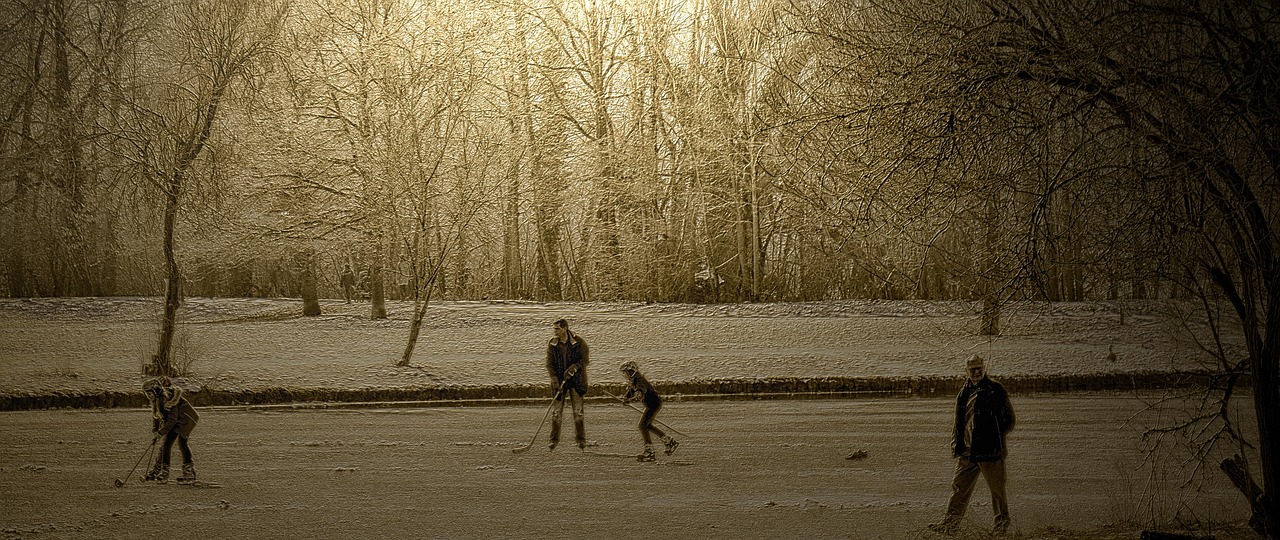
Part of hockey’s popularity in Canada comes from climate. In much of the country, winter historically created natural conditions for skating, pond hockey, outdoor rinks, and community ice surfaces. Even as indoor arenas became the center of organized hockey, the image of the outdoor rink remained central to the sport’s Canadian identity. For many players, the path into hockey begins not with professional ambition but with skating lessons, family traditions, neighborhood games, or local minor hockey.
Hockey also has a strong regional character in Canada. In Quebec, the sport is tied to language, identity, and the history of the Montreal Canadiens. In Ontario, hockey is deeply connected to youth development, junior leagues, the Toronto Maple Leafs, and a dense network of local associations. In Alberta, Saskatchewan, and Manitoba, hockey culture often reflects prairie town life, community arenas, and intense local rivalries. In British Columbia, hockey sits alongside skiing, soccer, lacrosse, and outdoor recreation, but still has a major presence through the Vancouver Canucks, junior hockey, and local development systems. In Atlantic Canada, hockey carries strong community weight, especially through junior teams, university hockey, and local heroes.
At the same time, Canada’s hockey culture is not static. Basketball, soccer, football, baseball, mixed martial arts, tennis, and other sports have grown in visibility, especially in larger and more diverse urban areas. Hockey remains central, but it also faces challenges related to cost, access, changing demographics, safety concerns, and competition from other sports. Equipment, ice time, travel teams, tournaments, and coaching can make organized hockey expensive compared with sports that require less infrastructure.
Women’s hockey has also become an increasingly important part of Canada’s hockey identity. Canadian women have been central to the growth of the international women’s game, particularly through Olympic competition and the rivalry with the United States. The rise of professional women’s hockey has created new visibility for elite female players and new pathways for girls entering the sport.
Hockey Teams, Leagues, and Competitions in Canada
Canada’s hockey structure is one of the deepest in the world, stretching from local minor hockey to the NHL. The country’s highest-profile teams play in the National Hockey League: the Montreal Canadiens, Toronto Maple Leafs, Ottawa Senators, Winnipeg Jets, Calgary Flames, Edmonton Oilers, and Vancouver Canucks. Each franchise carries a different regional identity. The Canadiens are the NHL’s most decorated franchise and a symbol of Quebec hockey. The Maple Leafs are one of the sport’s most valuable and widely followed teams. The Oilers are tied to the legacy of Wayne Gretzky, Mark Messier, and the dynasty years of the 1980s. The Flames, Canucks, Senators, and Jets each anchor major regional fan bases.
Below the NHL, junior hockey is one of the most important parts of the Canadian system. The Canadian Hockey League includes the Ontario Hockey League, Western Hockey League, and Quebec Maritimes Junior Hockey League. These leagues serve as major development pathways for NHL prospects, national team players, and professional players around the world. Junior hockey is also a major cultural institution in many Canadian cities and towns, where local teams can be more accessible and community-centered than NHL franchises.
The Memorial Cup is one of the signature competitions in Canadian junior hockey. It brings together the champions of the CHL’s major junior leagues and a host team, creating one of the most important tournaments for young players in the country. For many Canadian hockey fans, junior hockey provides a closer connection to player development, local identity, and the future of the professional game.
Canada also has strong university hockey through U Sports. While it does not function exactly like NCAA hockey in the United States, Canadian university hockey provides an important competitive pathway for players after junior hockey and for student-athletes who continue playing at a high level. College and university hockey also contribute to regional sports culture, especially in communities where campus athletics are locally significant.
Women’s hockey in Canada has grown through national team success, university competition, grassroots development, and professional opportunities. Canadian women’s national teams have produced some of the sport’s defining players and moments. The growth of professional women’s hockey has created a more visible platform for elite players and a stronger destination for young girls who want to remain in the sport.
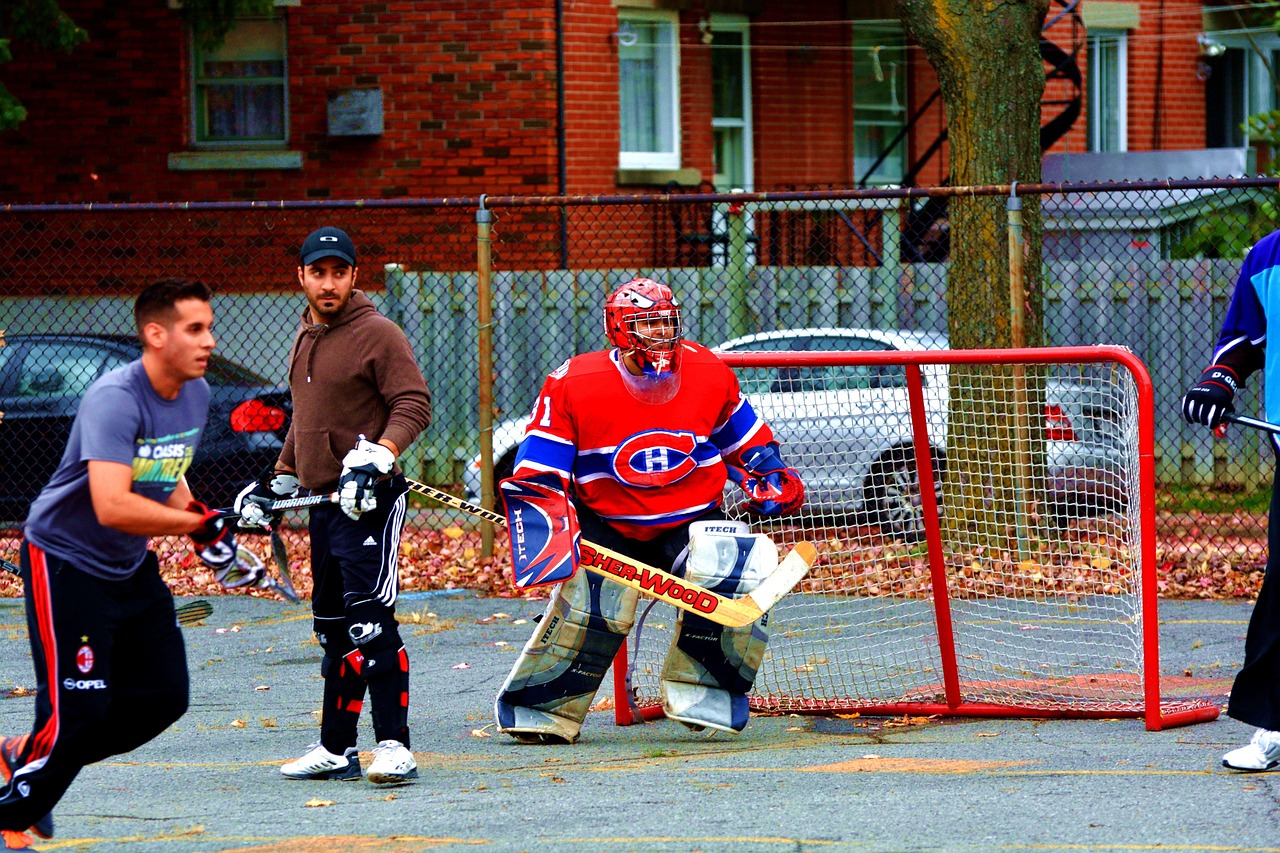
Senior hockey, minor hockey, adult recreational leagues, Indigenous tournaments, school hockey, and community competitions also matter. Canada’s hockey landscape is not only the NHL and major junior hockey. It includes thousands of local teams and associations that keep the sport embedded in everyday life. In many towns, the arena is one of the most important public spaces, hosting minor hockey games, figure skating, public skating, tournaments, fundraisers, and community events.
Famous Hockey Players from Canada
Canada has produced many of the most famous hockey players in history. The list is long enough that no single overview can capture every major name, but several players are central to Canada’s hockey identity.
Wayne Gretzky is widely regarded as the greatest hockey player of all time. Born in Brantford, Ontario, Gretzky became the defining figure of the Edmonton Oilers dynasty and later helped expand hockey’s visibility in the United States through his move to the Los Angeles Kings. His records, playmaking ability, and influence on the modern game remain unmatched.
Mario Lemieux, from Montreal, Quebec, is another towering figure in Canadian hockey. His combination of size, skill, scoring ability, and creativity made him one of the most dominant players in NHL history. Lemieux’s career with the Pittsburgh Penguins, along with his later role as team owner, made him one of the sport’s most significant figures both on and off the ice.
Bobby Orr, from Parry Sound, Ontario, transformed the role of the defenseman. His skating, offensive instincts, and control of the game changed how defensemen could influence attack and tempo. Gordie Howe, from Saskatchewan, became one of hockey’s most enduring icons, known for his scoring, physicality, longevity, and connection to the older era of the NHL.
Canada’s player tradition extends across generations. Maurice “Rocket” Richard became a symbol of the Montreal Canadiens and francophone pride. Jean Béliveau represented skill, leadership, and class within the Canadiens dynasty. Mark Messier, Steve Yzerman, Sidney Crosby, Connor McDavid, Nathan MacKinnon, Patrick Roy, Martin Brodeur, Ray Bourque, Joe Sakic, Jarome Iginla, Hayley Wickenheiser, Marie-Philip Poulin, and many others have shaped the sport nationally and internationally.
Women’s hockey deserves specific attention in any Canadian hockey overview. Hayley Wickenheiser became one of the most important players in the history of the women’s game, combining Olympic success, leadership, and long-term influence. Marie-Philip Poulin has become one of Canada’s defining clutch performers, especially in Olympic gold medal games. Canadian women’s players have helped build the sport not only through medals but through visibility, advocacy, coaching, and professional development.
Canada’s player pipeline is also geographically broad. Ontario and Quebec have produced huge numbers of elite players, but the Prairies, British Columbia, Atlantic Canada, and northern communities have all contributed to the country’s hockey identity. The depth of Canadian hockey is not just that it produces superstars; it is that it produces players, coaches, officials, and hockey people at nearly every level of the sport.
Youth Hockey and Player Development in Canada
Youth hockey is the foundation of Canada’s hockey system. Most Canadian players begin through local minor hockey associations, skating programs, house leagues, or community clubs. From there, players may move into travel hockey, school hockey, elite development programs, junior leagues, university hockey, professional hockey, or adult recreational leagues. The system is broad enough to serve both casual players and elite prospects, although access and cost remain major issues.
Minor hockey in Canada is usually organized by age group and skill level. Children often begin with learn-to-skate or initiation programs before moving into structured teams. House league hockey provides a recreational environment, while rep and travel hockey create more competitive pathways. In stronger hockey regions, the competition for elite teams can begin early, with families investing heavily in coaching, equipment, tournaments, camps, and off-ice training.
The junior hockey system is one of Canada’s most distinctive development structures. Major junior leagues in the CHL are the most visible pathway for many elite teenage players, especially those aiming for the NHL. Junior A, Junior B, and other regional levels also play important roles, giving players different routes depending on age, ability, geography, academics, and long-term goals. Some players choose NCAA pathways through Canadian junior leagues that preserve college eligibility, while others move through major junior into professional hockey.
Rink access is central to development. In many Canadian communities, the local arena is where children first encounter organized hockey. In larger cities, ice time can be limited and expensive. In rural areas, hockey may be culturally strong but dependent on population size, volunteer coaches, travel distances, and arena funding. In northern and remote communities, hockey can be deeply loved but shaped by infrastructure, weather, transportation, and cost barriers.
Girls’ hockey has grown significantly, supported by national team success, local associations, school programs, and professional visibility. More girls now have access to female-specific teams, elite development pathways, university opportunities, and professional role models. The continued growth of girls’ and women’s hockey is one of the most important parts of Canada’s future hockey landscape.
Canada’s development system is also under pressure to adapt. Concerns about affordability, specialization, injury risk, burnout, and inclusivity have become more prominent. The strongest future for Canadian hockey likely depends on keeping the sport competitive at the elite level while making it easier for more children to play, regardless of income, background, gender, geography, or family experience with the sport.
The Future of Hockey in Canada
The future of hockey in Canada is secure in one sense and contested in another. The sport will remain one of the country’s defining games, with strong professional teams, elite player development, deep junior traditions, and a powerful place in national memory. Canada will continue producing NHL stars, international contenders, women’s hockey leaders, and local hockey communities.
The larger question is how accessible and representative the sport will be. Hockey’s next stage in Canada depends on affordability, rink availability, safety, coaching quality, diversity, and the growth of girls’ and women’s hockey. The game’s cultural strength has never depended only on superstars or championships. It has depended on whether hockey remains connected to ordinary communities.
Canada’s hockey identity is strongest when the sport belongs to more than the professional level. From NHL arenas to frozen ponds, from junior teams to local rinks, from Olympic memories to Saturday morning practices, hockey in Canada remains a national game because it continues to operate at every scale: professional, regional, local, family, and personal.
























Interested in Sports in Canada?
American Football in Canada | Baseball in Canada | Basketball in Canada | Cricket in Canada | Football (Soccer) in Canada | Rugby in Canada