Hockey in Edmonton is central to the city’s sports identity. The Edmonton Oilers give the city one of the most famous franchises in NHL history, but Edmonton hockey is also shaped by community rinks, junior hockey, youth development, Alberta’s winter culture, and a local fan base that treats the sport as part of civic life.
Edmonton is one of the clearest examples of a Canadian hockey city where the professional team and the grassroots game are connected. The Oilers carry the city’s global hockey reputation, especially through the Wayne Gretzky dynasty years and the modern Connor McDavid era. But the everyday hockey culture of Edmonton is also found in minor hockey, local arenas, school and club programs, outdoor winter traditions, and the city’s role within Alberta’s larger hockey system.
The Hockey Identity of Edmonton
Edmonton’s hockey identity is intense, proud, and deeply local. It is not just that the city has an NHL team. It is that the Oilers have given Edmonton a place in the mythology of the sport. Few cities are so strongly linked to one historic team era. The Oilers of the 1980s, led by Wayne Gretzky, Mark Messier, Jari Kurri, Paul Coffey, Grant Fuhr, Glenn Anderson, and others, became one of the defining dynasties in NHL history.
That dynasty still shapes how Edmonton understands hockey. The city has seen the highest level of offensive brilliance, championship pressure, and national attention. The Oilers joined the NHL in 1979 after beginning in the World Hockey Association, and they quickly became one of the league’s most famous teams.
Edmonton’s hockey identity is also defined by its rivalry with Calgary. The Battle of Alberta gives the Oilers’ story a provincial edge. Hockey in Edmonton is not just about watching the local team. It is about measuring the city against its southern rival, defending local pride, and seeing the Oilers as part of Alberta’s competitive sports identity.
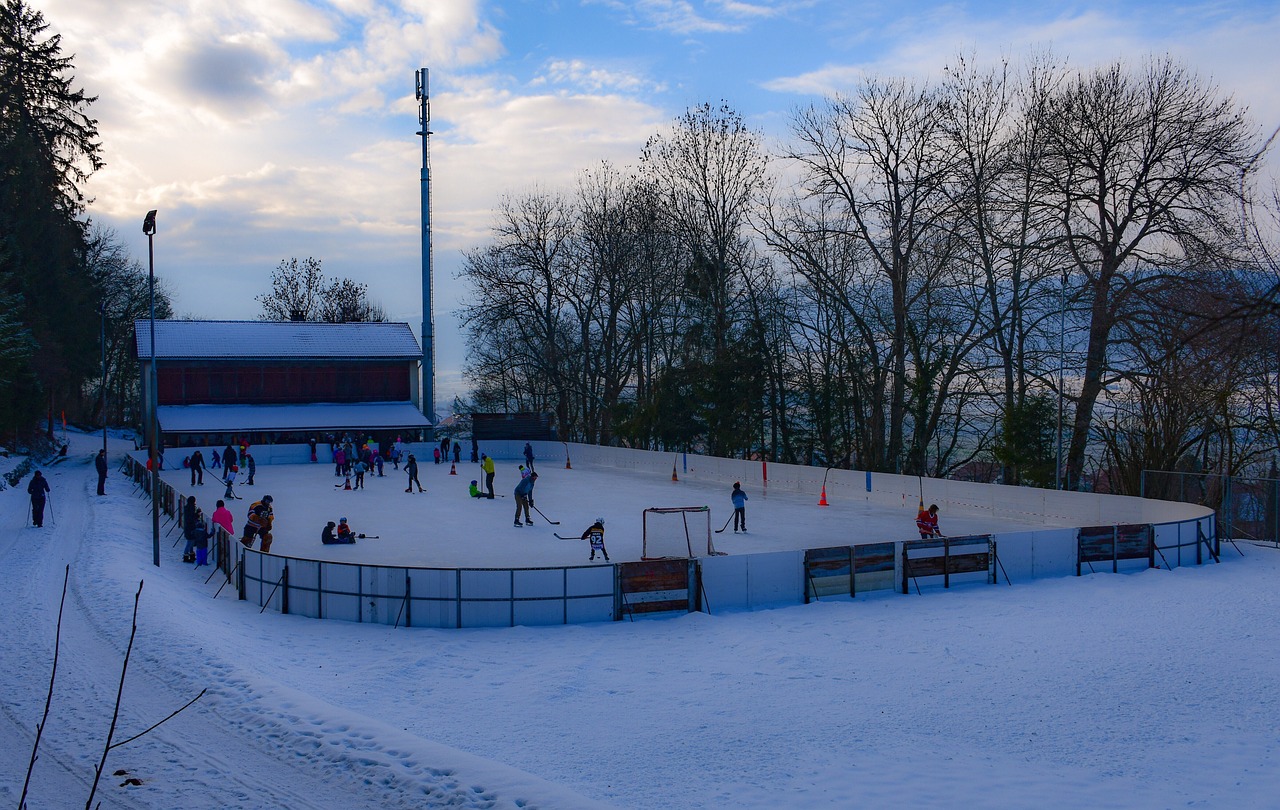
The city’s hockey culture is also practical and grassroots. Edmonton has cold winters, community rinks, and a population that understands hockey from the inside. Fans are not just spectators. Many grew up playing, coaching, skating, volunteering, or spending time in local arenas.
Hockey Teams and Local Competitions in Edmonton
The Edmonton Oilers are the city’s main hockey institution. The team plays at Rogers Place, which opened in 2016 and replaced Northlands Coliseum as the Oilers’ home arena. Rogers Place also hosts the WHL’s Edmonton Oil Kings, making it a shared stage for both NHL and major junior hockey in the city.
The Oilers’ history gives Edmonton a global hockey reputation. The franchise’s move from the WHA into the NHL, its 1980s Stanley Cup dynasty, and its later star eras have made the team one of the sport’s most recognizable brands. The modern Oilers, led in recent years by Connor McDavid and Leon Draisaitl, have kept Edmonton at the center of NHL attention.
The Edmonton Oil Kings add another important layer. As a Western Hockey League team, the Oil Kings connect the city to major junior hockey, which is one of the most important development systems in Canada. Junior hockey matters in Edmonton because it gives fans a different relationship to the sport. The NHL team represents the top level, while the Oil Kings represent the development stage where future professional players are still forming.
The city’s hockey ecosystem also includes minor hockey, recreational leagues, school and community programs, and local tournaments. Edmonton’s hockey identity is not only built through professional spectacle. It is built through the repeated rhythm of practices, games, early mornings, community arenas, and families moving through the local hockey calendar.
Rinks, Neighborhoods, and Hockey Geography in Edmonton
The hockey map of Edmonton extends across the city and into the surrounding region. Rogers Place gives Edmonton a downtown hockey center, but much of the sport’s daily life happens in community arenas, suburban facilities, and local rinks. This is typical of major Canadian hockey cities: the NHL team may be the most visible institution, but the community rink is where the sport becomes personal.
Edmonton’s geography also places it inside a larger Alberta hockey culture. The city is connected to northern and central Alberta communities where hockey is often one of the main winter activities. Players from the surrounding region may travel into Edmonton for stronger competition, higher-level programs, or development opportunities.
The cold climate helps shape the sport’s identity, but modern hockey in Edmonton is not only about outdoor ice. Like other Canadian cities, Edmonton depends on indoor arenas, organized minor hockey, and structured competition. The local rink network gives the sport its depth. Without those facilities, hockey would be mostly a spectator identity. With them, it becomes a participation culture.
Youth Hockey and Player Development in Edmonton
Youth hockey in Edmonton is built on minor hockey, community rinks, coaching, family involvement, and access to competitive pathways. Young players can begin in local programs before moving into higher levels of club hockey, school hockey, elite youth competition, junior hockey, or college and university opportunities.
The city’s development environment benefits from Edmonton’s hockey seriousness. Because the sport is deeply understood locally, young players are surrounded by coaches, parents, volunteers, former players, and fans who know the game. That does not guarantee elite development, but it creates a strong hockey atmosphere. Children grow up with the sport as a visible part of the city.
The Oilers also help youth hockey by giving players a local dream. A young player in Edmonton does not have to imagine hockey as something distant. The NHL is downtown. The WHL is downtown. The sport’s highest levels are visible, and that visibility can help sustain interest across childhood and adolescence.
At the same time, Edmonton faces the same youth hockey challenges seen across Canada. Equipment, ice time, travel, tournament fees, and elite development costs can make hockey expensive. The city has a strong hockey base, but the future of development depends on keeping the sport accessible to families beyond those who can afford the most competitive pathways.
Famous Hockey Players and Local Hockey Figures from Edmonton
Edmonton’s most famous hockey figures are closely tied to the Oilers. Wayne Gretzky is the defining name. His years in Edmonton transformed the Oilers into a dynasty and made the city one of the most important places in hockey history. Mark Messier, Jari Kurri, Paul Coffey, Grant Fuhr, Glenn Anderson, and other stars from that era helped build a team that still shapes the city’s identity.
Later Oilers stars added new layers to Edmonton hockey. Ryan Smyth became a symbol of loyalty and emotional connection to the franchise. Connor McDavid brought Edmonton back to the center of the NHL’s skill conversation, while Leon Draisaitl became one of the league’s most dominant offensive players. The modern Oilers have kept Edmonton from becoming only a nostalgia market. They have given the city a present-tense hockey identity.
Edmonton also has a broader player-development story through Alberta hockey, junior hockey, and local programs. The city has produced, hosted, and developed players who moved through minor hockey, WHL competition, university hockey, and professional systems. In Edmonton, famous hockey figures are not only local-born athletes. They are also the players, coaches, and builders who made the Oilers and Oil Kings central to the city’s civic identity.
Women’s and Girls’ Hockey in Edmonton
Women’s and girls’ hockey in Edmonton is part of the city’s larger hockey culture, but it still has room to grow in visibility. Girls’ programs, minor hockey, school-age competition, and elite development pathways give young female players a place in the sport. Edmonton’s strong rink network and hockey knowledge base can support that growth.
The challenge is making sure girls’ hockey is not treated as secondary in a city where men’s professional hockey dominates the public conversation. Women’s hockey needs ice time, coaching, competitive teams, and visible role models. Alberta has produced important women’s hockey players, and Edmonton’s place within the province’s hockey system gives the city a foundation to build on.
As women’s professional hockey grows across North America, Edmonton has the ingredients to become a stronger women’s hockey market: knowledgeable fans, facilities, youth participation, and a city that already treats hockey as a serious sport.
The Future of Hockey in Edmonton
The future of hockey in Edmonton is not about whether the sport belongs. Hockey is already one of the city’s defining institutions. The future is about sustaining depth: keeping minor hockey accessible, supporting girls’ hockey, maintaining community rinks, and giving young players realistic pathways into higher levels of the sport.
The Oilers will continue to shape the city’s hockey reputation, but Edmonton’s long-term strength depends on more than the NHL. It depends on the connection between Rogers Place and the community rink, between professional stars and young players, and between the city’s historic hockey identity and the next generation that will inherit it.


Interested in Sports in Edmonton?
American Football in Edmonton | Baseball in Edmonton | Basketball in Edmonton | Cricket in Edmonton | Football (Soccer) in Edmonton