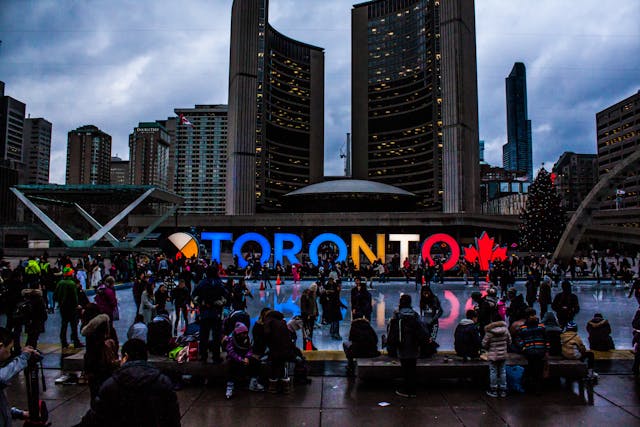
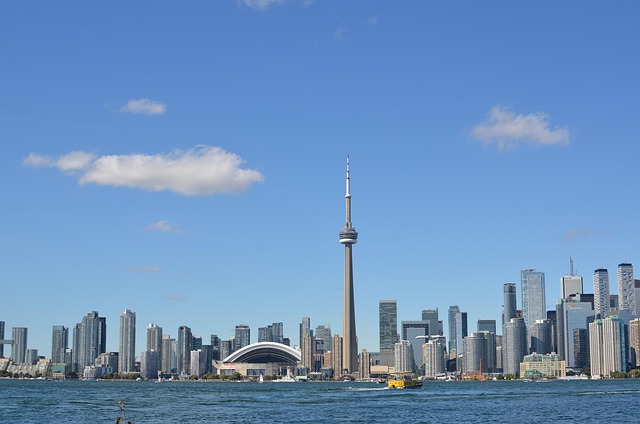
Toronto is one of the most important hockey cities in the world. The city is home to the Toronto Maple Leafs, one of the NHL’s historic Original Six franchises, and the Toronto Sceptres, one of the PWHL’s original teams. It is also the center of the Greater Toronto Area, one of the deepest player-development regions in Canada. Toronto hockey is not just about one team or one arena. It is a full ecosystem built from NHL history, women’s professional hockey, minor hockey, suburban rinks, junior pathways, college and university programs, and constant media attention. The result is a hockey city with both tradition and pressure: Toronto expects hockey to matter.
The Hockey Identity of Toronto
Toronto’s hockey identity is shaped by scale. Few cities have as many players, fans, rinks, teams, training programs, and hockey conversations happening at the same time. The Maple Leafs give the city its most visible hockey identity, but the sport extends far beyond Scotiabank Arena. Across the GTA, hockey lives in suburban arenas, private training facilities, local associations, school programs, adult leagues, and family routines.
Toronto is also a city where hockey is watched closely. The Maple Leafs are not simply a local team; they are a national media subject. Every roster decision, playoff result, coaching change, prospect, contract, and losing streak can become part of a larger public conversation. That attention gives Toronto hockey an intensity that few markets can match.
The city’s hockey culture is also broader than the men’s professional game. The Toronto Sceptres have given the city a major women’s professional team in the PWHL, with the league identifying Toronto as one of its teams and presenting it as part of a new era of women’s hockey.
Hockey Teams and Local Competitions in Toronto
The Toronto Maple Leafs are the central hockey institution in the city. Their history, fan base, rivalries, and connection to the NHL’s Original Six era make them one of the sport’s signature franchises. The Leafs give Toronto its most famous hockey stage, but they also create a level of expectation that shapes how hockey is discussed throughout the city.
Toronto’s professional hockey landscape now also includes the Toronto Sceptres of the PWHL. The Sceptres compete in the Professional Women’s Hockey League and are based in Toronto, giving the city a major women’s hockey platform alongside its long-standing NHL identity. The team’s presence matters because Toronto has always been a major women’s hockey region, producing and attracting elite players through clubs, universities, national-team systems, and now professional competition.
Below the professional level, Toronto’s hockey structure is dense. The city and surrounding GTA include minor hockey associations, competitive youth clubs, school teams, adult recreational leagues, and development programs. The Ontario Hockey League also gives the broader region a major junior pathway, even when individual teams sit outside the city proper. Toronto-area players can move through local associations, elite youth programs, junior hockey, NCAA or U Sports opportunities, and eventually professional or national-team competition.
This layered structure is what makes Toronto different from a city that only has a popular NHL team. Toronto is a hockey market, but it is also a hockey machine.
Rinks, Neighborhoods, and Hockey Geography in Toronto
Toronto hockey is best understood as a metro-area sport. The city itself matters, but the broader GTA is essential. Much of the day-to-day hockey life happens in suburban rink networks across places such as Mississauga, Brampton, Vaughan, Markham, Richmond Hill, Scarborough, Etobicoke, North York, Oakville, Pickering, Ajax, and Oshawa.
That geography gives Toronto hockey enormous depth. A young player in the GTA can often find multiple levels of competition without leaving the region. House league, select, rep, academy, girls’ hockey, private training, summer tournaments, and showcase events all exist within a crowded hockey map.
The same geography also creates pressure. Ice time is valuable. Travel teams can be expensive. Competition for roster spots can be intense. Toronto’s hockey advantage is not just that it has rinks; it is that it has enough players and families to make the entire system highly competitive.
Youth Hockey and Player Development in Toronto
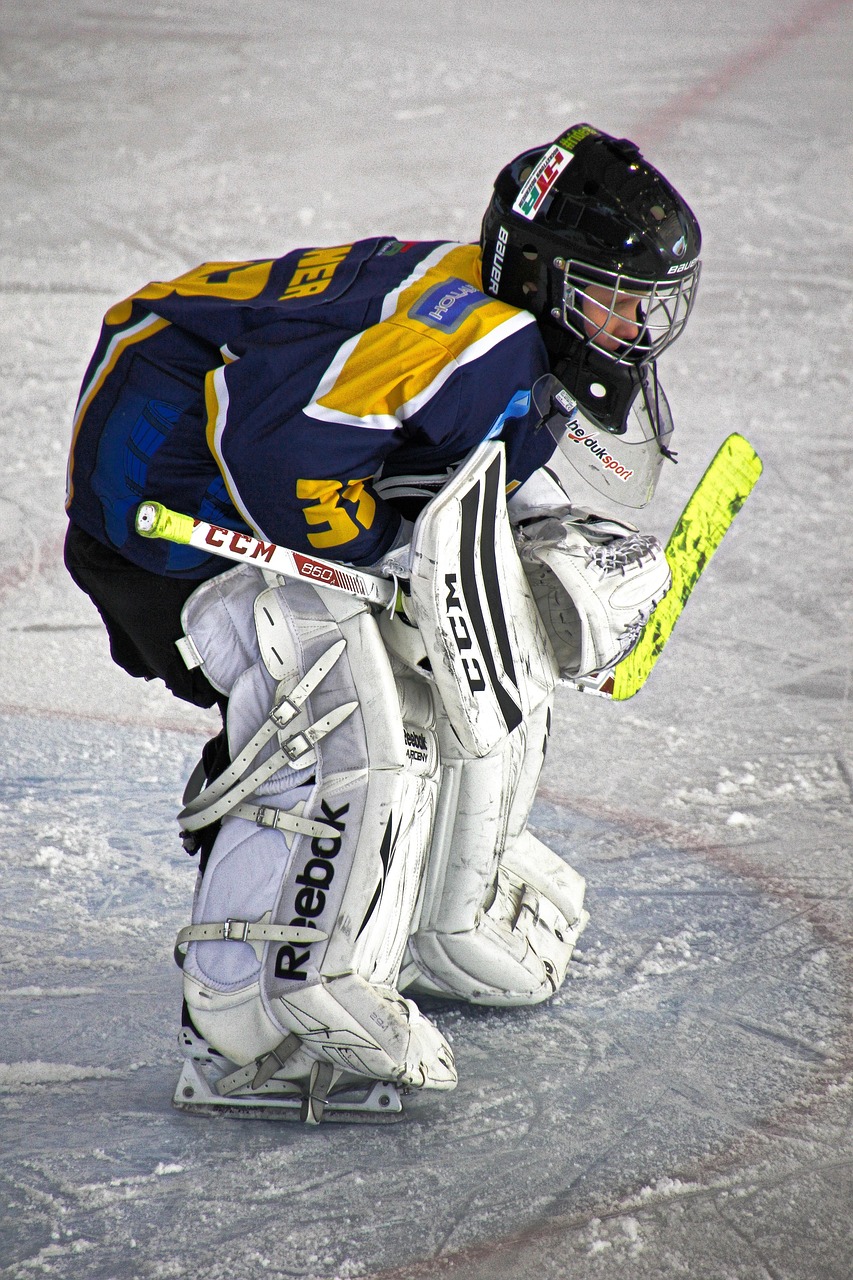
Youth hockey in Toronto is one of the strongest development systems in the sport. The GTA produces a large number of elite players because it combines population, facilities, coaching, competition, and visibility. Players grow up surrounded by hockey, whether through local associations, elite clubs, school programs, private training, or family connections to the sport.
The Toronto pathway is not simple or cheap. Competitive hockey in the GTA often involves travel, specialized coaching, early tryouts, year-round training, and heavy family investment. That makes the region productive, but also demanding. Toronto can produce elite players partly because the system is so deep, but that depth can also make the sport difficult for families without money, time, or access to strong local programs.
Girls’ hockey is a major part of the development picture. Toronto and the surrounding region have long been important to women’s hockey in Canada, and the presence of the Sceptres gives young players a visible professional endpoint. That connection between youth hockey, elite women’s competition, and national-team dreams is one of the city’s strongest modern hockey assets.
Famous Hockey Players and Local Hockey Figures from Toronto
Toronto and the GTA have produced a long list of elite hockey players, coaches, executives, and builders. The broader region has helped shape the NHL, women’s hockey, junior hockey, and international competition. Because the player pool is so large, Toronto’s hockey identity is not tied to one or two names. It is tied to volume.
The city has produced NHL stars, role players, goaltenders, coaches, and executives across generations. It has also been home to major women’s hockey figures who have passed through local clubs, university programs, national-team systems, and professional teams. For Toronto, the player-production story is not only about birthplace. It is also about development. Many players from surrounding communities are part of the Toronto hockey ecosystem because they trained, competed, or were scouted through the GTA.
The Maple Leafs also create another kind of hockey figure: the local icon. A player does not need to be from Toronto to become part of Toronto hockey history. If he performs for the Leafs in a major moment, he becomes part of the city’s hockey memory.
Women’s and Girls’ Hockey in Toronto
Women’s and girls’ hockey in Toronto has become one of the city’s most important hockey stories. The Sceptres give the city a major professional women’s team, while girls’ programs throughout the GTA provide a strong participation base. Toronto is also connected to Canada’s national-team system, university hockey, and elite development programs.
The professional visibility matters. Young players can now see women competing at a high level in their own city, not only during the Olympics or world championships. That helps make girls’ hockey feel like a permanent part of the Toronto hockey landscape rather than a side category.
The Future of Hockey in Toronto
The future of hockey in Toronto is not about proving that the sport belongs. It already does. The bigger questions are access, affordability, rink availability, and whether the city can keep its development system open to more families.
Toronto will remain one of hockey’s most powerful cities because it has history, population, teams, media attention, and an enormous player base. Its next challenge is making sure that the sport’s depth does not become too expensive or exclusive. If the city can keep growing girls’ hockey, support community rinks, and maintain pathways for players from different backgrounds, Toronto will remain one of the defining hockey centers in North America.






Interested in Sports in Toronto?
American Football in Toronto | Baseball in Toronto | Basketball in Toronto | Cricket in Toronto | Football (Soccer) in Toronto | Rugby in Toronto