Massachusetts is mostly ice hockey, with Boston as the professional and college anchor, the Merrimack Valley and North Shore as old-school player-producing territory, Central and Western Massachusetts as college/minor-league hubs, and a smaller but real field hockey layer through Boston College, Harvard, Boston University, UMass, Northeastern, and school/prep corridors.
The historical frame is strong: the Bruins are the NHL’s oldest American franchise, Hockey East’s official history places Boston College, Boston University, Northeastern, UMass, UMass Lowell, and Merrimack inside one of the sport’s defining college ecosystems, and Massachusetts Hockey’s district structure shows how widely the youth game is organized across the state.
Hockey in Massachusetts is one of the strongest state-level hockey cultures in the United States. The sport is tied to Boston’s professional history, New England prep schools, town youth programs, high school rivalries, college hockey, women’s hockey, and a deep player-development pipeline that has shaped the American game for generations. Massachusetts is not just a state with hockey teams. It is one of the places where American hockey became organized, visible, and culturally durable.
The Boston Bruins give Massachusetts one of the oldest and most important professional hockey identities in the country. Founded in 1924, the Bruins became the NHL’s first American franchise and one of the league’s Original Six teams. That gives Massachusetts a foundational place in U.S. hockey history, not simply a local NHL fan base.
But hockey in Massachusetts is bigger than the Bruins. The state also has one of the deepest college hockey ecosystems in North America, with Boston College, Boston University, Harvard, Northeastern, UMass, UMass Lowell, Merrimack, Holy Cross, American International, Bentley, and other programs contributing to the state’s hockey identity. Add prep schools, public high school hockey, elite youth clubs, the Beanpot, the Boston Fleet, and generations of NHL and Olympic players, and Massachusetts becomes one of the clearest examples of hockey as a full regional ecosystem.
The History of Hockey in Massachusetts
The history of hockey in Massachusetts is closely tied to the rise of organized hockey in the United States. New England’s cold winters, schools, colleges, urban athletic clubs, and proximity to Canada helped the sport take root earlier than in much of the country. Hockey found a natural home in Boston and the surrounding region because the area already had strong school-based athletics, indoor arenas, and a sports culture willing to support new forms of competition.
The Bruins are the defining professional milestone. When Boston entered the NHL in 1924, it gave the league its first American team and helped turn hockey from a Canadian-centered professional sport into a North American league. The Bruins played their first NHL game in Boston on December 1, 1924, defeating the Montreal Maroons at Boston Arena. That moment gave Massachusetts a permanent place in NHL history.
College hockey also became central to the state’s hockey development. Boston and Cambridge offered a rare concentration of universities, athletic departments, arenas, and rivalries. Over time, Massachusetts became one of the most important college hockey states in the country. The Beanpot, played among Boston College, Boston University, Harvard, and Northeastern, became more than a tournament. It became a local hockey institution that linked college pride, city identity, player development, and Boston’s winter sports calendar.
Youth and high school hockey expanded the sport beyond elite institutions. Massachusetts towns built rinks, local programs, school teams, and competitive youth associations. The state’s hockey culture became especially strong in Greater Boston, the North Shore, the South Shore, Central Massachusetts, and parts of Western Massachusetts. The result was a layered hockey history: NHL at the top, college hockey at the center, and town-based youth and school hockey underneath.
Where Hockey Fits in Massachusetts Sports Culture
Hockey in Massachusetts sits in a crowded sports market, but it has a stronger cultural position than in most U.S. states. Boston is famous for the Red Sox, Celtics, Patriots, and Bruins, yet hockey has never been just a fourth professional option. The Bruins’ history, the intensity of local college hockey, and the state’s youth participation culture give the sport roots that run deeper than simple NHL fandom.
The state’s hockey culture is especially local. Massachusetts hockey is not only about watching the Bruins at TD Garden. It is also about town rinks, school colors, prep programs, college rivalries, youth tournaments, adult leagues, and families organizing winter schedules around practices and games. In many communities, hockey is part of the seasonal rhythm of the year.
Massachusetts also has a distinctive New England hockey identity. The sport here is tied to compact geography. Unlike large western states where teams and players may be separated by long travel distances, many Massachusetts hockey communities are close together. That creates dense rivalries, heavy competition, and constant movement between youth clubs, high schools, prep schools, junior programs, and college recruiting networks.
The sport is also socially layered. Public high school hockey, private school hockey, prep school hockey, elite club hockey, recreational hockey, and college hockey all coexist. That gives Massachusetts unusual hockey depth, but it also creates the same access questions seen across the sport nationally. Ice time, equipment, travel programs, and elite development can be expensive. The state has strong infrastructure, but cost still shapes who can move through the system.
Massachusetts is therefore best understood as a hockey hotbed with multiple identities: Bruins country, college hockey capital, prep-school pipeline, youth-hockey machine, and women’s hockey growth market.
Teams, Leagues, and Hockey Institutions in Massachusetts
The Boston Bruins are the state’s flagship hockey institution. As the NHL’s oldest American franchise, the Bruins give Massachusetts a professional identity that stretches back a full century. The club’s history connects Boston to the Original Six era, Stanley Cup tradition, iconic players, and some of the most intense rivalries in the sport.
The Bruins also support youth hockey programming, including Learn to Play and Bruins Academy initiatives that introduce children to the sport and help build a basic foundation for young players. These programs matter because NHL teams are no longer just professional entertainment brands; they are also entry points into the local youth-hockey ecosystem.
Professional women’s hockey now has a major Massachusetts presence as well. The Boston Fleet compete in the Professional Women’s Hockey League and are based in the Greater Boston area, with home games at Tsongas Center in Lowell. The PWHL’s Boston franchise was one of the league’s original teams, continuing the region’s professional women’s hockey presence after earlier Boston-area women’s teams helped establish the city as a serious women’s hockey market.
College hockey may be the state’s deepest institutional layer. Boston College and Boston University are national powers with long histories of producing NHL players and international talent. Harvard gives the state an Ivy League hockey tradition. Northeastern has become increasingly important in both men’s and women’s hockey. UMass won the 2021 NCAA men’s national championship, giving Western Massachusetts a major modern hockey milestone. UMass Lowell, Merrimack, Holy Cross, Bentley, American International, and other programs add further depth.
The Beanpot is the signature local college event. It turns college hockey into a Boston civic ritual, bringing together Boston College, Boston University, Harvard, and Northeastern in a tournament that matters far beyond the standings. It is one of the reasons Massachusetts college hockey feels unusually connected to city identity.
Below the college level, Massachusetts has a dense youth and junior hockey landscape. Programs such as the Boston Junior Bruins and other elite youth organizations help move players toward junior, college, and professional opportunities. The Junior Bruins describe themselves as a major amateur program with a long record of advancing players to college and professional hockey.
Together, these institutions make Massachusetts one of the most complete hockey states in the country: NHL, PWHL, NCAA, prep, high school, youth, junior, adult recreational hockey, and local rink culture all operate in the same compact region.
Famous Hockey Players from Massachusetts
Massachusetts has produced one of the strongest player pools in American hockey. The state’s contribution includes NHL stars, college legends, Olympic players, women’s hockey standouts, coaches, and builders. Its player-development reputation is built not only on raw numbers, but on the number of players who have moved through local schools, colleges, prep programs, and youth organizations into major hockey roles.
Several of the most recognizable American hockey figures have Massachusetts ties. Keith Tkachuk, born in Melrose, became one of the most productive American power forwards of his era and helped establish a family legacy continued by Matthew and Brady Tkachuk. Tony Amonte, from Hingham, became a major NHL scorer and U.S. national team player. Jeremy Roenick, while born outside the state, is closely associated with Massachusetts development through his youth and prep hockey background. Bill Guerin, from Worcester, became a Stanley Cup winner, Olympian, and later NHL executive.
Massachusetts has also produced important defensemen, goaltenders, and college stars. The state’s hockey identity is not limited to one type of player. It has developed skilled forwards, hard-nosed competitors, mobile defensemen, and goaltenders who moved through the local system before reaching higher levels.
Women’s hockey adds another major layer. Massachusetts has produced and developed players who became central to the U.S. women’s national team, NCAA hockey, and professional women’s hockey. The Boston area’s concentration of college programs has also made the state a magnet for elite women’s players from elsewhere. That means Massachusetts is not only a birthplace pipeline; it is also a development and competition hub.
The state’s player story is inseparable from its institutions. Many players are shaped by town hockey, then high school or prep hockey, then college programs, then junior or professional opportunities. Massachusetts produces players because it has a complete hockey ladder.
Youth Hockey and Player Development in Massachusetts
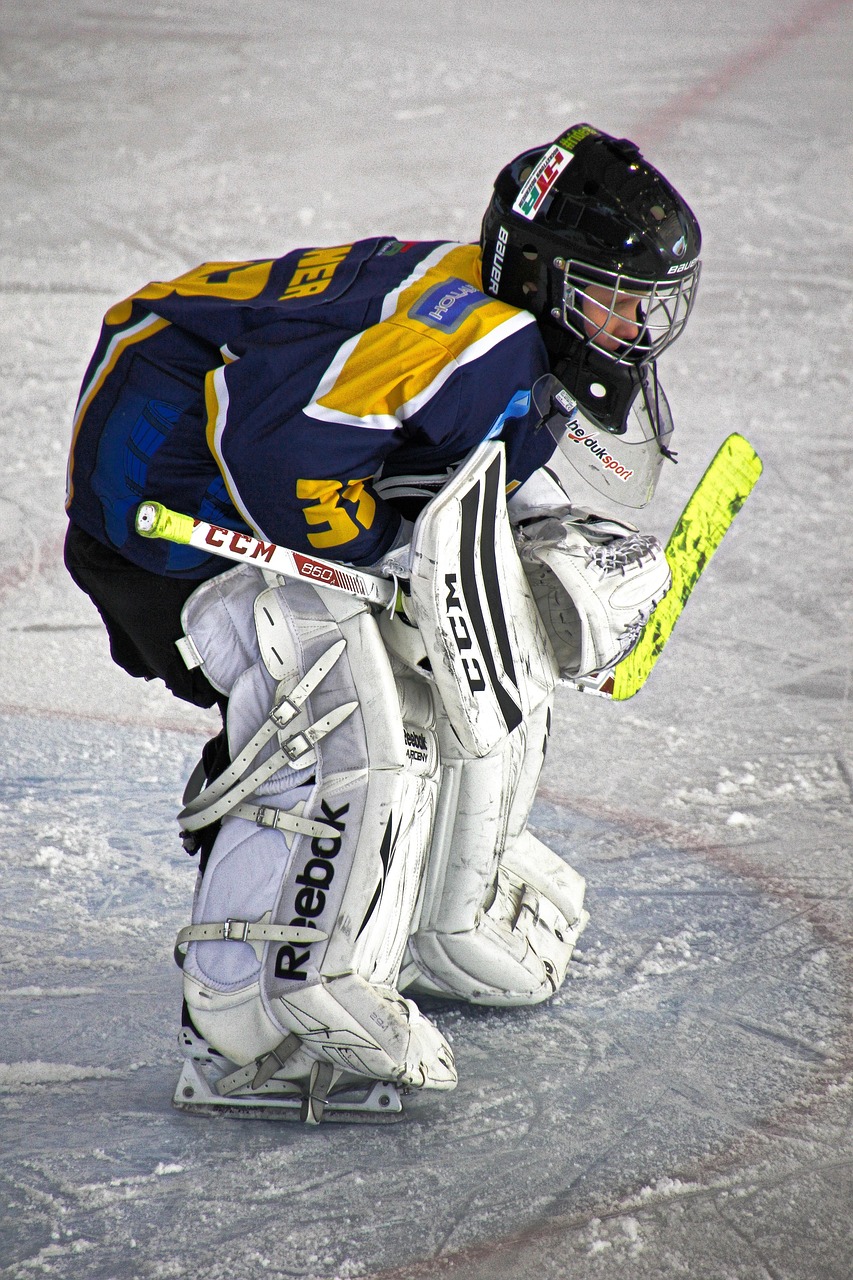
Youth hockey in Massachusetts is one of the strongest parts of the state’s sports ecosystem. The state has enough rinks, programs, schools, coaches, and competitive levels to support players from learn-to-skate through elite development. That infrastructure gives Massachusetts a major advantage over states where hockey interest may exist but rink access remains limited.
The development pathway can take several forms. Some players begin in town youth hockey and continue into public high school programs. Others move into elite club hockey, prep school hockey, or junior hockey. Some stay close to home and eventually play NCAA hockey within New England. Others use Massachusetts programs as a launching pad into the USHL, NAHL, Canadian junior hockey, or professional routes.
Public high school hockey remains a meaningful part of the state’s identity. In some states, elite players leave school hockey early. In Massachusetts, high school hockey still carries local pride, rivalries, and community attention, even as elite club and prep pathways have become more prominent. That balance gives the state an unusually broad hockey culture: players can develop through several different channels.
Prep school hockey is another defining feature. Massachusetts and the broader New England prep circuit attract players from across the region and beyond. These schools combine academics, hockey, exposure, and competition, making them important stepping stones toward college hockey.
The cost of hockey remains a major issue. Massachusetts has more infrastructure than most states, but ice time, equipment, club fees, travel, and private training can still make hockey expensive. The state’s challenge is not whether hockey belongs. It is whether the sport can remain accessible enough for broad participation.
Women’s and Girls’ Hockey in Massachusetts
Women’s and girls’ hockey in Massachusetts is one of the strongest parts of the state’s hockey landscape. The state has youth programs, high school teams, elite clubs, college programs, and a professional women’s team in the Boston Fleet. That gives girls in Massachusetts a visible pathway that previous generations did not have.
College hockey is especially important. Boston College, Boston University, Harvard, Northeastern, Holy Cross, Merrimack, and other programs have helped make the state a major women’s hockey center. These programs attract elite players, produce national-team talent, and give the sport a strong competitive platform.
The Boston Fleet add another layer. The PWHL gives Massachusetts a professional women’s hockey presence connected to a larger league structure, and the Fleet’s presence in Lowell keeps elite women’s hockey visible in the state. The team’s roster has included major U.S. national team players, including Hilary Knight, Aerin Frankel, and Megan Keller as foundational early signings.
The growth of girls’ hockey also changes the state’s youth landscape. Massachusetts is not only producing boys for college and professional hockey. It is part of the national rise of girls’ hockey, women’s college hockey, and professional women’s hockey.
Hockey Rinks, Communities, and Local Geography in Massachusetts
The hockey map of Massachusetts is dense. Greater Boston is the center, but the sport is not confined to the city. The North Shore, South Shore, Merrimack Valley, MetroWest, Central Massachusetts, Cape Cod, and Western Massachusetts all have hockey communities with their own rinks, schools, clubs, and rivalries.
Boston and Cambridge anchor the college game. Chestnut Hill, Allston, Brighton, Boston, Cambridge, Amherst, Lowell, Worcester, North Andover, Springfield, and Waltham all contribute to the state’s college hockey geography. Lowell also matters through the Boston Fleet and UMass Lowell, giving the Merrimack Valley a strong hockey presence.
The state’s compact geography makes competition intense. Teams do not need to travel across enormous distances to find strong opponents. That creates a dense hockey environment where local rivalries can develop quickly and where players are constantly tested against strong competition.
Massachusetts hockey also benefits from New England’s broader regional ecosystem. Players, teams, and fans connect across state lines into New Hampshire, Rhode Island, Connecticut, Vermont, Maine, and New York. Massachusetts is the center of that network, but not isolated from it.
The Future of Hockey in Massachusetts
The future of hockey in Massachusetts is not about proving the sport belongs. It is already one of the country’s most important hockey states. The real questions are access, affordability, rink availability, and continued growth in girls’ and women’s hockey.
Massachusetts has the institutions to remain a national hockey leader: the Bruins, the Fleet, major NCAA programs, prep schools, high school hockey, youth associations, and a deep player-development culture. The challenge is keeping that system open enough for new players and families to enter. If the state can maintain its rink infrastructure, support girls’ hockey, protect community-based youth programs, and keep college and professional hockey visible, Massachusetts will remain one of the defining centers of American hockey.



Interested in Sports in Massachusetts?
American Football in Massachusetts | Baseball in Massachusetts | Basketball in Massachusetts | Cricket in Massachusetts | Football (Soccer) in Massachusetts | Rugby in Massachusetts