Hockey in Boston is one of the city’s defining sports traditions. The Boston Bruins give the city its NHL identity, but Boston hockey is much bigger than one professional team. The city is also one of the most important college hockey centers in North America, with Boston College, Boston University, Northeastern, and Harvard tied together through the Beanpot, one of the sport’s most distinctive local tournaments. The Beanpot’s annual men’s tournament features Boston College, Boston University, Harvard, and Northeastern at TD Garden, giving the city a college hockey showcase that feels deeply local even when the national hockey spotlight is elsewhere.
Boston’s hockey culture is built from several layers at once: NHL history, college rivalries, prep school hockey, youth programs, adult leagues, neighborhood rinks, and New England winter identity. It is not just a city that watches hockey. It is a city where hockey is part of the regional sports language. The Bruins connect Boston to the professional game, while the colleges and local programs keep hockey active across the metro area.
Hockey Teams and Local Competitions in Boston
The Boston Bruins are the city’s main hockey institution and one of the historic franchises of the NHL. As an Original Six team, the Bruins connect Boston to the older mythology of professional hockey, alongside cities such as Montreal, Toronto, New York, Detroit, and Chicago. The team’s home at TD Garden is one of the central hockey venues in the United States, hosting Bruins games, major college hockey events, and other high-profile competitions.
College hockey gives Boston a second major hockey identity. Boston College and Boston University are both national powers with long histories of producing NHL players, Olympians, and major college stars. Northeastern and Harvard add more depth to the city’s hockey map, making Boston one of the rare American metros where college hockey can feel like a major public event. The Beanpot is the clearest example of that. It is not simply a tournament; it is a local hockey ritual that brings the city’s college programs into direct competition.
Beyond the Bruins and the major colleges, Boston’s hockey ecosystem includes high school hockey, prep school hockey, youth associations, adult recreational leagues, and local rinks across Greater Boston. The city’s hockey culture also connects naturally to surrounding Massachusetts communities, where town hockey, school teams, and club programs help feed the broader New England development system.
Boston is therefore not just an NHL city. It is an NHL city, a college hockey city, a youth hockey city, and a regional hub for one of the most developed hockey cultures in the United States.
Rinks, Neighborhoods, and Hockey Geography in Boston
The hockey map of Boston extends far beyond TD Garden. The Bruins play downtown, but much of the city’s hockey life happens in college arenas, suburban rinks, prep school facilities, municipal rinks, and youth hockey programs throughout Greater Boston. Hockey in the metro area is not concentrated in one neighborhood or one institution. It is spread through Boston, Cambridge, Chestnut Hill, Brookline, Somerville, Newton, the North Shore, the South Shore, and other nearby communities.
This geography matters because Boston hockey is both urban and suburban. The professional game is centered in the city. College hockey is spread across campuses. Youth hockey depends on local rinks and town associations. Prep school hockey connects the city to a larger New England network. That layered geography helps explain why Boston remains such a strong hockey area. The sport is visible at the highest level, but it also has deep local roots.
Youth Hockey and Player Development in Boston
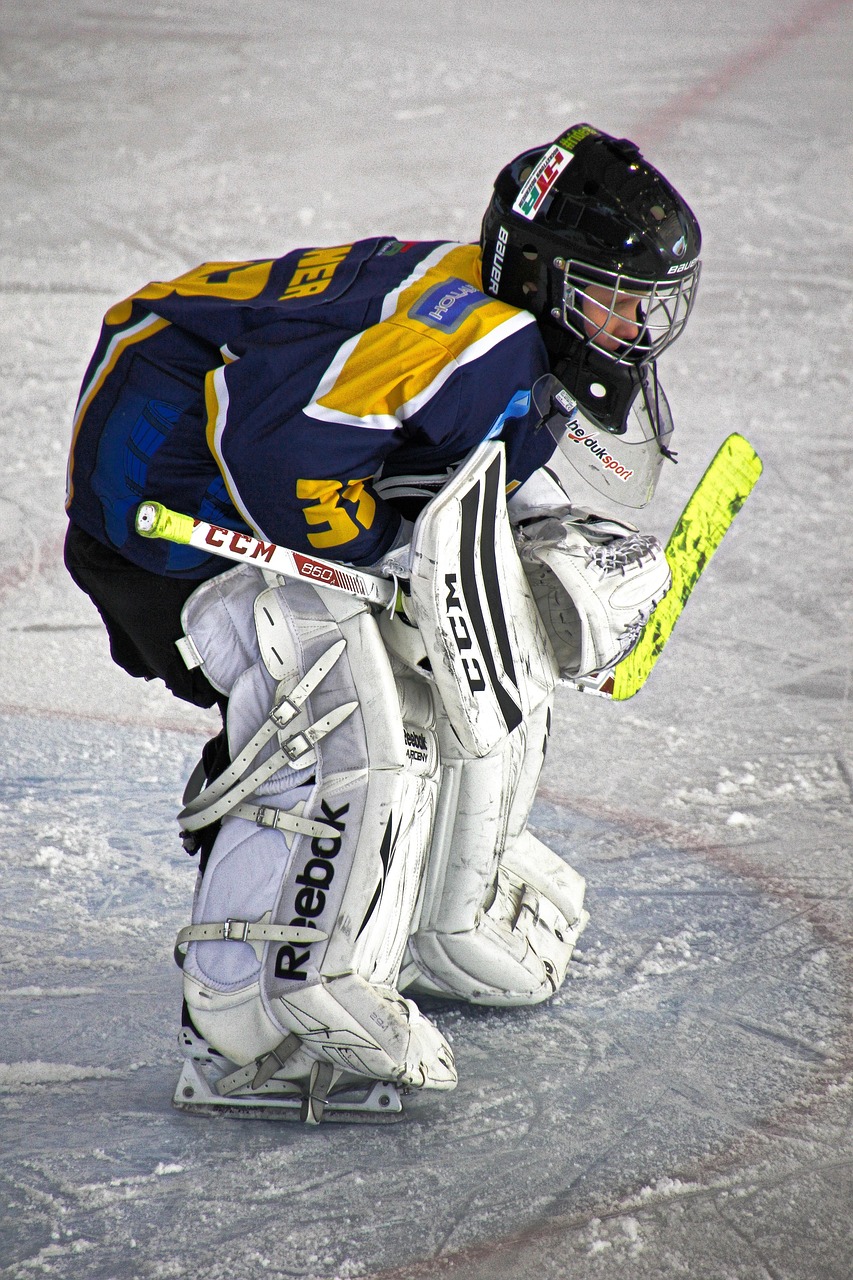
Youth hockey in Boston benefits from one of the strongest development environments in the United States. The area has rinks, coaching, club programs, school teams, prep schools, and college programs close together. That density gives young players more opportunities than they would have in many newer hockey markets.
Boston-area players can enter hockey through learn-to-play programs, town hockey, private clubs, school teams, and elite youth organizations. From there, stronger players may move into prep school hockey, junior hockey, NCAA programs, or other high-level pathways. The presence of Boston College, Boston University, Northeastern, and Harvard also gives young players visible examples of what college hockey can look like at a high level.
The challenge is cost. Like other major hockey regions, Boston’s hockey ecosystem can be expensive. Ice time, equipment, travel teams, camps, showcases, and private training can make the sport difficult for many families. That creates a tension inside one of America’s best hockey markets: the area has outstanding hockey infrastructure, but access is not equal for every young player.
Even with those challenges, Boston remains one of the country’s most important player-development regions. Its combination of tradition, competition, coaching, schools, and college visibility gives it a hockey base that few American cities can match.
Famous Hockey Players and Local Hockey Figures from Boston
Boston and the surrounding area have produced and developed many important hockey figures. The city’s hockey identity includes NHL stars, college legends, Olympic players, coaches, broadcasters, and builders. Boston College and Boston University alone have sent many players to the NHL and international competition, while local high schools, prep schools, and youth programs have helped shape generations of New England players.
The Bruins also add to the city’s hockey mythology. Players such as Bobby Orr, Phil Esposito, Ray Bourque, Cam Neely, Patrice Bergeron, Zdeno Chara, and Brad Marchand are not all “from” Boston, but they are central to Boston hockey history because they became part of the city’s sporting memory through the Bruins. That distinction matters for a city page. Boston hockey is not only about players born in the metro area; it is also about players who became local icons while representing the city.
The college side adds another layer. Boston’s hockey figures include players who became famous first through college rivalries, Beanpot performances, Frozen Four runs, and NCAA development before moving into professional or international careers.
Women’s and Girls’ Hockey in Boston
Women’s and girls’ hockey are an important part of Boston’s hockey ecosystem. The city and surrounding region have strong youth programs, college women’s hockey, and a long connection to elite women’s players. Boston College, Boston University, Northeastern, and Harvard have all contributed to the visibility of women’s college hockey in the area.
The growth of professional women’s hockey has also made Boston more important as a women’s hockey market. For young girls in the metro area, the pathway is more visible than it was in earlier generations: youth programs, school hockey, college hockey, national-team role models, and professional opportunities all connect more clearly now.
The Future of Hockey in Boston
The future of hockey in Boston is not about proving that the sport belongs. It clearly does. The bigger questions are affordability, access, rink availability, and the continued growth of girls’ hockey. Boston already has professional history, college depth, youth infrastructure, and a strong regional identity. Its next challenge is making sure the sport remains open enough for new players and families to join, not just those already inside the hockey system.



Interested in Sports in Boston?
American Football in Boston | Baseball in Boston | Basketball in Boston | Cricket in Boston | Football (Soccer) in Boston | Rugby in Boston