Minnesota hockey has NHL and PWHL visibility in Saint Paul, the U.S. Hockey Hall of Fame Museum in Eveleth, a high school hockey tradition that sources trace back to the late 1890s and early 1900s, and a girls’/women’s hockey lineage that includes early University of Minnesota women’s hockey activity in the 1910s and 1920s. Grand Casino Arena, formerly Xcel Energy Center, opened in 2000 and became the home of the Minnesota Wild; Minnesota also won the inaugural PWHL championship in 2024.
Hockey in Minnesota is not just a popular sport. It is one of the defining parts of the state’s identity. Minnesota calls itself the “State of Hockey” because the game reaches across high schools, small towns, college campuses, youth associations, professional teams, outdoor rinks, girls’ programs, and generations of players who grew up around the sport. Few places in the United States have a hockey culture as deep, visible, and locally rooted as Minnesota.
The state’s hockey identity is built on several layers. The Minnesota Wild give the state an NHL presence in Saint Paul. The boys’ and girls’ high school state tournaments are among the most important annual events in American amateur hockey. College programs such as Minnesota, Minnesota Duluth, St. Cloud State, Minnesota State, Bemidji State, and St. Thomas give the state a major NCAA footprint. Towns such as Warroad, Roseau, Eveleth, International Falls, Duluth, and many others have helped build Minnesota’s reputation as one of the country’s great player-producing regions. Minnesota hockey is professional, collegiate, scholastic, recreational, rural, suburban, and deeply local all at once.
The History of Hockey in Minnesota
Hockey in Minnesota grew from the state’s climate, geography, and community life. Cold winters, frozen lakes, outdoor rinks, and northern border connections gave the sport a natural foundation. The game developed through schools, town teams, local clubs, and community arenas rather than through one single institution. That grassroots quality remains one of the defining features of Minnesota hockey.
High school hockey became especially important. Saint Paul Academy is often cited as having one of the earliest varsity hockey teams in the state, dating to the early twentieth century, and organized high school hockey expanded steadily through the following decades. The Minnesota State High School League boys’ state tournament began in 1945, creating a public stage for school-based hockey that became central to the state’s sports culture. The tournament eventually developed into one of the most recognizable high school sporting events in the United States.
Professional hockey also shaped Minnesota’s identity. The Minnesota North Stars joined the NHL in 1967 and played in Bloomington, giving the state its first major NHL franchise. Their relocation to Dallas after the 1992–93 season left Minnesota without an NHL team for seven seasons, a gap that reinforced how deeply the state valued top-level hockey. The Minnesota Wild began play in 2000, restoring the state’s NHL presence in Saint Paul.
College hockey added another major layer. The University of Minnesota became one of the sport’s signature NCAA programs, while Minnesota Duluth, St. Cloud State, Minnesota State, Bemidji State, and later St. Thomas helped make the state one of the deepest college hockey regions in the country. Minnesota’s hockey history is therefore not just an NHL story. It is a network of high schools, colleges, youth associations, junior teams, local rinks, and towns that have treated the sport as a central part of winter life.
Where Hockey Fits in Minnesota Sports Culture
Hockey occupies a special place in Minnesota sports culture because it belongs to both big cities and small towns. The Twin Cities provide professional teams, college visibility, media attention, and a dense suburban youth hockey network. Northern Minnesota provides some of the sport’s deepest mythology, with towns that have produced NHL players, Olympians, and state tournament heroes despite modest populations. That mix gives Minnesota hockey a distinctive geography: metropolitan scale plus small-town identity.
The high school state tournament is the clearest example of hockey’s cultural power in Minnesota. It is not simply a championship event. It is a statewide gathering point, a television tradition, and a showcase for community pride. The boys’ tournament has historically drawn enormous attention, and it has often been described as the largest state sports tournament in the United States by viewing and attendance. The girls’ tournament has also become an essential part of the state’s hockey calendar, reflecting the growth of girls’ and women’s hockey across Minnesota.
Minnesota’s hockey culture is also unusually broad. It includes elite AAA programs, local youth associations, outdoor skating, adult recreational leagues, college rivalries, NHL fandom, and families who build winter schedules around practices and games. In many communities, the rink functions like a civic space. It is where children learn the sport, where parents volunteer, where high school teams become local symbols, and where former players stay connected to the game.
Hockey is not the only major sport in Minnesota. The state also has the Vikings, Twins, Timberwolves, Lynx, Gophers football and basketball, and a strong broader sports culture. But hockey has a different kind of cultural ownership. It is the sport most closely associated with the state’s winter identity, northern geography, and local pride. Minnesota does not need an NHL championship to validate its hockey reputation. The state’s hockey identity is built from the bottom up.
Teams, Leagues, and Hockey Institutions in Minnesota
The Minnesota Wild are the state’s NHL team and the most visible professional hockey institution in Minnesota. The Wild began play in 2000 after the state spent seven seasons without an NHL franchise following the North Stars’ relocation. The team plays in Saint Paul and competes in the NHL’s Central Division. As of the 2025–26 season, the Wild’s home arena is Grand Casino Arena, following a naming-rights change from Xcel Energy Center.
The Wild matter because they restored Minnesota to the NHL map, but the state’s hockey ecosystem is much larger than one team. Minnesota’s college hockey scene is one of the deepest in North America. The University of Minnesota Golden Gophers have long been a flagship program. Minnesota Duluth has won national titles and built a strong men’s and women’s hockey identity. St. Cloud State, Minnesota State, Bemidji State, and St. Thomas all add to the state’s NCAA depth. Few states have as many meaningful Division I hockey programs within their borders.
High school hockey remains the most culturally distinctive level of the game. The Minnesota State High School League organizes boys’ and girls’ hockey championships, and the boys’ tournament has existed since 1945. The current boys’ format includes Class AA and Class A, with section-based qualification feeding into the state tournament. This structure allows large suburban schools, traditional northern powers, private schools, and smaller communities to all occupy space in the state’s hockey imagination.
Junior hockey also has a presence in Minnesota, though the state’s identity is more strongly tied to high school and college hockey than to major junior structures. USHL and NAHL connections, junior programs, and nearby development opportunities give players additional routes beyond the high school system. Minnesota players also move into NCAA programs, the United States National Team Development Program, Canadian junior hockey, and professional leagues.
Women’s professional hockey has added another major institution. Minnesota’s PWHL team, the Minnesota Frost, gives the state a top-level women’s professional presence and connects Minnesota’s girls’ and women’s hockey tradition to the growing professional game. The PWHL describes itself as featuring the best women’s hockey players in the world, and Minnesota has quickly become one of the league’s important markets.
Famous Hockey Players from Minnesota
Minnesota has produced one of the deepest pools of hockey talent in the United States. The state’s player list includes NHL stars, Olympians, college legends, women’s national-team players, and local icons whose names carry weight in specific communities. Minnesota does not just produce occasional elite players; it produces hockey generations.
The state’s men’s hockey history includes names such as Neal Broten, Phil Housley, Jamie Langenbrunner, Zach Parise, Ryan Suter, Blake Wheeler, Dustin Byfuglien, T. J. Oshie, Nick Bjugstad, Brock Nelson, Jake Guentzel, Brock Boeser, Anders Lee, Ryan McDonagh, and many others. Some became NHL stars. Some became Olympic players. Some became symbols of the state’s connection to high school, college, and national-team hockey.
Warroad is one of the most famous hockey towns in the United States. Despite its small size, it has produced a remarkable number of Olympians, including players connected to both men’s and women’s national teams. Recent reporting ahead of the 2026 Winter Olympics noted Brock Nelson as another Olympic player from Warroad, reinforcing the town’s outsized place in American hockey history.
Minnesota’s women’s hockey player pool is equally important. Players such as Natalie Darwitz, Krissy Wendell, Gigi Marvin, Hannah Brandt, Amanda Kessel, Dani Cameranesi, Lee Stecklein, Kelly Pannek, Grace Zumwinkle, and many others have helped define the state’s role in American women’s hockey. Minnesota’s women’s stars often connect multiple levels of the state’s hockey system: youth hockey, high school hockey, the University of Minnesota or Minnesota Duluth, Team USA, and now professional women’s hockey.
The state’s famous hockey figures also include coaches, builders, and college leaders. Minnesota hockey is not only about players who reached the NHL. It is also about the people who built programs, ran associations, coached high school teams, developed college powers, and kept community hockey strong over decades.
Youth Hockey and Player Development in Minnesota
Youth hockey in Minnesota is one of the strongest development systems in the United States. Its strength comes from the density of rinks, the popularity of local associations, the visibility of high school hockey, the presence of NCAA programs, and the fact that children can see a complete hockey pathway without leaving the state.
Minnesota’s youth hockey model is different from many other American markets. In some states, elite development quickly becomes dominated by private clubs, academy structures, and travel programs. Those exist in Minnesota too, but local association hockey and high school hockey remain unusually important. A player can grow up representing a community association, move into a high school program, become a state tournament name, and then continue into junior, college, or professional hockey.
The high school pathway is one of Minnesota’s defining features. In many other states, elite players often leave high school hockey early for prep schools, AAA programs, or junior teams. Minnesota still has a powerful culture of players staying home to represent their schools and communities. That makes the state tournament matter in a way that goes beyond scouting. It is a public celebration of local hockey identity.
Rink access is one of the state’s biggest advantages. Minnesota has a dense network of indoor arenas and outdoor rinks compared with most of the United States. That infrastructure supports boys’ hockey, girls’ hockey, mites, squirts, peewees, bantams, high school teams, adult leagues, and recreational skating. In smaller towns, the local rink can be one of the most important buildings in the community.
Cost remains a challenge. Even in a hockey-rich state, equipment, ice time, travel, tournament fees, and training expenses can limit participation. Minnesota’s next development challenge is not convincing people that hockey matters. It is keeping the sport accessible enough that the state’s player pool remains broad rather than narrowing around families with the most resources.
Women’s and Girls’ Hockey in Minnesota
Women’s and girls’ hockey is one of Minnesota’s greatest strengths. The state has produced many of the most important American women’s players, and its girls’ youth and high school systems have helped make Minnesota a national leader in women’s hockey development. The state’s influence runs through high school hockey, NCAA women’s hockey, Team USA, and the professional game.
Minnesota’s college programs have been especially important. The University of Minnesota and Minnesota Duluth have both played major roles in women’s college hockey, producing Olympians, national-team players, and professional players. Minnesota’s girls’ high school hockey structure gives young players a visible competitive pathway before college, while youth associations across the state introduce girls to the sport earlier than in many other regions.
The Minnesota Frost have added a new professional layer. Their presence in the PWHL gives young players a local professional team to follow and gives the state’s women’s hockey culture a clearer top-level destination. That matters in a state where the women’s game already has deep roots. Professional visibility can strengthen the connection between youth participation, college development, national-team dreams, and long-term careers in the sport.
Minnesota’s women’s hockey story is not a side note. It is central to why the state is one of the most important hockey regions in North America.
Hockey Rinks, Communities, and Local Geography in Minnesota
The hockey map of Minnesota is unusually rich. The Twin Cities produce scale, media attention, college programs, suburban associations, and professional teams. Northern Minnesota produces mythology. Duluth, Warroad, Roseau, Eveleth, International Falls, Hibbing, Grand Rapids, and other communities have helped build the state’s reputation as a place where hockey belongs to towns as much as cities.
This geography is one of the reasons Minnesota hockey feels different. In many states, hockey is concentrated around a few metro-area rinks. In Minnesota, the sport spreads across regions. Suburban powers around the Twin Cities may have deep rosters and large youth systems, while northern towns may carry decades of tradition and community pride. College towns such as Mankato, St. Cloud, Bemidji, Duluth, and Minneapolis-Saint Paul add another layer.
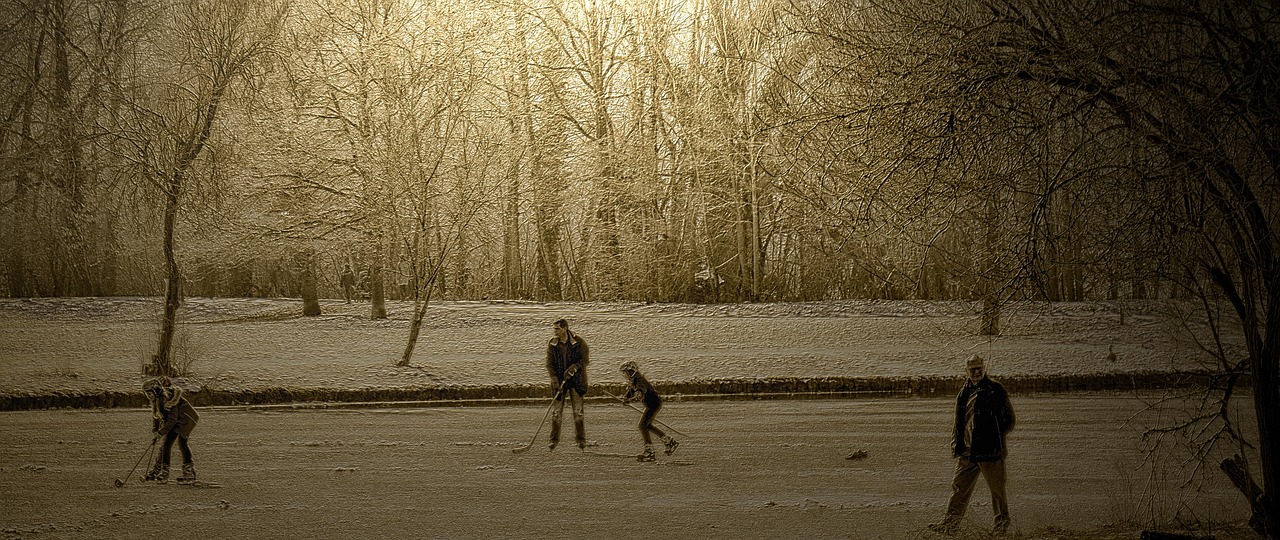
Outdoor hockey also remains part of the state’s identity, even though elite development depends heavily on indoor ice. Backyard rinks, pond hockey, outdoor community rinks, and winter tournaments connect the sport to Minnesota’s climate and culture. The modern game may be organized indoors, but the mythology of Minnesota hockey still lives outdoors.
That mix of indoor infrastructure, outdoor memory, small-town pride, suburban scale, and college visibility makes Minnesota one of the most complete hockey states in the country.
The Future of Hockey in Minnesota
The future of hockey in Minnesota is not about proving the sport belongs. It is about keeping the game broad, affordable, and connected to communities. Minnesota already has the NHL, PWHL, college hockey, high school hockey, youth associations, famous players, and a rink culture that few states can match.
The pressure points are cost, access, and participation. If hockey becomes too expensive, Minnesota risks narrowing the base that made it special. If girls’ hockey keeps growing, if local associations remain strong, if high school hockey keeps its public role, and if professional teams continue supporting the sport’s visibility, Minnesota will remain one of the most important hockey places in North America.
Hockey in Minnesota is powerful because it is layered. It belongs to Saint Paul and Minneapolis, but also to Warroad, Roseau, Duluth, Eveleth, Grand Rapids, Mankato, St. Cloud, and countless local rinks. That is why Minnesota’s hockey identity is not just a slogan. It is a living sports culture.
Interested in Sports in Minnesota?
American Football in Minnesota | Baseball in Minnesota | Basketball in Minnesota | Cricket in Minnesota | Football (Soccer) in Minnesota | Rugby in Minnesota