Hockey in St. Louis is built around one of the strongest non-Canadian hockey cultures in the United States. The St. Louis Blues give the city its most visible hockey identity, but the sport’s local roots go beyond the NHL. The metro area has developed a serious youth hockey system, a loyal fan base, a growing player pipeline, and a regional hockey culture that connects Missouri, southern Illinois, and parts of the broader Midwest.
St. Louis is not a northern hockey city in the same way as Minneapolis, Detroit, Boston, or Buffalo, but it is not a casual hockey market either. The city has become one of the clearest examples of how an NHL franchise, local rinks, committed families, and a long-running fan base can turn a nontraditional market into a real hockey community.
The Hockey Identity of St. Louis
St. Louis hockey is defined by the Blues. Since joining the NHL in the 1967 expansion, the Blues have been the city’s hockey anchor and one of its major professional sports institutions. The team created a local hockey identity that has lasted across generations, even during long stretches without a Stanley Cup. That loyalty became one of the defining features of the market.
The Blues’ 2019 Stanley Cup championship changed the emotional profile of hockey in St. Louis. For decades, the team was known as a passionate but long-waiting franchise, a club with strong regular seasons, memorable players, and repeated playoff heartbreak. Winning the Cup gave St. Louis hockey a full-circle moment. It confirmed what local fans already believed: hockey was not just an imported NHL product in the city. It had become part of St. Louis sports culture.
The city’s hockey identity also has a strong player-development angle. St. Louis has produced more high-level players than many people outside the region might expect. That is partly because the Blues helped popularize the sport locally, but it is also because youth hockey in the metro area has matured into a serious development environment. St. Louis hockey is now both a fan culture and a player-producing culture.
Hockey Teams and Local Competitions in St. Louis
The St. Louis Blues are the center of the city’s hockey ecosystem. They play at Enterprise Center in downtown St. Louis and serve as the region’s main professional hockey institution. The Blues’ fan culture is one of the most stable in the NHL, supported by decades of local loyalty and the emotional payoff of the 2019 championship.
The Blues also connect the city to the wider NHL world through rivalries, divisional competition, and a long list of important players. The franchise has featured stars such as Brett Hull, Bernie Federko, Al MacInnis, Chris Pronger, Pavol Demitra, Keith Tkachuk, Vladimir Tarasenko, Ryan O’Reilly, Alex Pietrangelo, Jordan Binnington, and others who helped shape different eras of St. Louis hockey.
Below the NHL level, St. Louis hockey is supported by youth clubs, high school hockey, adult leagues, and regional tournaments. The city does not have the same dense college hockey presence as Boston or the same statewide high school tournament culture as Minnesota, but it has a strong local hockey network. High school hockey is a meaningful part of the local scene, especially in the suburbs, where many families connect to the sport through school teams, club programs, and rink-based communities.
St. Louis also has connections to junior and college hockey pathways. Many elite local players eventually leave the region to pursue higher competition in junior leagues, prep programs, NCAA programs, or national development environments. That movement is common in strong youth hockey markets that do not sit inside the oldest American hockey regions.
Rinks, Neighborhoods, and Hockey Geography in St. Louis
The hockey map of St. Louis is not limited to downtown. Enterprise Center gives the city its NHL stage, but the sport’s everyday life is spread across the metro area. Suburban rinks, youth associations, high school programs, and adult leagues carry much of the participation side of the game.
The strongest local hockey communities are often found in suburban areas where families have access to rinks, organized clubs, and competitive youth programs. This gives St. Louis hockey a regional footprint that stretches beyond the city itself into surrounding Missouri communities and parts of the Illinois side of the metro area.
That geography matters because St. Louis is not a place where outdoor winter hockey naturally explains the sport’s growth. The city’s hockey culture depends more on indoor facilities, the Blues’ influence, and the commitment of families who choose hockey in a crowded youth sports market. The result is a concentrated but serious hockey ecosystem.
Youth Hockey and Player Development in St. Louis
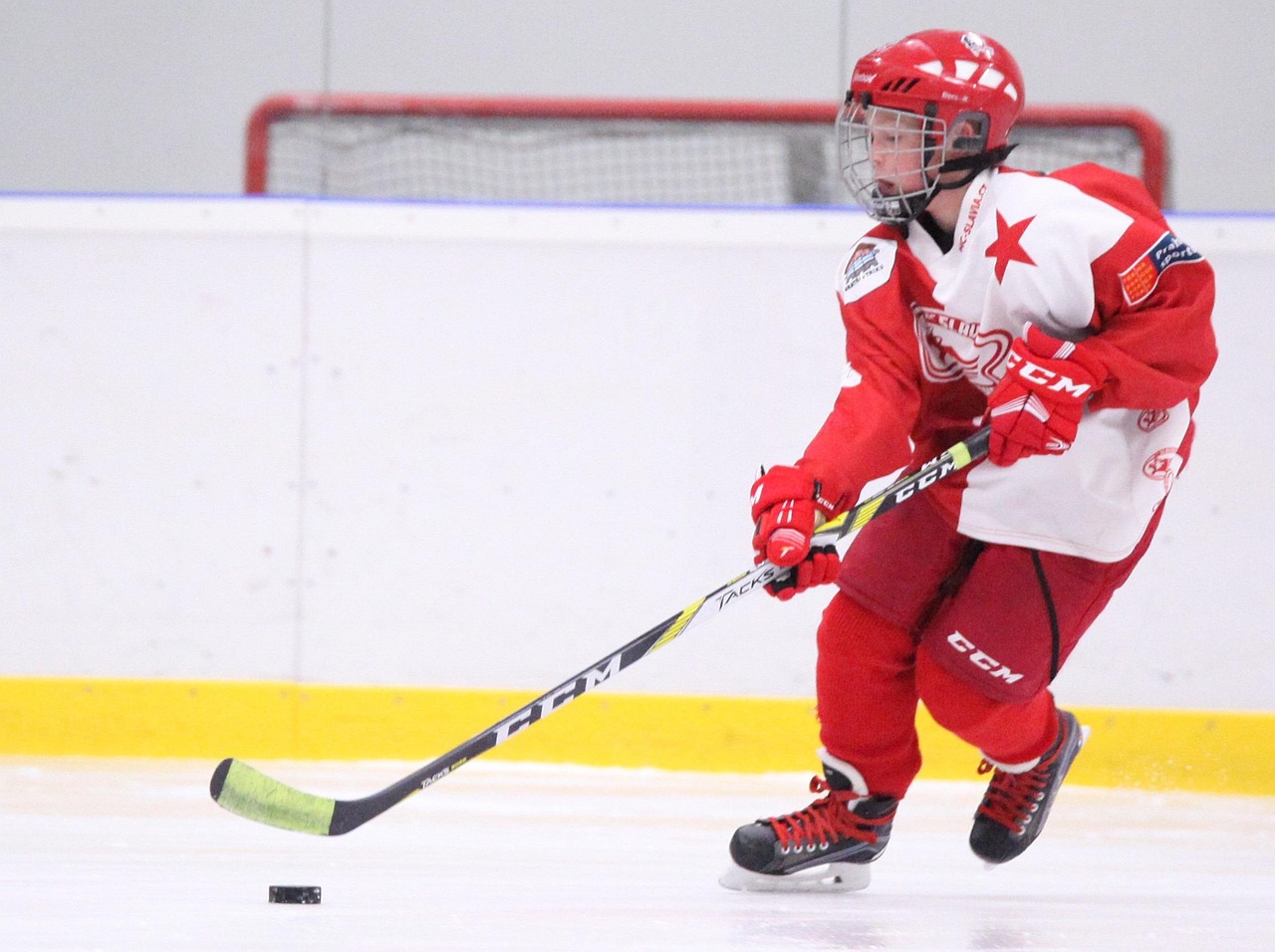
Youth hockey in St. Louis is one of the strongest signs that the city has become a real hockey market. The sport is not simply something people watch when the Blues are good. Young players across the metro area grow up with access to youth programs, club teams, school hockey, camps, and competitive travel opportunities.
The Blues have played a major role in building interest, but local development has its own momentum. Children who grow up in St. Louis can see a clear hockey ladder: learn-to-skate programs, youth clubs, high school teams, travel hockey, junior opportunities, college possibilities, and, for the best players, professional dreams. That does not mean the path is easy or cheap, but it does mean the sport has a recognizable structure.
St. Louis has also become an important example of how NHL expansion and long-term franchise stability can affect American player development. The city has produced NHL players who grew up in the area rather than simply attracting hockey fans from elsewhere. That matters. It shows that the sport has moved from spectator identity to participation identity.
Cost and access remain challenges, as they do in almost every American hockey market. Ice time, equipment, travel, and private training can make hockey difficult for many families. Still, the strength of the local rink network and the visibility of the Blues give St. Louis a stronger base than many similarly sized markets.
Famous Hockey Players and Local Hockey Figures from St. Louis
St. Louis has produced a notable group of hockey players, especially for a city outside the traditional northern hockey belt. The most famous local example is probably Matthew Tkachuk, who grew up in the St. Louis area and became one of the NHL’s top power forwards. His brother Brady Tkachuk also came through the same broader St. Louis hockey environment, giving the city two major modern NHL stars from one family.
The Tkachuk family itself is deeply tied to St. Louis hockey. Keith Tkachuk played several seasons for the Blues, and his sons’ rise helped reinforce the city’s reputation as a place where elite hockey talent could develop. Other NHL players with St. Louis connections, including Clayton Keller, Logan Brown, and others, have added to the city’s player-development profile.
The Blues’ own history has also given St. Louis many important hockey figures who may not be from the city but became part of its sports identity. Brett Hull remains one of the defining stars in franchise history. Bernie Federko, Al MacInnis, Chris Pronger, Wayne Babych, Brian Sutter, Bob Plager, Barclay Plager, Vladimir Tarasenko, Alex Pietrangelo, Ryan O’Reilly, and Jordan Binnington all represent different parts of the Blues’ story.
In St. Louis, famous hockey figures are not only local-born players. They are also the players, coaches, and builders who made the Blues matter to the city.
Women’s and Girls’ Hockey in St. Louis
Women’s and girls’ hockey in St. Louis is part of the broader growth of the sport across the metro area. As youth hockey has become more established, girls have had more opportunities to enter the game through learn-to-play programs, club teams, school-linked opportunities, and competitive travel pathways.
St. Louis is not yet known nationally as one of the central women’s hockey hubs in the same way as Minnesota, Massachusetts, Wisconsin, or parts of Canada, but the foundation is stronger than it once was. The presence of a major NHL franchise, a committed youth hockey community, and a growing number of female players gives girls’ hockey room to expand.
The long-term importance of girls’ hockey in St. Louis is that it broadens the local player base. A strong hockey city cannot only be built around boys’ youth teams and men’s professional fandom. The next stage of St. Louis hockey depends partly on making the sport more accessible and visible for girls across the metro area.
The Future of Hockey in St. Louis
The future of hockey in St. Louis is about depth. The city has already proven that it can support NHL hockey at a high level. The Blues are established, the fan base is loyal, and the 2019 Stanley Cup gave the city a permanent place in modern NHL history.
The next question is how far the participation culture can grow. More affordable entry points, continued youth development, stronger girls’ hockey, and stable rink access will determine whether St. Louis keeps producing high-level players. The city has already moved beyond the label of a nontraditional hockey market. It is now a serious American hockey city with its own identity, its own player pipeline, and one of the strongest fan cultures in the NHL.






Interested in Sports in St. Louis?
American Football in St. Louis | Baseball in St. Louis | Basketball in St. Louis | Cricket in St. Louis | Football (Soccer) in St. Louis