New York is big because the state is not just one hockey story. It has three NHL markets, Lake Placid’s Olympic legacy, one of the AHL’s oldest franchises in Rochester, deep ECAC college hockey, Adirondack and North Country rink culture, Long Island field hockey, Syracuse field hockey, and a long minor-league spine across Upstate New York. The structure below keeps the same Leaflet and marker-cluster shell from your base file while shifting the content into a New York hockey history and culture map.
Hockey in New York is one of the deepest and most varied state hockey stories in the United States. It is not just a New York City sport, a Buffalo sport, a college sport, or a youth-hockey sport. It is all of those at once. New York has three NHL franchises, a long professional hockey history, major college programs, strong high school and youth hockey regions, a serious women’s hockey footprint, and a geography that stretches from Manhattan and Long Island to the Adirondacks, Central New York, Western New York, the North Country, and the Hudson Valley.
That range gives New York a hockey identity that is both urban and regional. The New York Rangers carry Original Six history in Manhattan. The New York Islanders connect Long Island to Stanley Cup dynasty history. The Buffalo Sabres anchor Western New York hockey culture. Beyond the NHL, the state has college programs, junior and minor league teams, high school hockey, girls’ hockey, and community rink systems that make hockey visible far beyond the state’s professional arenas. New York is not always described as one of the classic “hockey states” in the same shorthand as Minnesota or Massachusetts, but its actual hockey map is enormous.
The History of Hockey in New York
Hockey in New York developed through several different channels. In the New York City area, the sport grew through professional arenas, athletic clubs, college competition, and the rise of the Rangers as one of the NHL’s historic American franchises. The Rangers joined the NHL in 1926 and became one of the league’s Original Six teams, giving New York City a permanent place in the top level of North American hockey.
Western New York developed a different hockey identity. Buffalo’s hockey culture has long been shaped by its climate, its proximity to Canada, and its connection to Ontario hockey. The Buffalo Sabres, founded in 1970, became the region’s NHL centerpiece, but Western New York’s hockey story also includes youth programs, high school hockey, junior development, college teams, and a fan culture that treats the sport as a natural part of winter life.
Long Island became central to the state’s hockey identity through the New York Islanders. Founded in 1972, the Islanders became one of the most successful teams of the late 1970s and early 1980s, winning four straight Stanley Cups from 1980 through 1983. That dynasty gave Long Island a hockey mythology separate from Manhattan’s Rangers identity and made the Islanders one of the defining franchises of that era.
Upstate New York has its own hockey history. College hockey, minor league teams, high school programs, and local rinks have made the sport important in places such as Syracuse, Rochester, Utica, Albany, Binghamton, Ithaca, Potsdam, Canton, Oswego, Troy, Hamilton, and the North Country. The state’s college hockey tradition is especially deep, with programs such as Cornell, Colgate, Clarkson, St. Lawrence, RPI, Union, Army, Canisius, Niagara, and others giving New York one of the richest college hockey landscapes in the country. New York’s college hockey presence includes many men’s and women’s programs across NCAA divisions.
The result is a state where hockey was never built from one center. It grew through Manhattan prestige, Long Island dynasty hockey, Buffalo border culture, upstate college programs, community arenas, and local youth systems.
Where Hockey Fits in New York Sports Culture
Hockey in New York has a major presence, but it competes in one of the most crowded sports environments in North America. New York is a baseball state, a basketball state, a football state, a soccer market, a college sports state in certain regions, and a global media capital. Hockey has to share attention with the Yankees, Mets, Knicks, Nets, Giants, Jets, Bills, Red Bulls, NYCFC, major college programs, and countless other sports institutions.
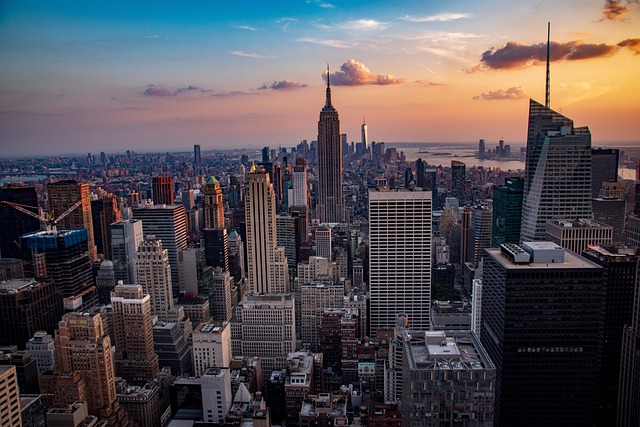
That competition makes New York hockey more regional than statewide in the emotional sense. In Manhattan and the broader New York metropolitan area, the Rangers are one of the city’s iconic franchises, playing at Madison Square Garden and carrying nearly a century of history. On Long Island, the Islanders are tied to suburban identity, Nassau County memory, UBS Arena, and the dynasty years that still define the franchise. In Western New York, the Sabres are part of Buffalo’s intense local sports culture, connected to a fan base that often treats hockey and football as the region’s two central professional sports passions.
Upstate, hockey often feels more local and developmental. College programs, high school teams, youth clubs, and minor league teams can matter deeply in communities that are far from NHL arenas. A game at Cornell, Clarkson, St. Lawrence, RPI, Union, or a strong Division III program can be part of a different hockey rhythm than an NHL game in Manhattan or Buffalo. In these communities, hockey is often more tied to schools, local rinks, and regional rivalries.
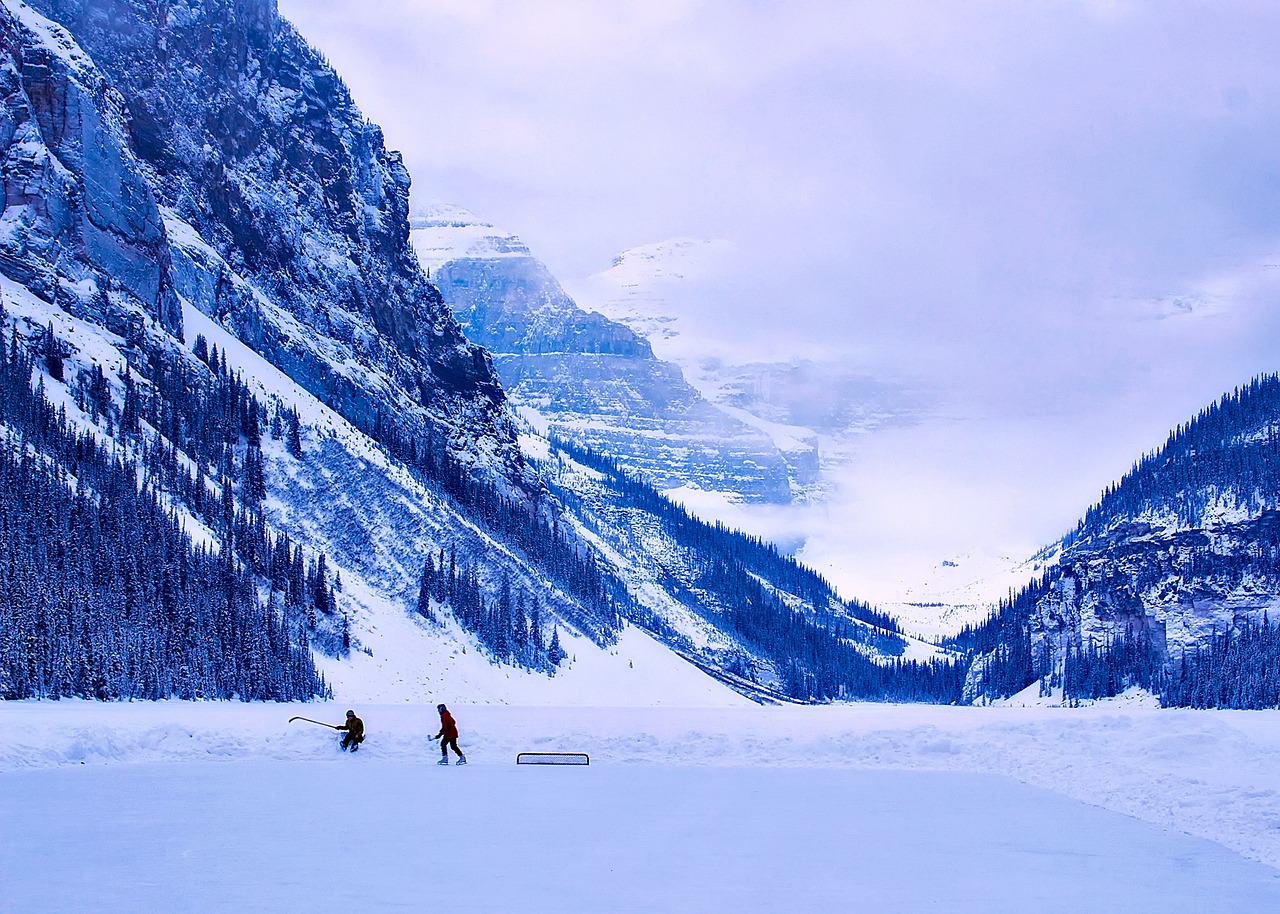
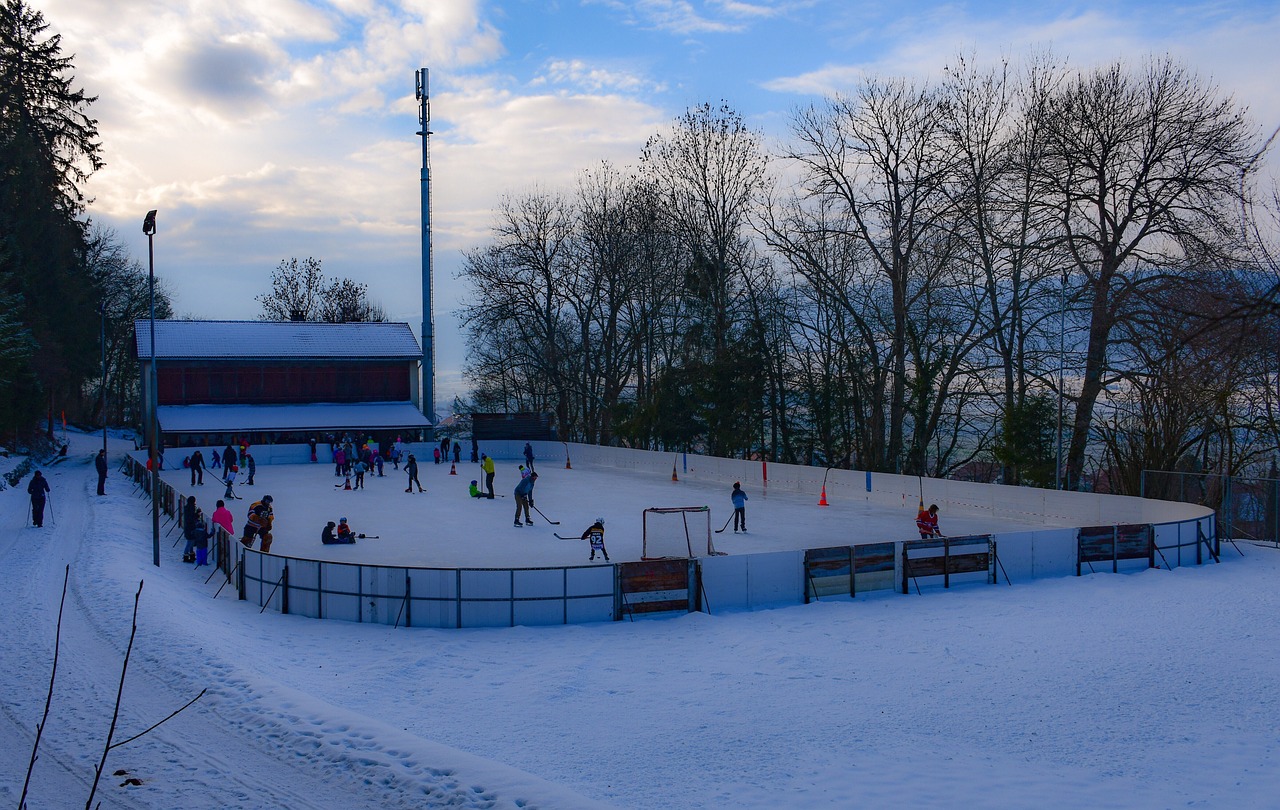
New York also has the climate and geography to support hockey in many regions. Western New York, the North Country, Central New York, the Adirondacks, and the Capital Region all have winter conditions that make hockey feel culturally natural. Downstate hockey depends more on suburban rink infrastructure, private clubs, school programs, and professional fandom, but the player base is still significant.
The state’s hockey culture is therefore layered. New York has high-end professional prestige, serious fan rivalries, college depth, youth competition, and local rink culture. It is not one unified hockey culture. It is a state of overlapping hockey worlds.
Teams, Leagues, and Hockey Institutions in New York
New York’s professional hockey identity begins with its three NHL teams: the New York Rangers, New York Islanders, and Buffalo Sabres. The Rangers represent Manhattan and one of the oldest American traditions in the NHL. The Islanders represent Long Island and one of the great dynasty runs in league history. The Sabres represent Buffalo and Western New York, where hockey’s proximity to Canada gives the sport a different regional intensity. New York is one of the few U.S. states with three NHL franchises.
Below the NHL, New York has long been important to minor league hockey. The state has hosted American Hockey League teams in cities such as Rochester, Syracuse, Utica, Albany, Binghamton, and other markets over different eras. The Rochester Americans are one of the most historically significant AHL clubs, while the Syracuse Crunch and Utica Comets help keep professional hockey visible in Central New York and the Mohawk Valley. The Adirondack Thunder, based in Glens Falls, compete in the ECHL and are affiliated with the New Jersey Devils and Utica Comets.
College hockey is one of the state’s greatest strengths. New York has a dense collection of NCAA hockey programs across multiple levels. Cornell, Colgate, Clarkson, St. Lawrence, RPI, Union, Army, Canisius, Niagara, LIU, and other programs help make the state a serious college hockey territory. Division III hockey is also important, especially at schools such as Oswego State, Geneseo, Plattsburgh, Hobart, Hamilton, Elmira, Cortland, and others. This gives New York a college hockey map that reaches from the North Country to Central New York, Western New York, the Capital Region, the Hudson Valley, and Long Island.
High school hockey is another major layer. The New York State Public High School Athletic Association sponsors boys ice hockey, and the state has long-running school and club hockey structures. NYSPHSAA’s official boys ice hockey page reflects the sport’s place within the state’s interscholastic athletics system. New York high school hockey has especially strong pockets in Western New York, the North Country, Central New York, the Capital Region, the Hudson Valley, and parts of Long Island.
Youth hockey is organized through USA Hockey’s New York District and the New York State Amateur Hockey Association. USA Hockey lists a New York District among its national districts and affiliates, while NYSAHA oversees state-level youth, girls, and club championship activity. This gives the state a formal development structure beneath its professional and college layers.
Women’s professional hockey has also entered the New York conversation through the PWHL’s New York Sirens, giving the broader New York metropolitan area a team in the top level of women’s professional hockey. That addition strengthens the state’s women’s hockey profile and gives young players another visible pathway.
Famous Hockey Players from New York
New York has produced a strong and varied group of hockey players, though its player identity is spread across several regions. Western New York, Long Island, the Hudson Valley, Central New York, and the North Country all contribute differently to the state’s hockey pipeline.
Pat LaFontaine is one of the most important American players associated with New York hockey. Born in St. Louis but raised in Michigan, he became deeply tied to New York through his NHL career with the Islanders, Sabres, and Rangers, making him a rare figure connected to all three of the state’s NHL franchises. His career reflects the way New York hockey can be defined not only by birthplace, but by professional identity and fan memory.
New York-born NHL players include names such as Patrick Kane from Buffalo, one of the most skilled American forwards in NHL history; Adam Fox from Jericho, a Norris Trophy-winning defenseman; Charlie McAvoy from Long Beach, an elite NHL defenseman; Jeremy Roenick from Boston but strongly tied to broader American hockey culture; and Ryan Callahan from Rochester, who became a prominent NHL captain and U.S. national team player. Other notable New York-connected players include Brian Gionta from Rochester, Nick Foligno from Buffalo, and Kevin Hayes from Dorchester, Massachusetts but linked regionally through college and NHL pathways beyond the state.
Buffalo has been especially important in producing elite American talent. Patrick Kane’s rise from Western New York to NHL superstardom gave the region one of its clearest modern player-development symbols. The Buffalo area has also produced or developed many players through strong youth, prep, junior, and college networks.
Long Island has become more visible as a hockey-producing area. Players such as Charlie McAvoy and Adam Fox show that elite defensemen can come from suburban downstate programs, not only from traditional northern or Midwestern hockey centers. That matters for New York’s modern identity because it shows that the state’s development map extends beyond Buffalo and upstate rinks.
New York’s women’s hockey figures also matter. The state has produced Olympians, NCAA standouts, professional players, and national-team contributors through its college and youth systems. Because women’s hockey often develops through NCAA programs as much as through professional clubs, New York’s college network gives the state a wider influence than a simple list of hometowns would show.
Youth Hockey and Player Development in New York
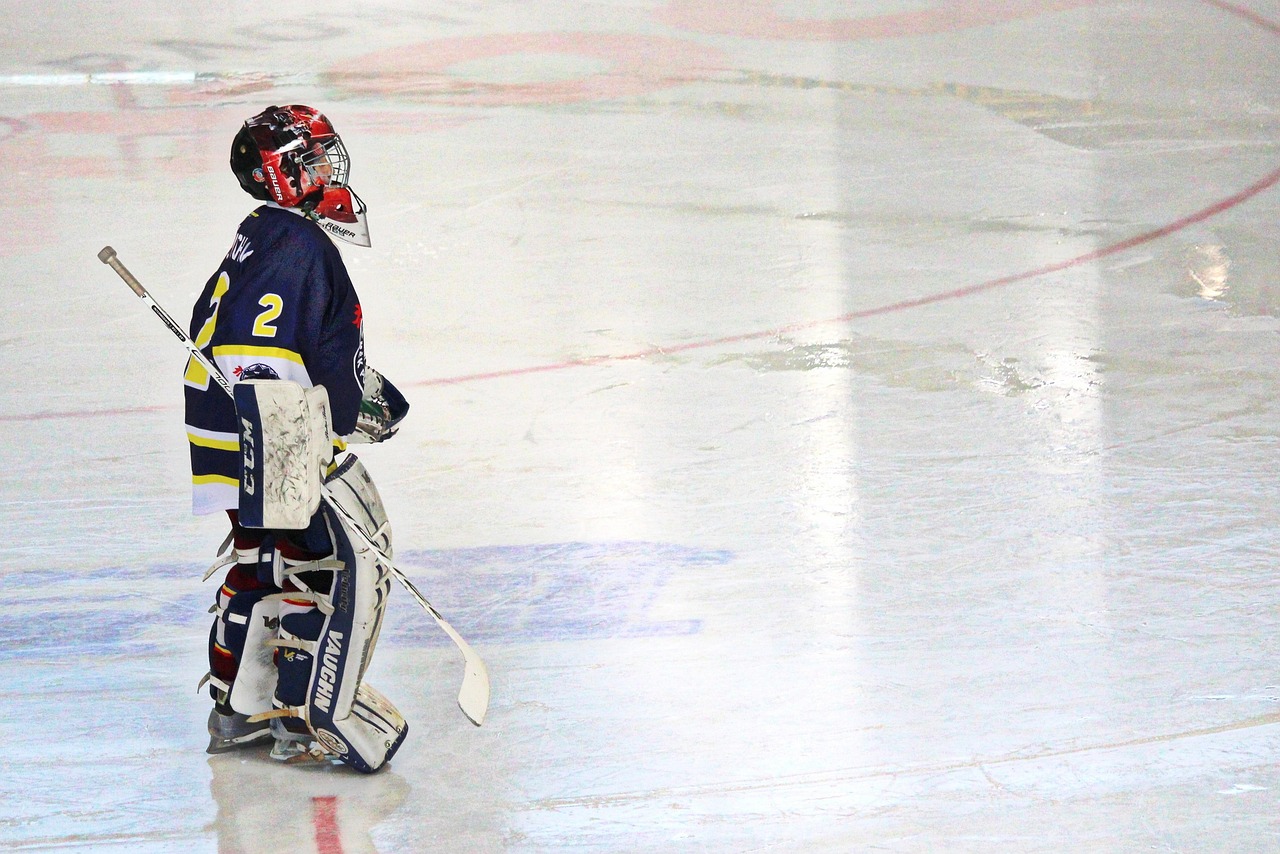
Youth hockey in New York is large, competitive, and regionally distinct. The state’s development structure depends on local associations, school teams, travel programs, girls’ teams, junior opportunities, and college pathways. USA Hockey’s New York District and NYSAHA provide the formal structure for much of the state’s amateur hockey activity.
Western New York has one of the strongest youth hockey cultures in the state. Buffalo’s climate, NHL presence, proximity to Canada, and dense local hockey network make the region a serious player-development area. The Buffalo Jr. Sabres and other local organizations have helped create pathways for competitive players. The presence of the Sabres also gives young players a visible professional model.
Long Island and the downstate suburbs have a different structure. Rink access, club programs, private training, and travel hockey are central. The region has produced high-end players and supports a large youth base, but it is also shaped by the high cost of participation and the crowded sports landscape of the New York metropolitan area.
Upstate New York’s development model is closely tied to local rinks, high school hockey, college programs, and regional associations. In the North Country, Central New York, the Capital Region, Rochester, Syracuse, Utica, and the Hudson Valley, players often grow through a combination of youth associations, school teams, and exposure to college or minor league hockey. The state’s geography means travel can be a major factor, especially for players seeking higher competition.
High school hockey remains important. NYSPHSAA sponsors boys ice hockey, and New York’s high school hockey ecosystem includes both school-based and club-based structures. The high school game is especially meaningful because it gives hockey a local identity beyond private travel teams.
The challenge for New York youth hockey is the same challenge facing much of American hockey: cost. Equipment, ice time, travel, coaching, and tournament fees can limit access. New York has enough rinks and programs to be a major development state, but the experience of playing hockey can vary sharply depending on region, family resources, and access to competitive programs.
Women’s and Girls’ Hockey in New York
Women’s and girls’ hockey in New York is one of the strongest parts of the state’s hockey ecosystem. The state has girls’ youth programs, high school competition, NCAA women’s programs, professional women’s hockey visibility, and connections to national-team development.
New York’s college hockey network is especially important for women’s hockey. Programs such as Cornell, Clarkson, Colgate, St. Lawrence, Syracuse, RPI, Union, LIU, and others have helped make the state a major part of the NCAA women’s hockey landscape. Clarkson, Cornell, and Colgate in particular have had strong women’s hockey profiles, giving the state significant national relevance.
Girls’ hockey has also grown through youth associations and state championships. NYSAHA lists girls’ championship categories as part of its state-level amateur hockey activity, including Tier I and Tier II girls’ divisions. That structure matters because it gives female players a competitive pathway before college.
The PWHL’s New York Sirens add another layer. Professional women’s hockey gives young players a visible top level of the sport and connects New York to the broader growth of women’s hockey in North America. Even as the women’s professional landscape continues to evolve, having a New York-branded team helps the state’s hockey ecosystem feel more complete.
New York’s women’s hockey story is not confined to one region. Upstate college programs, downstate youth clubs, Western New York development, and professional visibility all contribute to a state where girls’ hockey has room to keep growing.
Hockey Rinks, Communities, and Local Geography in New York
The hockey map of New York is unusually diverse. New York City and Long Island are dense, suburban, expensive, and arena-driven. Buffalo and Western New York are colder, more border-influenced, and more deeply connected to Canadian hockey culture. The North Country has a strong winter-sport identity and a college-hockey presence. Central New York and the Mohawk Valley mix minor league hockey, college programs, high school teams, and youth associations. The Capital Region and Hudson Valley add more layers through college hockey, prep hockey, and local clubs.
This geography makes New York hard to summarize in one sentence. Hockey in Manhattan is not hockey in Buffalo. Hockey on Long Island is not hockey in Potsdam. Hockey in Rochester is not hockey in Ithaca. Each region has its own pathway into the sport.
Buffalo is the most naturally hockey-shaped part of the state. Its climate, NHL team, Canadian proximity, and youth culture give it a traditional hockey feel. Long Island has become a major suburban hockey area, especially through youth clubs and the Islanders’ presence. New York City has the Rangers and a large fan base, but participation depends more on rink access and cost. Upstate communities often connect hockey to schools, colleges, minor league teams, and winter life.
The state’s college towns are especially important. Ithaca, Potsdam, Canton, Hamilton, Troy, Schenectady, West Point, Oswego, Geneseo, and other communities help make hockey part of local identity even where there is no NHL team. These places prove that New York hockey is not only about professional franchises. It is also about the smaller rinks and campus arenas where the sport lives week after week.
The Future of Hockey in New York
The future of hockey in New York depends on access, development, and regional balance. The state already has NHL history, professional depth, college hockey, youth programs, girls’ hockey, and a large fan base. The challenge is making the sport more accessible across different regions and income levels.
New York does not need to prove that hockey belongs. It has already done that through the Rangers, Islanders, Sabres, college programs, high school hockey, minor league clubs, youth associations, and women’s hockey. The next step is keeping the state’s hockey ecosystem healthy: affordable entry points, more girls’ opportunities, strong local rinks, better development pathways, and continued connection between professional teams and grassroots participation.
Hockey in New York is powerful because it is not one thing. It is Madison Square Garden, UBS Arena, KeyBank Center, college barns, high school championships, youth tournaments, North Country rinks, Long Island clubs, Buffalo winters, and upstate communities that keep the game alive far beyond the NHL spotlight.




Interested in Sports in New York?
American Football in New York | Baseball in New York | Basketball in New York | Cricket in New York | Football (Soccer) in New York | Rugby in New York