Hockey in Buffalo is one of the strongest pieces of the city’s sports identity. The Buffalo Sabres give the city its NHL anchor, but the local hockey culture is also shaped by Western New York winters, proximity to Canada, youth programs, adult leagues, and a fan base that has stayed emotionally connected to the sport through decades of highs and lows.
Buffalo is not a casual hockey market. It is a city where hockey fits the climate, the regional identity, and the local sports personality. The Sabres joined the NHL in 1970, entering the league in the same expansion class as the Vancouver Canucks. The team has played at KeyBank Center since 1996 after previously playing at Buffalo Memorial Auditorium, one of the city’s most important old sports venues.
Buffalo’s hockey identity also comes from its position on the American side of a border-region hockey culture. Southern Ontario is nearby, Canadian hockey media is familiar, and the sport has long felt natural in Western New York. That gives Buffalo a different hockey texture from many American cities. It is an NHL market, but it also feels connected to a wider Great Lakes and cross-border hockey world.
Hockey Teams and Local Competitions in Buffalo
The Buffalo Sabres are the center of hockey in the city. The franchise has reached the Stanley Cup Final twice, losing to the Philadelphia Flyers in 1975 and the Dallas Stars in 1999. Those runs remain major parts of Sabres history, even as the team continues to chase its first Stanley Cup.
The Sabres’ early identity was shaped by the “French Connection” line of Gilbert Perreault, Rick Martin, and René Robert, one of the most famous lines in franchise history. That era helped establish Buffalo as a serious NHL city and gave the team a recognizable style and star power. Later eras brought figures such as Dominik Hašek, Pat LaFontaine, Alexander Mogilny, Daniel Brière, Chris Drury, Ryan Miller, and others who became important to the city’s hockey memory.
KeyBank Center remains the main professional hockey venue in Buffalo. The arena opened in 1996 and is undergoing renovations, with its KeyBank Center naming rights extended through the 2035–36 season. The building is more than the Sabres’ home. It is the city’s primary indoor sports arena and a major piece of Buffalo’s hockey infrastructure.
Buffalo also has a wider hockey ecosystem beyond the NHL. Youth hockey, high school hockey, club programs, adult leagues, and nearby college programs all contribute to the local scene. The city has also been important to the NHL’s broader event calendar. Buffalo has hosted the NHL Draft multiple times and is scheduled to host the 2026 NHL Draft at KeyBank Center. The city has also been the annual home of the NHL Scouting Combine since 2015.
Rinks, Neighborhoods, and Hockey Geography in Buffalo
The hockey geography of Buffalo is shaped by the city, its suburbs, and the larger Western New York region. The Sabres play downtown, but the everyday hockey community extends through suburban rinks, school programs, youth organizations, and adult leagues across Erie County and nearby areas.
Buffalo’s location matters. The city sits close to Canada and near one of the densest hockey regions in North America. That proximity gives local hockey a cross-border feel. Fans are aware of Canadian hockey culture, Southern Ontario teams, junior hockey, and the larger Great Lakes hockey corridor. Buffalo is American, but its hockey environment is not isolated from Canada.
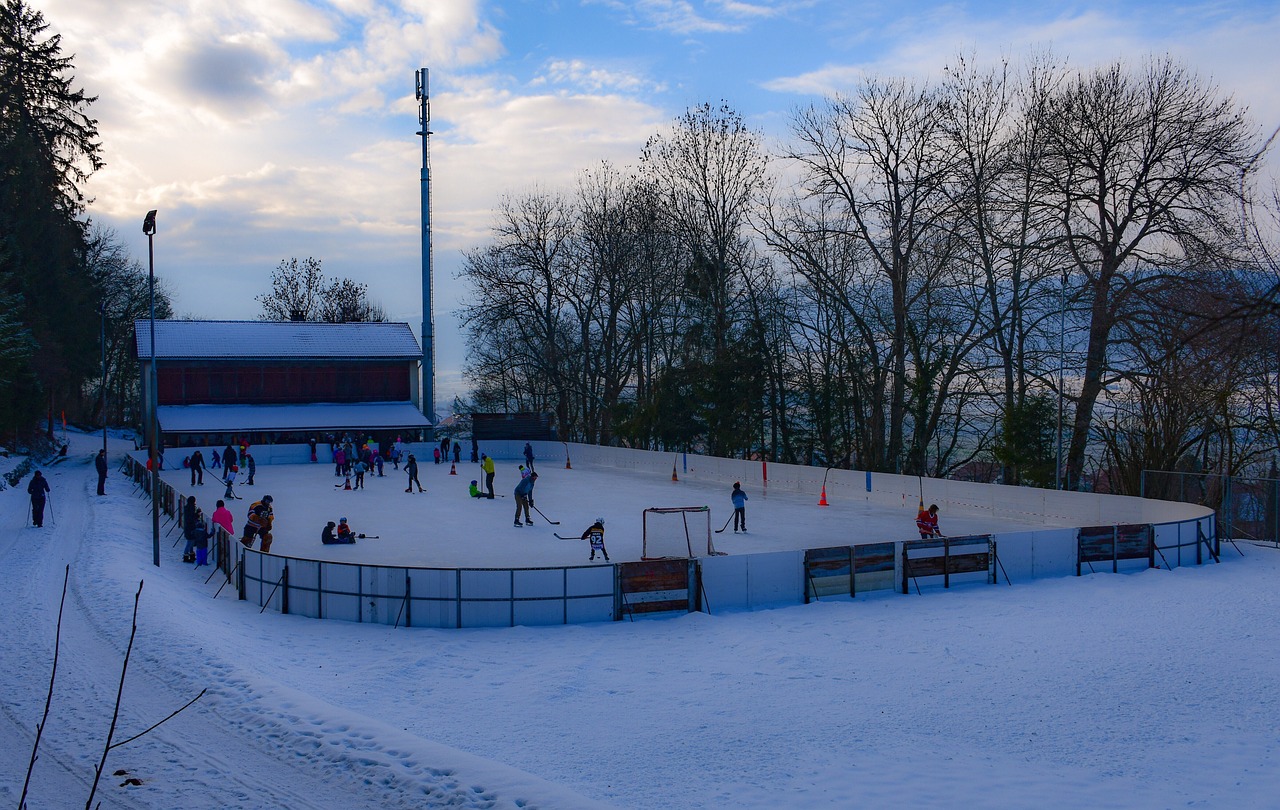
Weather also matters. Western New York winters help hockey feel natural. The sport fits the region’s cold-season identity, even though modern participation still depends heavily on indoor rinks, organized leagues, and affordable ice time. The result is a hockey culture that feels local, regional, and border-connected at the same time.
Youth Hockey and Player Development in Buffalo
Youth hockey in Buffalo is supported by the region’s rink network, the Sabres’ visibility, local clubs, school hockey, and Western New York’s long-standing familiarity with the sport. Young players in the area grow up in a city where NHL hockey is visible, where the sport has a strong fan base, and where winter sports feel culturally appropriate.
The local development pathway includes learn-to-play programs, youth associations, travel teams, high school hockey, junior options, and college opportunities in the broader region. Buffalo’s geography also gives players access to competition in nearby parts of New York, Pennsylvania, Ohio, and Ontario. That regional connectivity can help players find stronger competition without being completely removed from the local hockey environment.
The Sabres’ presence matters because professional teams can turn fans into players. Children who grow up watching NHL games in their own city have a clear local image of the sport. Even when the NHL team struggles, its existence keeps hockey visible. That is important for youth participation, local coaching, and long-term development.
Like most hockey markets, Buffalo also faces affordability issues. Equipment, ice time, travel, and tournament costs can make the sport expensive. But compared with newer hockey markets, Buffalo benefits from tradition, climate, and a local fan base that already understands the game.
Famous Hockey Players and Local Hockey Figures from Buffalo
Buffalo’s hockey identity includes both players from the region and players who became important through the Sabres. The city’s most famous hockey figures are often associated with the NHL franchise: Gilbert Perreault, Rick Martin, René Robert, Dominik Hašek, Pat LaFontaine, Alexander Mogilny, Ryan Miller, Daniel Brière, Chris Drury, and many others helped define different eras of Sabres hockey.
The Sabres also have a strong broadcasting and storytelling tradition. Rick Jeanneret, the longtime voice of the Sabres, became one of the most beloved broadcasters in hockey and was honored with the Foster Hewitt Memorial Award by the Hockey Hall of Fame. His calls became part of the emotional soundtrack of Buffalo hockey.
Western New York has also produced players, coaches, and hockey people who connect the city to the wider game. Buffalo’s local hockey figures are not limited to NHL stars. They include youth coaches, college players, officials, broadcasters, minor league contributors, and builders who have helped keep the sport active in the region.
Women’s and Girls’ Hockey in Buffalo
Women’s and girls’ hockey in Buffalo is part of the broader growth of the sport in Western New York. Girls’ programs, school hockey, club hockey, and regional competition give young female players more opportunities than previous generations had. The city’s rink culture and NHL visibility help support that growth.
Buffalo has also hosted major women’s hockey events. KeyBank Center was listed as a venue for a U.S. vs. Canada women’s hockey Rivalry Series game, showing that the city remains a relevant stage for high-level women’s hockey. That matters because women’s hockey visibility can strengthen participation at the youth level.
The Future of Hockey in Buffalo
The future of hockey in Buffalo depends on keeping the sport accessible, sustaining youth participation, and maintaining the Sabres as a strong local institution. Buffalo already has the climate, fan knowledge, border-region identity, and NHL history to remain a serious hockey city. The next stage is about converting loyalty into growth: stronger girls’ programs, affordable youth hockey, continued rink access, and a professional team that gives the city new reasons to believe in its hockey future.



Interested in Sports in Buffalo?
American Football in Buffalo | Baseball in Buffalo | Basketball in Buffalo | Cricket in Buffalo | Football (Soccer) in Buffalo | Rugby in Buffalo