Minor League & Development Hockey
Smaller hockey leagues below the NHL provide opportunities for player development and community connection, sustaining the sport’s depth.
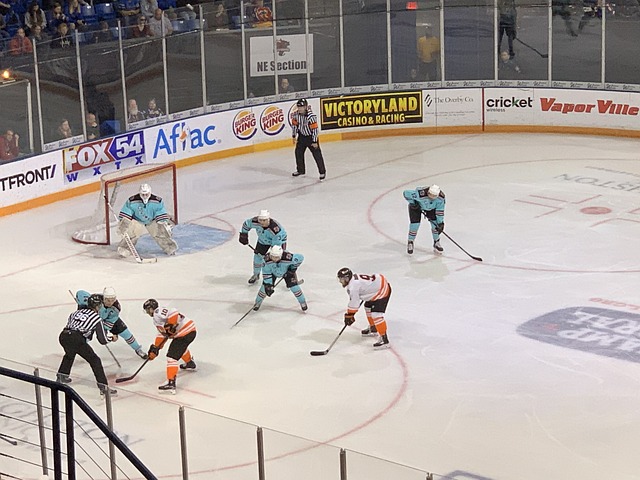
Minor league hockey is one of the most important parts of North American ice hockey. It sits below the NHL, but it is not just a lower version of the same game. It is a development system, a local sports culture, and a professional career path for players, coaches, referees, broadcasters, trainers, and front-office workers.
The American Hockey League is the top minor league in North America. The AHL has operated since 1936 and works as the main development league for NHL organizations. The league says that nearly 90 percent of today’s NHL players are AHL graduates, which shows how important it is to the sport’s professional pipeline. The AHL champion wins the Calder Cup, one of the oldest and most respected trophies in North American hockey.
The AHL is where many prospects learn how to become full-time professionals. A young player may have skill, speed, and draft status, but the AHL tests whether he can handle long travel, physical play, defensive responsibility, and a full professional schedule. It is also a place where older players can earn call-ups, rebuild their careers, or provide leadership for younger teammates.
Below the AHL, the ECHL is another major professional level. The ECHL describes itself as the premier “AA” hockey league and has NHL and AHL affiliate relationships across its team network. Its champion wins the Kelly Cup, which replaced the Riley Cup in 1997 and is named for Patrick J. Kelly, one of the league’s founding figures.
The ECHL is often where goaltenders, late-developing players, and depth prospects get important minutes. A player who is not ready for the AHL may use the ECHL to adjust to the professional game. For many players, the ECHL is also a strong career league, with passionate fan bases in cities that may not have major-league teams.
Other minor leagues also matter. The SPHL, based mainly in the southern United States, plays for the President’s Cup and gives players another route into professional hockey. Its playoff format includes the top eight teams in the standings, with early rounds built around short series.
Minor league hockey is also important because it brings the sport to smaller markets. Cities such as Hershey, Grand Rapids, Toledo, Fort Wayne, Laval, and many others have built strong hockey identities outside the NHL. In these places, minor league teams are not just feeder clubs. They are part of the local calendar, local economy, and local sports memory.
That is why minor league hockey matters. It develops future NHL players, gives professionals a place to keep playing, and keeps hockey connected to communities far beyond the biggest arenas.