Field Hockey
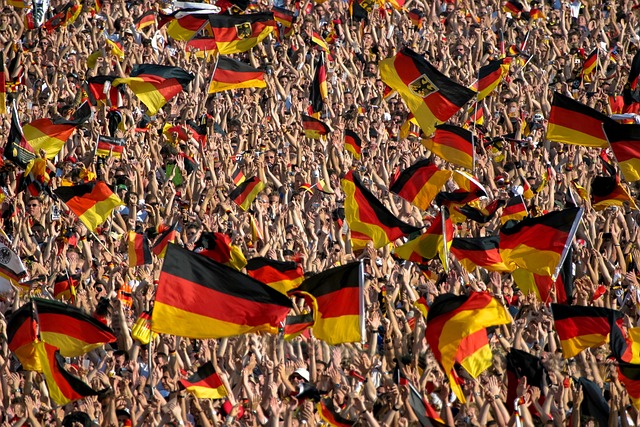
Field hockey unites nations through global tournaments and cultural exchange, showcasing the sport’s diversity and competitive spirit across continents.
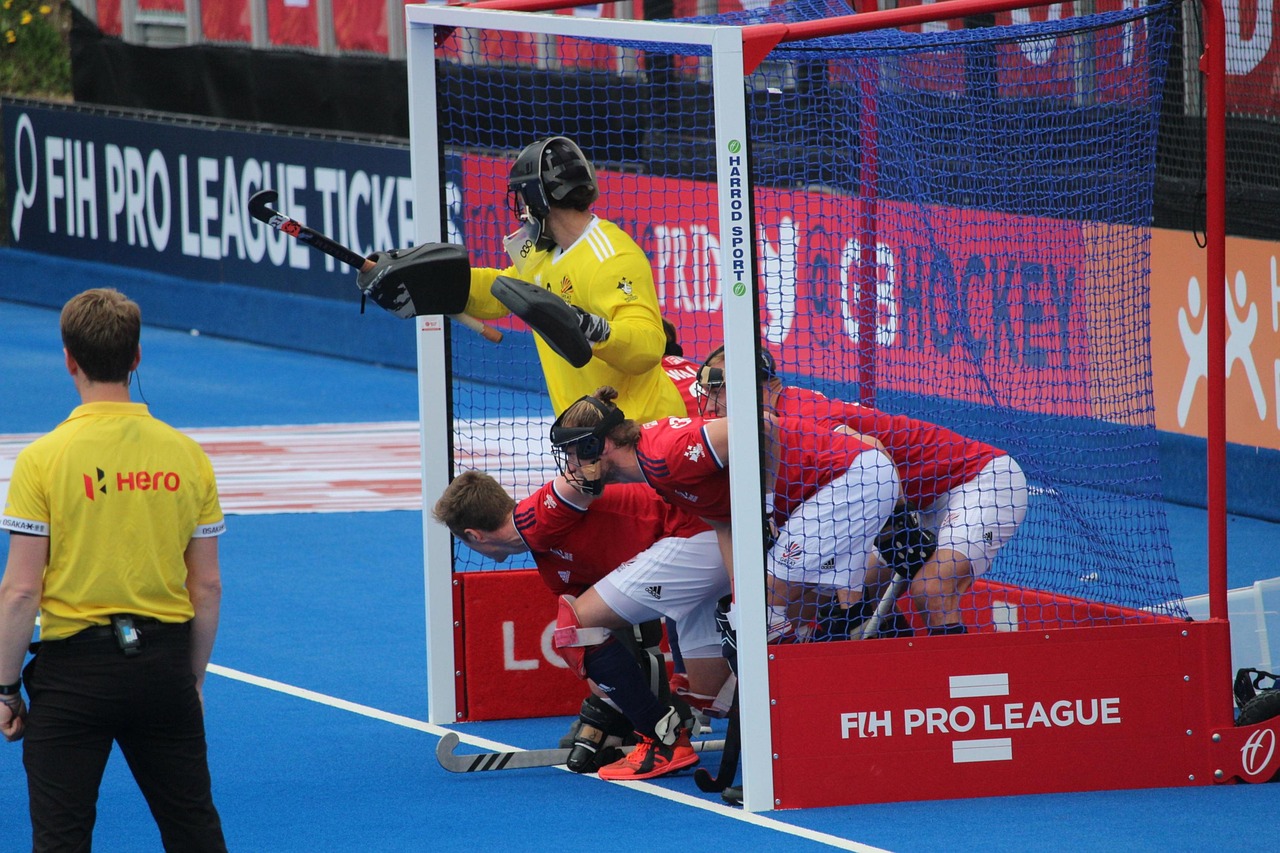
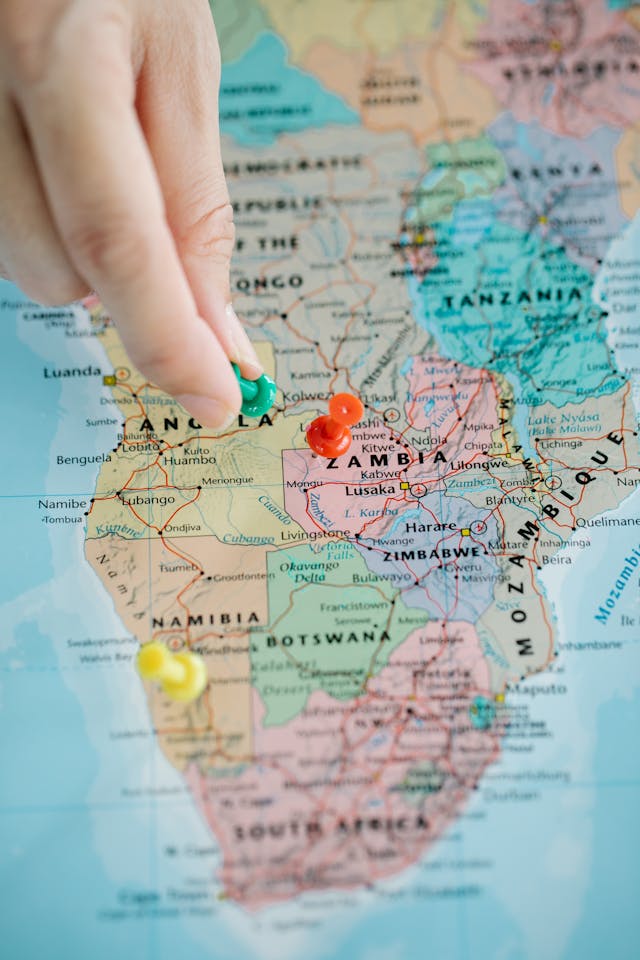
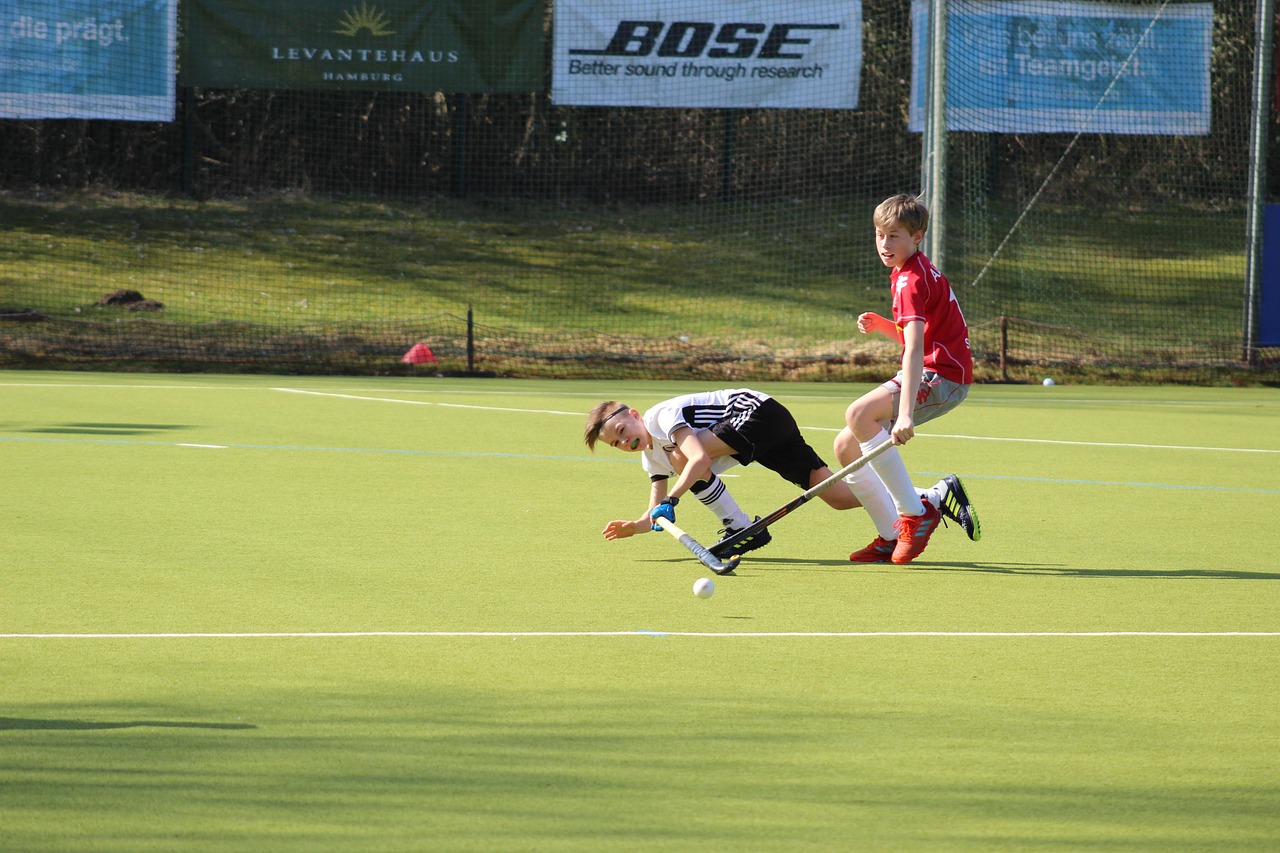
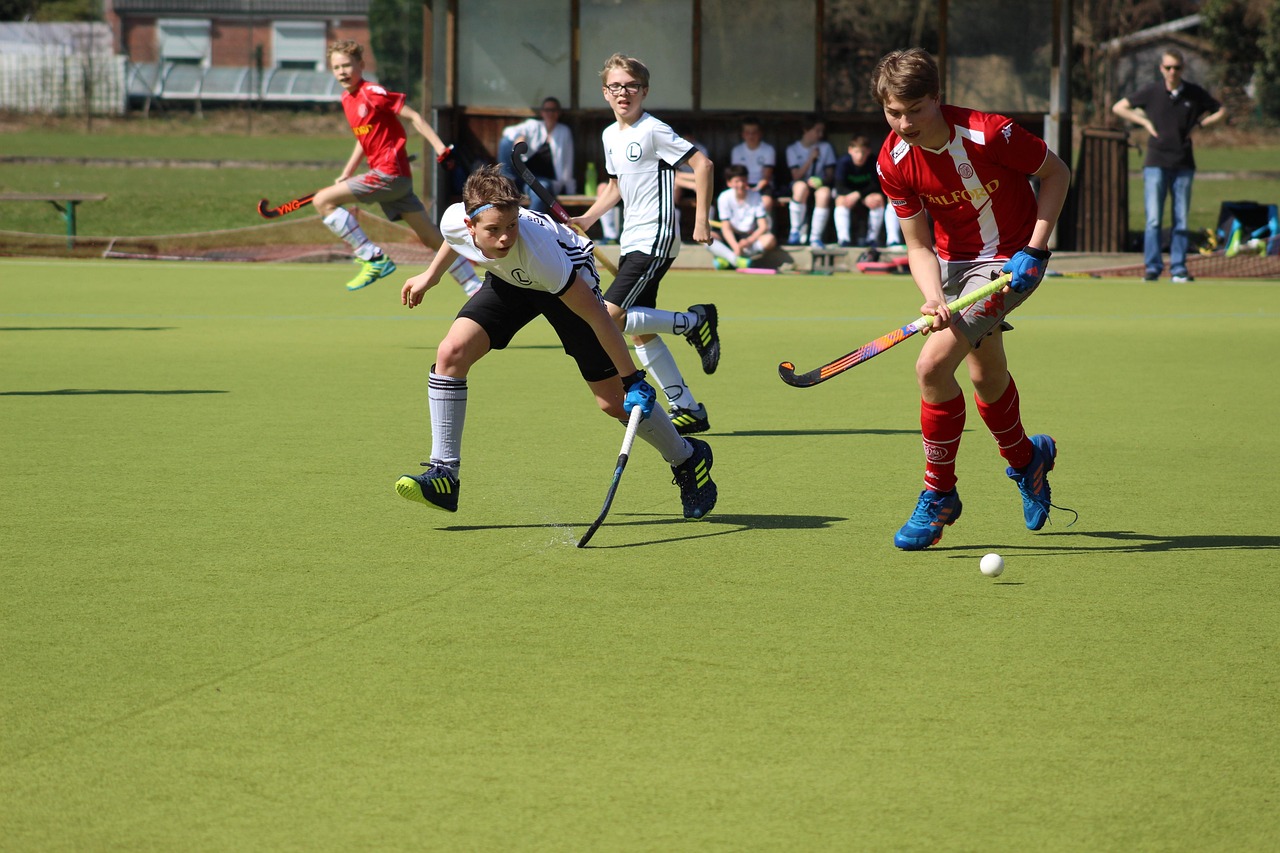
Field hockey is one of the world’s major forms of hockey, but it follows a different map from ice hockey. It is played on turf instead of ice, with players using curved sticks to move a hard ball across the field. The sport is especially important in Europe, South Asia, Oceania, South America, and parts of Africa. It has deep Olympic roots, strong club systems, and a long history in schools, universities, military communities, and national sports programs.
Field hockey became an Olympic sport for men in 1908 and has been a permanent Olympic men’s sport since 1928. Women’s field hockey joined the Olympic program in 1980. That Olympic history matters because the Games remain one of the sport’s biggest stages. Unlike many sports where professional leagues dominate attention, field hockey often reaches its widest global audience through the Olympics, World Cup, continental championships, and international tournaments.
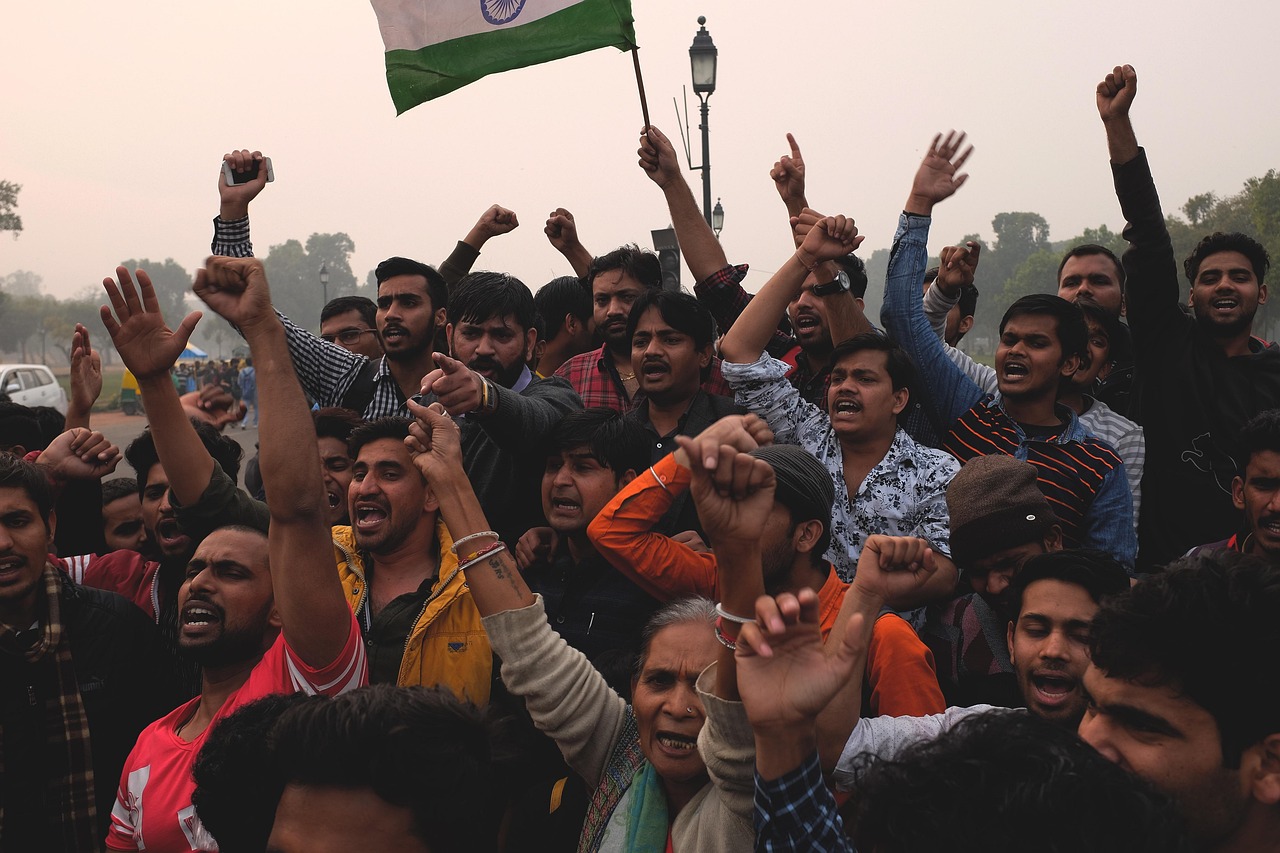
India and Pakistan shaped much of the sport’s early global identity. India won a series of Olympic gold medals in the 20th century and became famous for skillful stickwork, passing, and attacking movement. Pakistan also became a major power, winning Olympic and World Cup titles and helping define South Asian field hockey culture. For decades, the India-Pakistan rivalry was one of the sport’s central stories.
In the modern era, the Netherlands, Germany, Australia, Belgium, Great Britain, Argentina, and Spain have become major forces. The Netherlands has one of the deepest hockey cultures in the world, with strong men’s and women’s club systems. Australia’s Kookaburras have been one of the most consistent men’s teams, while Argentina’s women’s team, Las Leonas, helped make the sport a national point of pride. Belgium’s rise has also been important, showing how investment in coaching and youth development can turn a smaller country into a world champion.
Women’s field hockey is one of the sport’s strongest areas. In many countries, field hockey has a major presence in girls’ schools, universities, and club systems. The Netherlands, Argentina, Australia, Germany, England, India, and China have all played important roles in the women’s game. Olympic competition has helped raise visibility, while professional and semi-professional structures continue to develop.
Field hockey is not as commercially powerful as soccer, basketball, or the NHL side of hockey, but it has a serious global footprint. Its strength comes from national teams, local clubs, school traditions, and international tournaments. It is a sport with old roots, modern speed, and a world map very different from ice hockey.