Women’s Hockey
Women’s hockey unites players through local tournaments and cultural exchange, showcasing the sport’s diversity and competitive spirit.
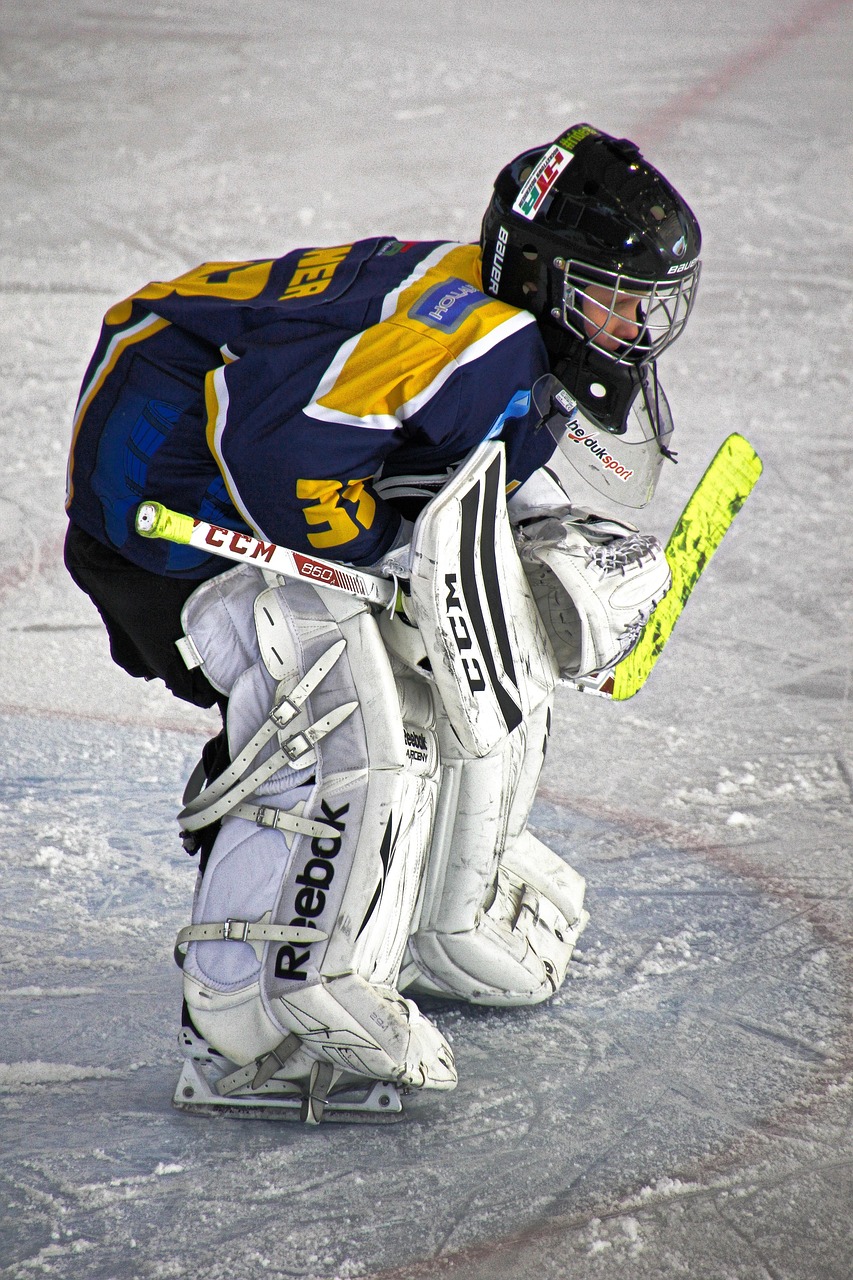
Women’s hockey is not one single story. It includes women’s ice hockey, women’s field hockey, college hockey, professional leagues, Olympic tournaments, and national team programs around the world. These versions of the sport have different histories, but they share a common theme: women’s hockey has grown because players, clubs, schools, and federations kept building the game even when visibility and funding were limited.
Women’s ice hockey became an Olympic sport at the 1998 Winter Olympics in Nagano, Japan. The United States won the first gold medal, with Canada taking silver and Finland winning bronze. Since then, the Olympic tournament has become one of the most important stages in the sport. Canada and the United States have led much of the women’s ice hockey story, but countries such as Finland, Sweden, Switzerland, Czechia, and Japan have helped make the game deeper and more competitive. The IIHF noted that women’s international ice hockey grew from only 120 players in IIHF women’s competition in the 1997–98 season to 73 teams and 1,460 roster spots across senior and under-18 women’s worlds in 2022–23.
College hockey has also been central to women’s ice hockey, especially in the United States. NCAA programs give players a high-level development path before they move into national teams or professional hockey. Schools in the Northeast, Midwest, and other hockey regions have helped produce many Olympic and world championship players. Canada also has university hockey and strong provincial development systems, while European players often grow through club systems before reaching senior national teams.
Professional women’s ice hockey has entered a new phase with the Professional Women’s Hockey League. The PWHL launched on January 1, 2024, with teams in Boston, Minnesota, Montréal, New York, Ottawa, and Toronto, and it quickly set major attendance marks for women’s hockey. Its growth has continued, with the league adding expansion teams as interest in the sport rises across North America.
Women’s field hockey has a separate global map. It is especially strong in countries such as the Netherlands, Argentina, Australia, Germany, India, Great Britain, Belgium, and New Zealand. Women’s field hockey became an Olympic event at the 1980 Summer Olympics in Moscow, where Zimbabwe won the first gold medal.
Together, women’s ice hockey and women’s field hockey show how broad the hockey world really is. One version is built on skates, rinks, and winter sport traditions. The other is played on turf and has deep roots in schools, clubs, and Olympic competition. Both have become important international sports, and both continue to create new opportunities for players, coaches, and fans.