Hockey 101
Hockey 101 introduces the fundamentals of the game—its rules, positions, and strategies—helping newcomers understand the rhythm, tactics, and excitement that define the game on ice.
Hockey is not one single sport. Around the world, the word “hockey” can mean ice hockey, field hockey, roller hockey, or other related games. On this site, the main focus is ice hockey and field hockey. Both sports are fast, tactical, and built around stick skills, teamwork, movement, and scoring goals, but they are played in very different settings.
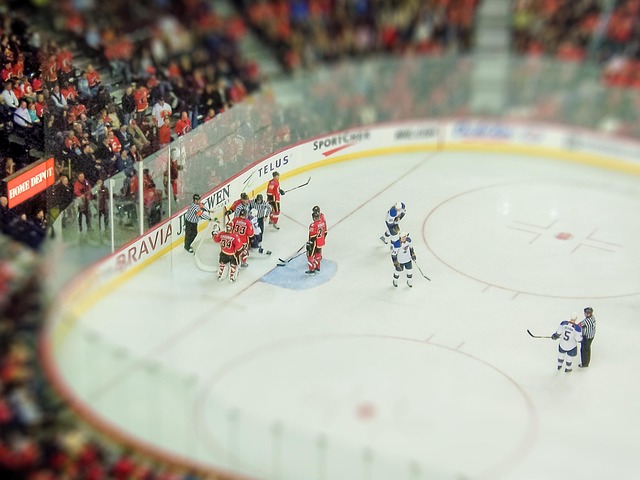
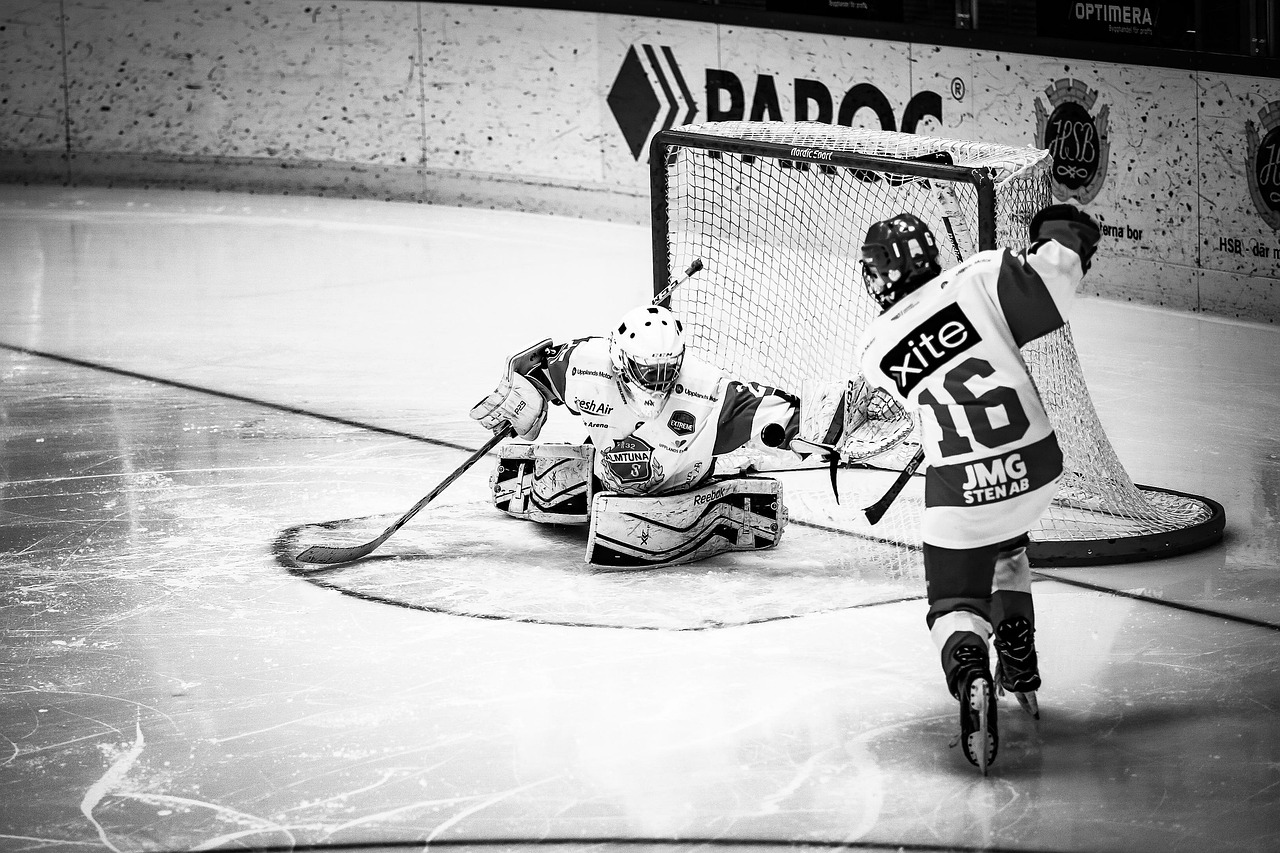
Ice hockey is played on an ice rink with skates, a puck, and boards around the playing surface. A standard team has six players on the ice: three forwards, two defensemen, and one goaltender. The forwards usually lead the attack. The defensemen protect their own zone and help move the puck forward. The goaltender protects the net.
A standard ice hockey game has three periods. In the NHL, each period is 20 minutes, with overtime or a shootout used in many regular-season games if the score is tied. The main goal is simple: put the puck into the other team’s net. But the game is shaped by skating speed, body positioning, line changes, power plays, penalty killing, faceoffs, and goaltending.
Ice hockey penalties are a major part of the sport. Common penalties include tripping, hooking, slashing, interference, and high-sticking. When a player is sent to the penalty box, the other team usually gets a power play, meaning it has more skaters on the ice. Strong power-play units can change a game quickly, while strong penalty-killing teams can survive difficult moments.
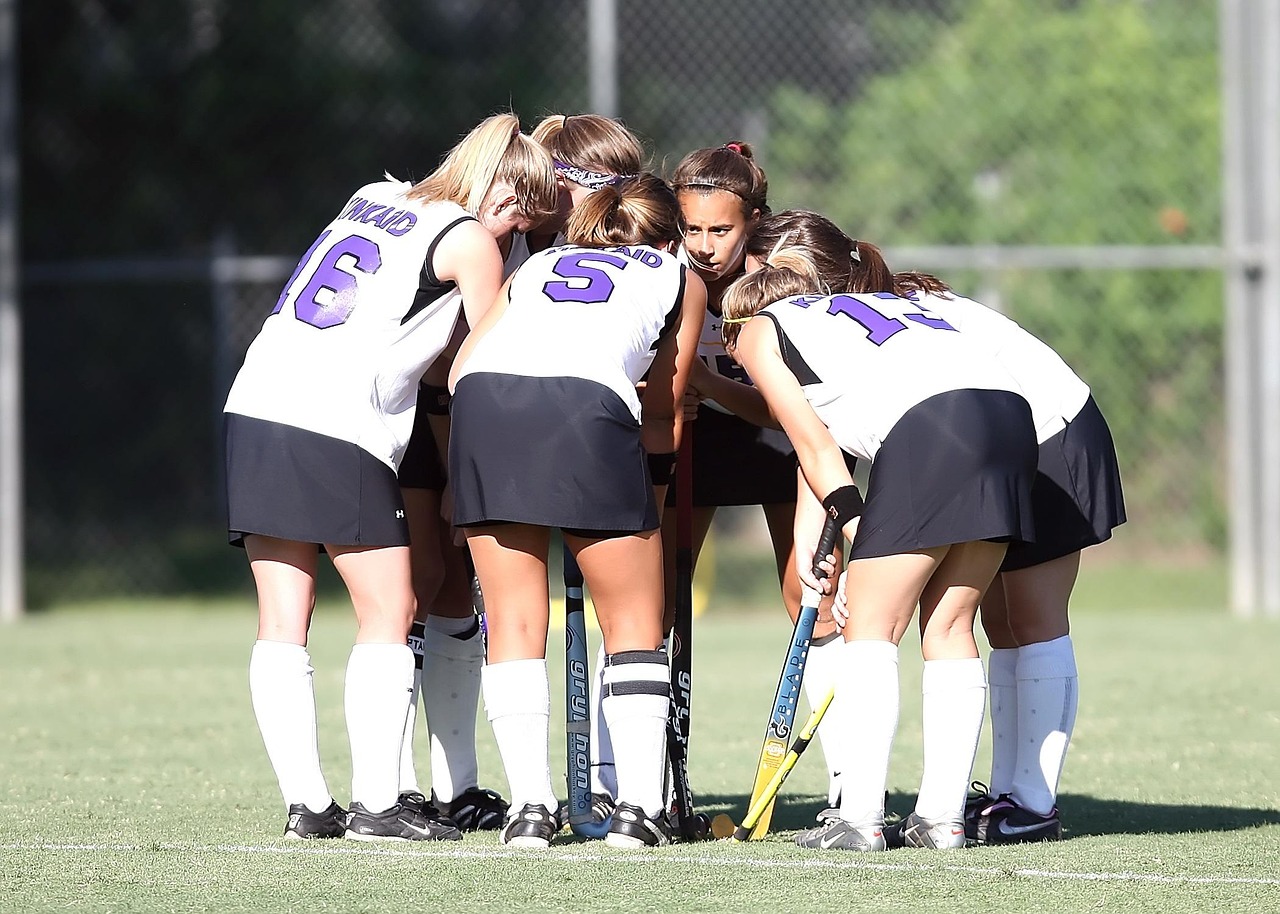
Field hockey is played on turf with a small hard ball and curved sticks. It is one of the major Olympic team sports and has deep traditions in countries such as India, Pakistan, the Netherlands, Germany, Australia, Argentina, Belgium, and Great Britain. Unlike ice hockey, field hockey is usually played outdoors, and players do not wear skates.
A field hockey team has 11 players, including a goalkeeper. The ball must be played with the flat side of the stick, and goals usually must be scored from inside the shooting circle. This makes positioning very important. Teams try to create space, win penalty corners, move the ball quickly, and break through organized defenses.
Women’s hockey is important in both versions of the sport. Women’s ice hockey has grown through Olympic competition, college hockey, national teams, and professional leagues. Women’s field hockey has a long international history and is one of the most competitive parts of the global field hockey calendar.
Together, ice hockey and field hockey show why hockey is a worldwide sport. Whether played on ice in Canada, Finland, Sweden, and the United States, or on turf in India, the Netherlands, Australia, and Argentina, hockey rewards speed, skill, discipline, and teamwork.